


Although the risk of colon cancer is almost equal for men and women, American men are more likely to be diagnosed later, and therefore die from the disease. Additionally, recent data shows that rates of colon cancer are on the rise among younger Americans.
The good news is that colon cancer is highly treatable when caught early, and newer technology can be used to detect and prevent it before it even gets started.
However, it begins with being proactive about colon health.
“I think there’s a social aspect to this disease where men aren’t willing to seek care until it becomes a big problem,” said Dr. David Lee gastroenterologist and director of Advanced Endoscopy at Baylor Scott & White Medical Center – Frisco at PGA Parkway.
Dr. Lee explained why early detection is key.
“All colon cancers start from a polyp, which is a catch-all term for a number of different growths that happen in the colon,” he said.
The best way to find and remove polyps before they become cancerous is by getting a colonoscopy.

Stopping cancer before it starts
In 2021, the U.S. Preventive Services Task Force lowered the recommended age for an initial screening colonoscopy from 50 to 45 for adults at average risk. Meanwhile, colonoscopy has evolved considerably over the past couple of decades, becoming more comfortable for patients and more clinically effective.
“With the high-definition colonoscopes we use, we’re able to see polyps down to 2-3 millimeters when they’re years away from turning into anything dangerous,” Dr. Lee said.
He added that artificial intelligence and newer blue-light imaging have significantly enhanced the ability to catch very subtle polyps and flat polyps that may have previously been overlooked.
The bowel preparation prior to getting a colonoscopy, which many consider to be the worst part of the procedure, has also changed. The volume of liquid prep has decreased dramatically, and many patients can take tablets as preparation instead.
Thanks to enhancements in anesthesia, recovery after the procedure is now measured in minutes, not hours.
Taking surgery out of the equation
The ability to remove polyps during a colonoscopy has long been one of the greatest benefits of the procedure. However, until recently, certain polyps couldn’t be removed during the procedure due to their size.
Today, gastroenterologists with advanced training can use techniques such as endoscopic mucosal resection and endoscopic submucosal dissection to remove even advanced polyps in the colon without surgery.
“We’re able to safely remove large polyps and even some early-stage colon cancers without the need to surgically resect segments of the colon itself,” Dr. Lee said.
Finding the right specialist
Men trying to find the right gastroenterologist to perform a colonoscopy can ask their trusted primary care provider for multiple recommendations.
When reaching out to schedule with the gastroenterologist’s office, ask about their adenoma detection rate, which is a metric used to measure how effective they are at detecting polyps.
“You want a GI who has a high adenoma detection rate,” Dr. Lee said.
The recommended minimum adenoma detection rate is 20% for women and 30% for men.
Patients should also ask if the procedure will be performed using high-definition equipment and any enhanced technologies, such as blue-light or narrow-band imaging.
Don’t wait
In addition to following recommended screening guidelines, Dr. Lee urges men to act when symptoms occur. Whether it’s blood in the stool, a change in bowel habits or unexplained weight loss, they should get it evaluated by a gastroenterologist.
He stresses that most of the time, there’s another explanation besides cancer, but knowledge is power.
“Don’t panic,” Dr. Lee said. “But it’s definitely worth getting checked out.”
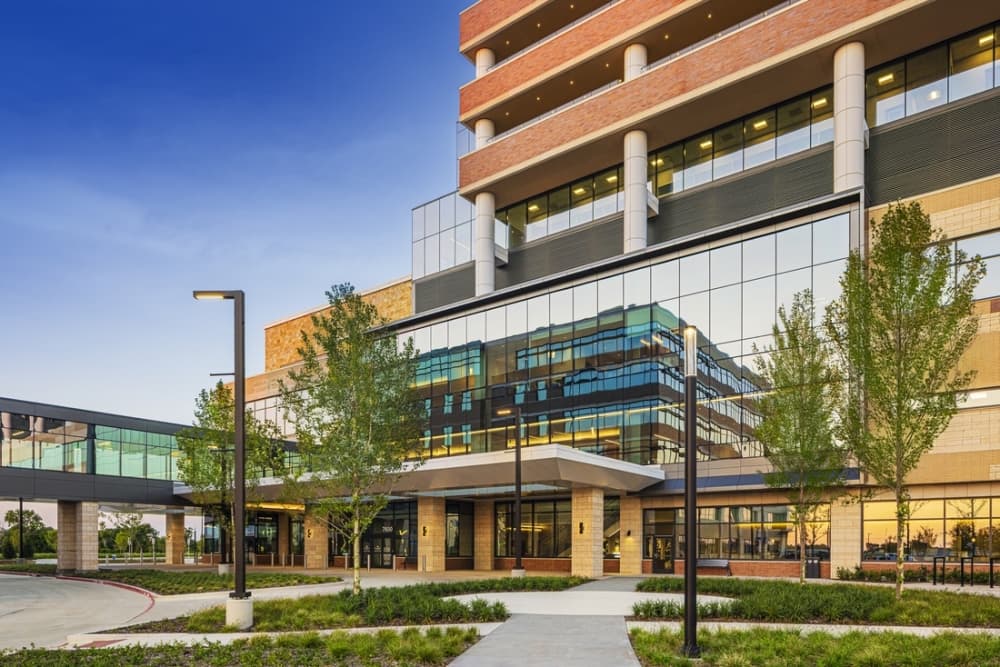
Click here to find a GI specialist at Baylor Scott & White Medical Center – Frisco at PGA Parkway today.
Physicians provide clinical services as members of the medical staff at one of Baylor Scott & White Health’s subsidiary, community or affiliated medical centers and do not provide clinical services as employees or agents of Baylor Scott & White Health or those medical centers.
The above story was produced by the Baylor Scott & White Medical Center – Frisco at PGA Parkway team with Community Impact's Storytelling team, using information solely provided by the local business as part of their "sponsored content" purchase through our advertising team.