Austin leaders are moving to adopt new policies for the use of surveillance technologies in response to concerns about such systems, including a proposed $2 million parks security contract.
“In this era of new technology, artificial intelligence, big data and widespread surveillance, we need to build strong internal systems—especially in the procurement process—to truly understand what we are buying as a city and how it impacts our constituents," council member Mike Siegel said.
The setup
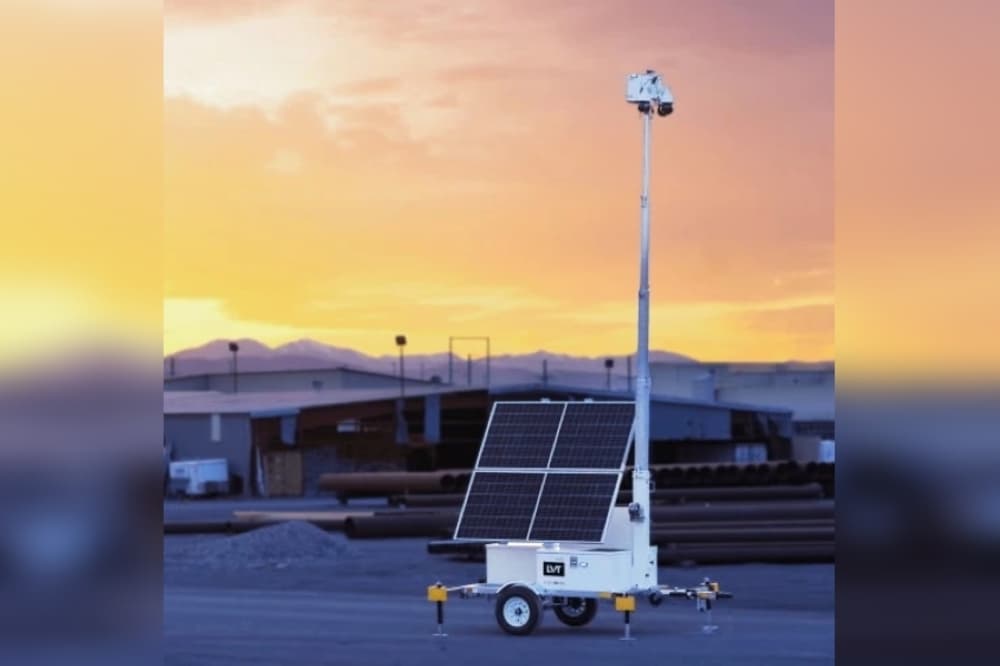
Austin Parks and Recreation previously placed security trailers on public parkland as part of a crime-deterrence pilot program launched in 2023. The $140,000 initiative resulted in a decrease in crime in public spaces citywide, the parks department reported.
A majority of targeted parks saw criminal activity drop once cameras were in place, according to the department. Vehicle break-ins declined by more than 70% from 2022-25; around Mount Bonnell, where a surge of break-ins was reported, annual car burglaries alone fell from 373 to 144 after camera deployment.
To build on that program, the city solicited for further mobile surveillance equipment last year. Utah-based LiveView Technologies, or LVT, was selected to lease 10 security trailers through a contract up for City Council authorization last summer. However, that item was withdrawn from consideration after some public pushback and it remained on hold until early this year. Council members will now take up the contract Feb. 5, although it's still facing opposition.
Several Austinites testified against the LVT trailers at council's work session Feb. 3, and local advocate groups were scheduled to rally against the surveillance tool in the evening. The resident-led Parks and Recreation Board also voted against recommending the contract's approval Feb. 2.
In response to concerns about the LVT contract—and following previous debates over privacy and data collection related to police license plate readers—council is also poised to pass a new civic surveillance technology use policy from Mayor Pro Tem Chito Vela.
“I don't want to reject outright the use of surveillance technology. Clearly, it can be very useful and helpful in deterring crime," Vela said in an interview. "But we have to minimize any privacy concerns and put safeguards and protections in whenever we do turn to these kinds of technologies.”
The framework
Vela said his Transparent and Responsible Use of Surveillance Technology, or TRUST, Act was inspired by similar guidelines being used in Seattle and Santa Clara County, California. The act calls for a new city ordinance to be drafted by late next month that'll require:
- City Council approval for any new surveillance technology funding, acquisitions and third-party agreements
- The public release of use policies for any such programs at least 2 weeks before council consideration, and those policies' inclusion in final contracts
- A ban on the use of facial recognition technology, data collection for marketing purposes, and any artificial intelligence tools conflicting with city guidelines
- Investigations and enforcement of policy violations, and protections for city employees submitting complaints
- Annual reporting on surveillance tools used by Austin
Vela said he's not aware of any technology already used by the city that violates TRUST provisions. He also said the preventative measure, including its two-week notice requirement he likened to fiscal impact statements used by state lawmakers, would help avoid added controversy around issues like the new security trailers and license plate readers.
"When an item is going before council and of none of that homework has been done, and we get a lot of misinformation and misunderstanding, it makes it difficult to have a good, productive conversation around the issue," he said.
Diving in deeper
Council members questioned city staff on aspects of the LVT contract and related data use ahead of their early February vote. The new agreement would initially cost $1.2 million over three years, with options for two annual $400,000 extensions.
Brian Gardner, Austin's interim chief information security officer, said some extra features on the parks security trailers would be disabled to adhere with existing city guidance. He also reported that a technology use policy in line with those called for in the TRUST Act proposal has already been completed, although it's not yet publicly available.
While Parks Director Jesús Aguirre said LVT would be "contractually barred" from accessing, sharing, or using footage from Austin parks, Siegel noted that other staff claims weren't yet reviewed by city lawyers or agreed to by the company. Amanda Ross, a parks department division manager for natural resources, said negotiations are ongoing and the city wouldn't sign a contract without those standards in place.
If the rental trailers are approved, Ross also said they'll mainly be used in parking lots that were found to be the most effective placement through the recent pilot program.
What they're saying
Aside from questions about the technologies themselves, residents and officials said city data must be protected from searches by federal agencies or other third parties against local intentions. Making sure Austin's information is secure in all physical and cloud-based storage formats it uses remains a "critical question" for the city to solve, Vela said.
Siegel said the city's procurement process for the LVT cameras may not have met officials' or community members' expectations. He and others on the council dais also stated their belief in ongoing violations by U.S. Immigration and Customs Enforcement as a top concern related to emerging tech tools and widening data collection.
"We’ve all seen what’s happening with ICE, the way they’re tapping into our private and public surveillance systems," Siegel said. "It’s more important than ever that we carefully consider all the facts before voting on a contract with a private vendor for AI-powered surveillance technology that could run the risk of violating our residents’ civil liberties.”
Council member Vanessa Fuentes also said she'd be uncomfortable advancing the LVT contract given unknowns about data use and security, and federal "disregard for local laws and policies."
"That gives me tremendous amount of concern about having this type of safety tool at this time," she said.
Other officials acknowledged those worries, but said Austin's security needs are pressing enough to move forward with the new surveillance contract.
While stating the federal government is "trampling on civil liberties," council member Ryan Alter said the city should find ways to respond to crime in local parks that has risen to unacceptable levels. And council member Paige Ellis said she worries about residents being targeted by agencies like ICE if their information is improperly shared. As representative for Southwest Austin, including part of Zilker Park, she also said that the area has experienced a string of crimes from vandalism to murder that must be curbed using tools like the LVT trailers.
“Our park spaces cannot be a free-for-all for crime," she said.