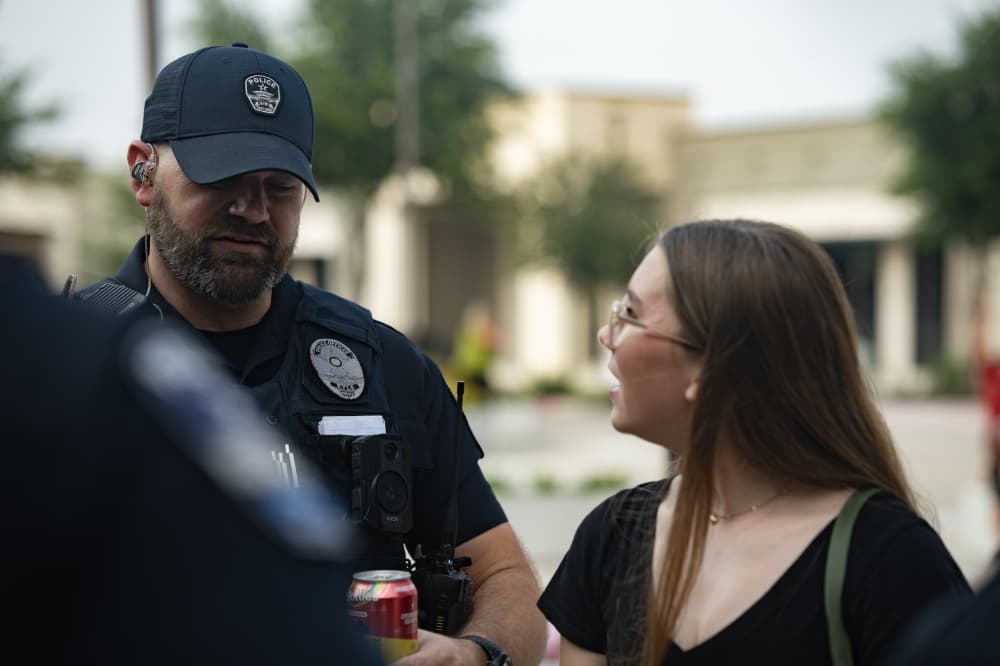
Area across Central Texas, including Hays, Travis and Williamson counties, are adapting to growing mental health needs by embedding mental health officers and crisis intervention teams within their police departments.
The National Alliance on Mental Illness, or NAMI, revealed that more than half of Texas adults with a mental health condition did not receive treatment in 2020. Mental health leaders said that although legislation has since improved access, significant gaps remain.
Across the region, Crisis Intervention Teams, or CIT, and mental health units are being embedded in police departments. Some counties are also expanding psychiatric services within jails to help bridge gaps in Texas' mental health system.
The specifics
Mental health organizations across Central Texas agree on the main barriers to care: affordability, a shortage of providers and health care workers, insurance issues, lack of nearby locations, and long waitlists.
“Texas consistently ranks near the bottom for mental health care access,” said Setareh Ghaznavi, public relations and marketing communications manager at NAMI Central Texas. “According to the Texas Department of State Health Services, 97% of Texas counties are designated as mental health professional shortage areas—that’s 246 out of 254 counties.”
Alison Boleware, director of policy for the Hogg Foundation for Mental Health, said Texas’ rapid population growth has worsened these issues. Many residents struggle to find providers who are available or accept their insurance. While recent state legislation has increased mental health funding, Boleware said inflation and rising demand have limited its impact.
“For the public mental health system that serves uninsured or underinsured individuals, long waitlists, limited access and a lack of available locations are common,” Boleware said. “For people already facing socioeconomic barriers, accessing care can be even more difficult—especially when trying to find a provider who can serve them.”
To help fill these gaps, Crisis Intervention Teams and mental health units in police departments work to divert individuals in crisis from jail to proper care. These teams often respond when someone has been unable to access services before reaching a crisis point. Though not a long-term solution, they are essential tools for Texas communities, according to NAMI leaders.
One in four people with a serious mental illness has been arrested by police, and about two in five adults in jail or prison have a history of mental illness, according to NAMI.
“We're big believers in mental health officers and crisis intervention teams ... in an ideal world, law enforcement officers would not be on the front lines of mental health crises,” said Greg Hansch, executive director of NAMI Texas. “But there are such gaps in the mental health system that it's important law enforcement officers continue to be highly trained—and that there be specialized officers who are singularly focused on responding to mental health crises.”
According to the Texas Commission on Law Enforcement, all peace officers are required to complete de-escalation and crisis intervention training, while officers assigned to mental health roles often receive additional certification through a 40-hour mental health officer course and department-specific field training.