The Eanes ISD board of trustees is still considering a potential new policy governing out-of-district transfer students.
Two new policy models were presented during the Nov. 17 board meeting, but were ultimately voted down as the trustees seek a new policy that would prevent students to transfer from outside of the district.
The board is expected to review and vote on a new policy that builds on the existing transfer policy at its next two meetings in December.
Some context
The board last discussed a new policy at its Oct. 20 meeting. Chief Academic Officer Kimberly Dewrell said the administration has been working through scenarios examining how transfer students impact finances, student enrollment, staffing, campuses and programs.
Transfer students make up about 12% of EISD's enrollment. The district currently enrolls 614 out-of-district transfer students and 272 students who are children of employees.
Four potential models were presented:
Charging tuition for transfer students
Capping transfer students to 7% at each grade level
Fully eliminating transfer students
Phasing out transfer students over a period of several years
EISD's current out-of-district transfer policy states transfer students are accepted annually based on seat availability; are evaluated on attendance, academic performance and disciplinary history; and are subject to review at any time.
The update
Two new models were presented to the board:
Phase-out model: this model would discontinue new, non-employee out-of-district transfers by establishing grade-level based exit timelines. Transfer students entering grades 6-12 would be permitted to continue through graduation.
Tighten-up model: rather than eliminating transfers entirely, this model would restrict new, non-employee out-of-district elementary transfers based on certain parameters while allowing currently enrolled transfer students to continue through graduation.
Administration also proposed an "elementary trial period," referred to as the "cohort and transition caps at elementary" in district documents. This would phase out secondary transfer students and cap elementary transfer students.
The action taken
The board unanimously voted against both the phase-out model and tighten-up model. There was also a 4-3 vote against the elementary trial period, with trustees Catherine Walker, Jennifer Blackman and Kate Ivers voting in favor of it.
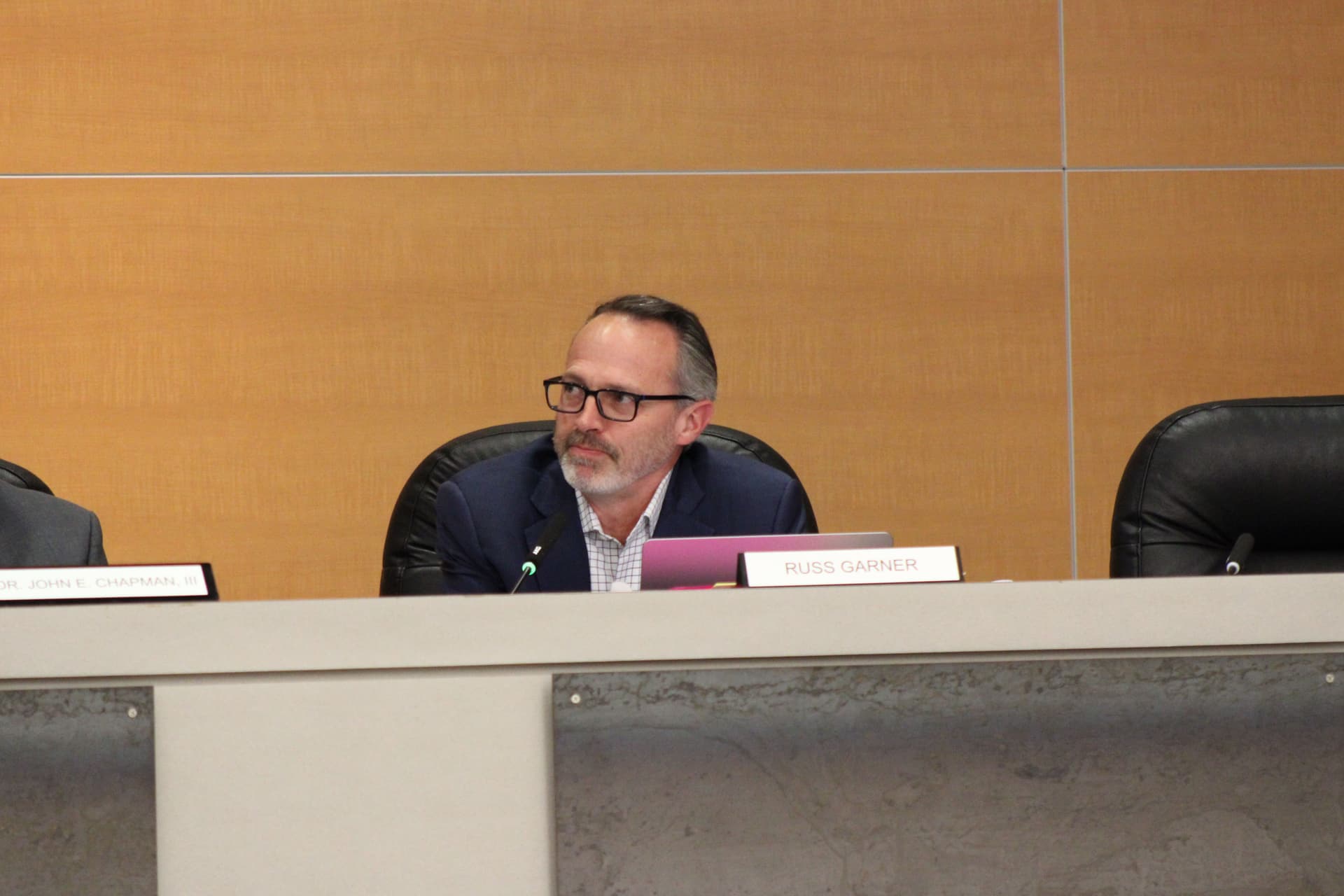
Trustee James Spradley said he has been working with general counsel Audrey Shakra Hipp to write a new transfer policy, which he said builds on EISD's existing policy to keep the transfer student revenue stream while "adding accountability."
Some of the policy guardrails include:
Placing students where they fit within class size targets, are financially positive, and do not cause harm to instruction or support services
Reinforcing that transfer students are not guaranteed a seat each year, and will be evaluated annually
Enforcing an application fee for new and returning students
Preventing student recruiting for athletics or other UIL activities
"Right now we have fewer than 7,000 in-district resident students and I think that's generous," Spradley said. "Transfers help fill those empty seats. They keep us on a sound financial footing. ... A bond could rebuild our schools. ... How can a community trust this board with hundreds of millions of dollars if we're turning away revenue?"
What's next
The board is expected to hold a first reading of the proposed policy at a special meeting Dec. 1, with a potential vote at its regular Dec. 8 meeting.