Editor's note: This article was updated twice after its initial publication to correct discrepancies in the tax rate and provide more context on the budget process, the de minimis tax rate and whether residents can petition to change the adopted tax rate.
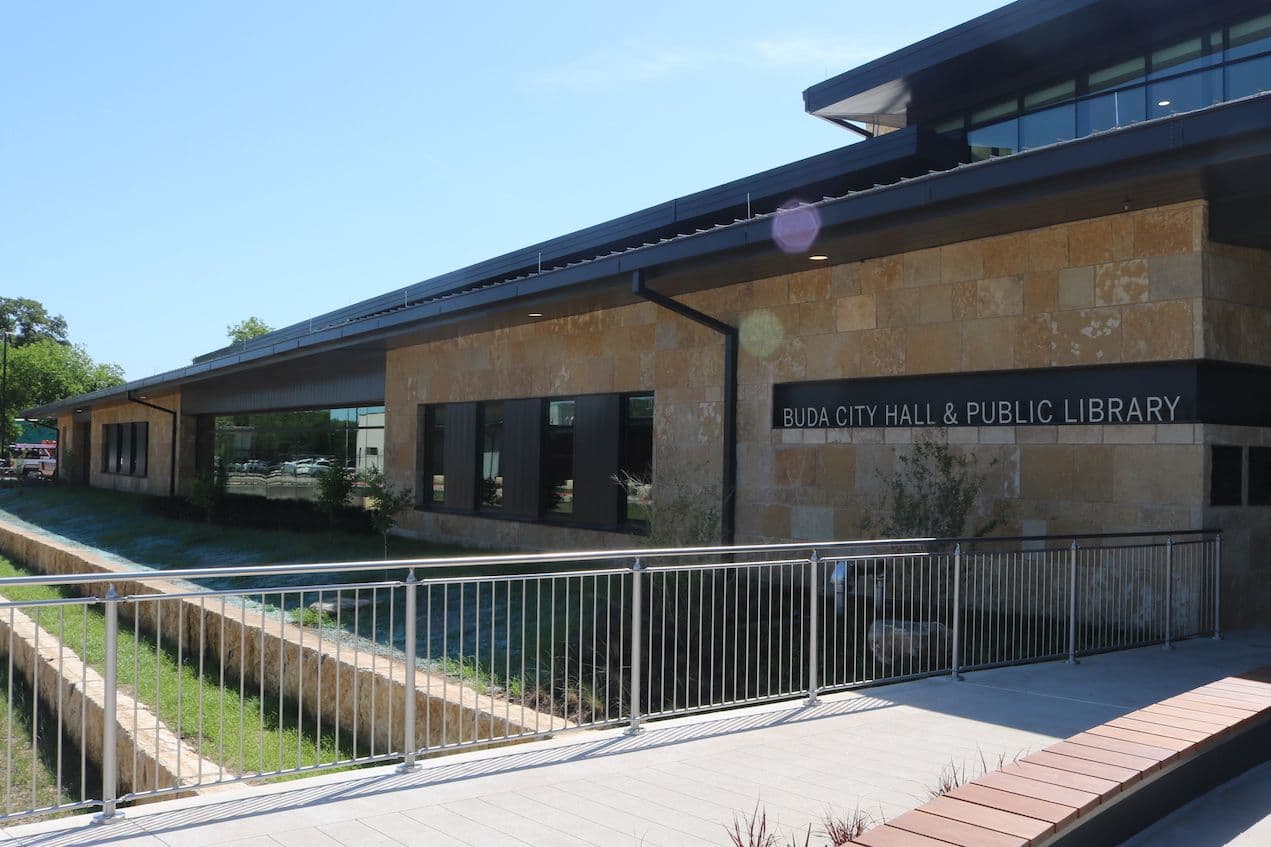
During a Sept. 15 meeting, the Buda City Council adopted its fiscal year 2026-27 budget, raising the tax rate and expected property tax payments for an average home.
The gist
The approved $57.28 million budget continues city investment in areas including public safety, water supply and infrastructure, streets, parks and operations, according to a city of Buda news release.
This is a decrease of approximately $22.3 million, or 28%, from FY 2025-26's $79.61 million budget, according to city officials.
Through the budget planning process, City Manager Micah Grau cut $3.7 million in departmental requests to reduce the tax and fee burden on community members, according to the release.
“The council is very mindful about balancing the financial impact to its residents while still investing in the future of the community,” Grau said in the release. “This is the reason that Buda has one of the lowest municipal tax rates in Texas.”
Diving deeper
The council approved a property tax rate of $0.3895 per $100 of taxable value, a $0.0319 per $100 increase from FY 2025-26. A homeowner with a median taxable value of $383,550 will pay $8.03 per month more than in the previous year, according to the release.
The tax rate increase was driven by a decline in assessed taxable property values and the city’s rising debt service obligations related to capital investments, such as the voter-approved 2021 General Obligation Bonds, according to the release.
The bonds, totaling $89.9 million, fund the construction of transportation and park improvements throughout the city. Buda borrows the money as needed to complete projects.
“We recognize the financial hardship facing families with the rising costs of fuel, groceries and inflation,” said Mayor Lee Urbanovsky in the release. “We know asking our residents to contribute more is a significant responsibility, and the budget provides our community with transparency about why it is necessary, how those dollars will be used and the value they will bring to Buda.”
A closer look
The adopted tax rate of $0.3895 per $100 of taxable value was higher than both the no-new-revenue tax rate, $0.3597 per $100 of taxable value and the voter-approval tax rate, $0.3850 per $100, but lower than the de minimis rate of $0.3970 per $100, according to agenda documents.
The de minimis rate is a tax rate calculation designed to give smaller taxing units, including cities with a population of less than 30,000, some flexibility to budget for extraordinary costs that may not be possible under the voter-approval tax rate. The de minimis rate is equal to the sum of the no-new-revenue maintenance and operations rate, the rate necessary to generate an additional $500,000 in M&O revenue and the current debt rate for the city, according to the Texas Comptroller's website.
As of July 2025, the city of Buda has an estimated population of 16,166 residents, according to the U.S. Census Bureau, allowing the city to be considered a smaller taxing unit.
Because Buda has a population under 30,000, state law provides an additional threshold for determining whether voters may petition for a tax-rate election. The City's adopted rate does not exceed that threshold, so the adopted rate does not qualify for a petition election under Texas Tax Code Section 26.075, according to city officials.