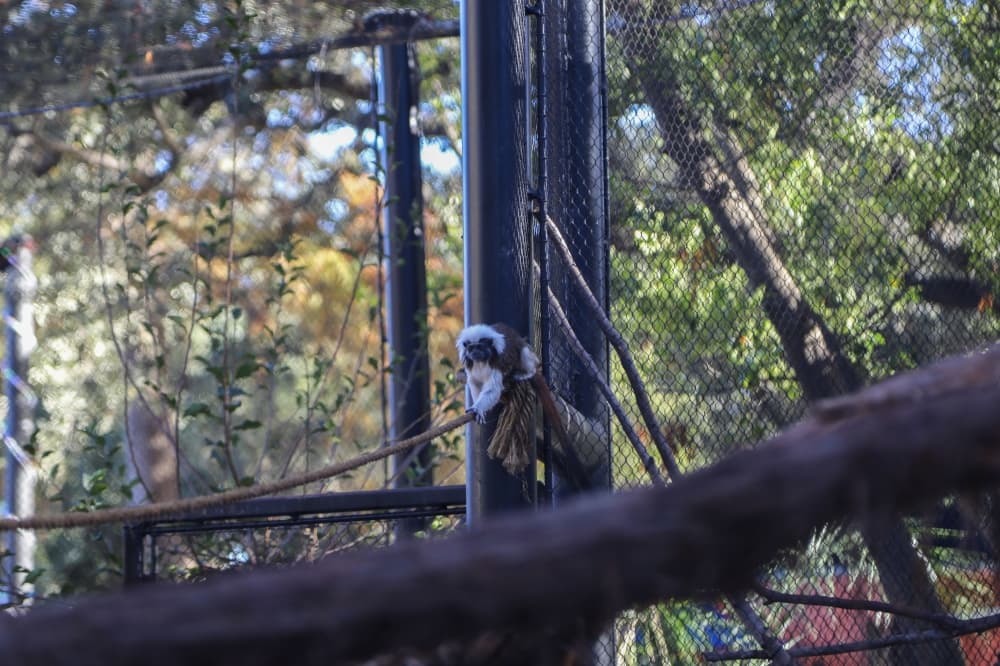
The cotton-topped Tamarin is one of the world's smallest primates. (Courtesy San Antonio Zoo)
The San Antonio Zoo opened a new open-air Tamarin Habitat, marking the final decommission of its last traditional primate cage.
The details
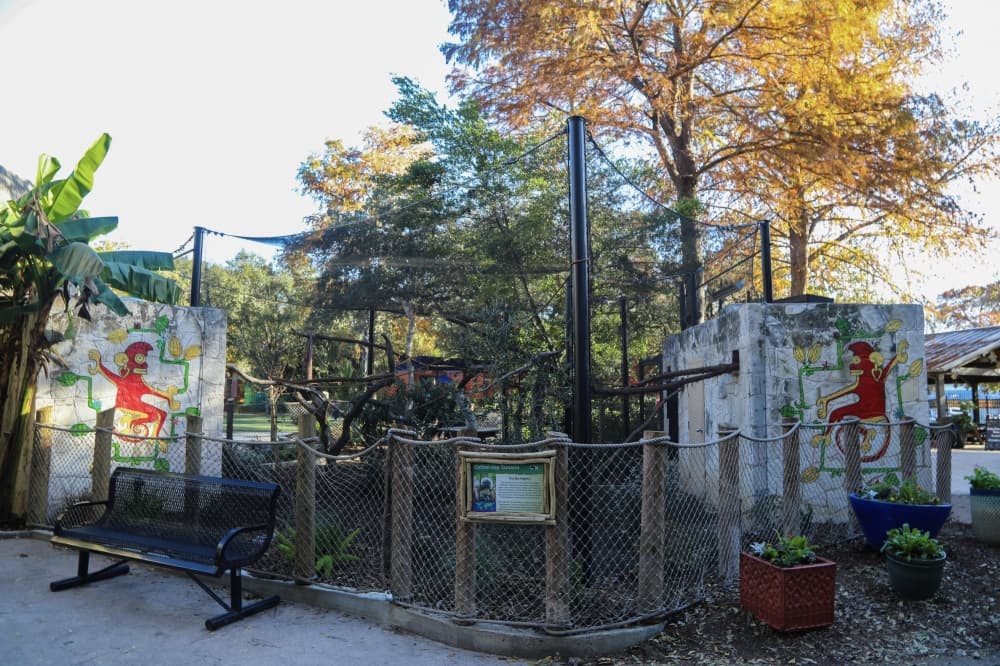
The new Tamarin Habitat, which is home to four female and one male cotton-top tamarins, is over 180% larger than the previous habitat. Located in the Neotropica realm of the Zoo, the new habitat provides a lush landscape and dynamic perching areas, according to a news release,
The new tamarin enclosure is over 180% larger and will house five tamarins. (Courtesy San Antonio Zoo)
The cotton-top tamarin is one of the world’s smallest primates, and due primarily to habitat loss and deforestation, is one of the most endangered, with fewer than 6,000 estimated to remain in the wild, the news release states.
“Providing the animals in our care with enriching, natural habitats is at the heart of everything we do,” said Tim Morrow, president and CEO of San Antonio Zoo. “With this new tamarin space, we’re not only improving the habitat for the cotton-top tamarins but continuing our focus on animal wellbeing, habitat design innovation, and modernization.”
Additionally, the new habitat marks the San Antonio Zoo’s transition to a cageless facility for all of its primates. This transition has been ongoing since 2018, when the zoo closed its historic Monkey House in order to create larger, more innovative habitats.
“When we closed the Monkey House in 2018, it was a bold decision rooted in our commitment to animal care and modern design,” Morrow said. “Today, reaching fully cageless primate habitats reflects years of progress and a deep dedication to giving every animal the best home possible.”
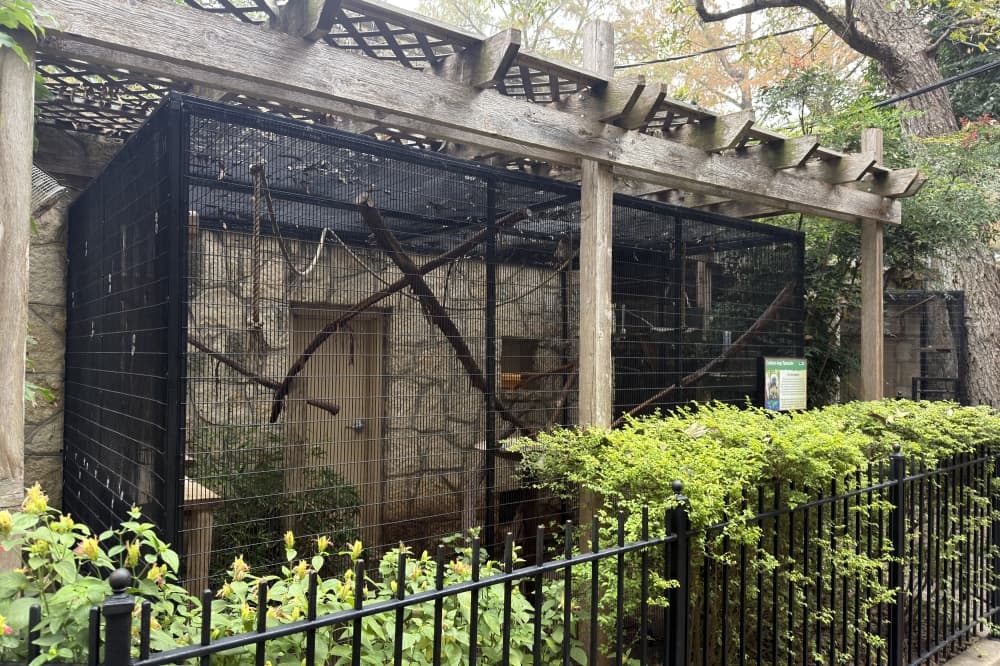
The former enclosure was San Antonio Zoo's last traditional monkey cage. (Courtesy San Antonio Zoo)