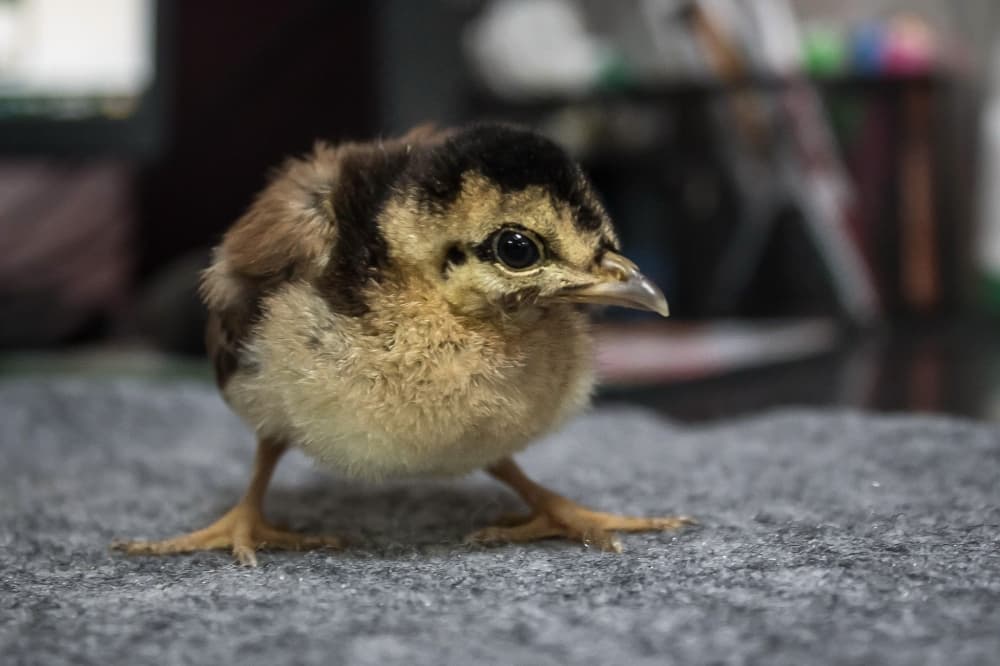
One of the world’s rarest birds, Congo peafowl are smaller than the well-known peacock. (Courtesy San Antonio Zoo)
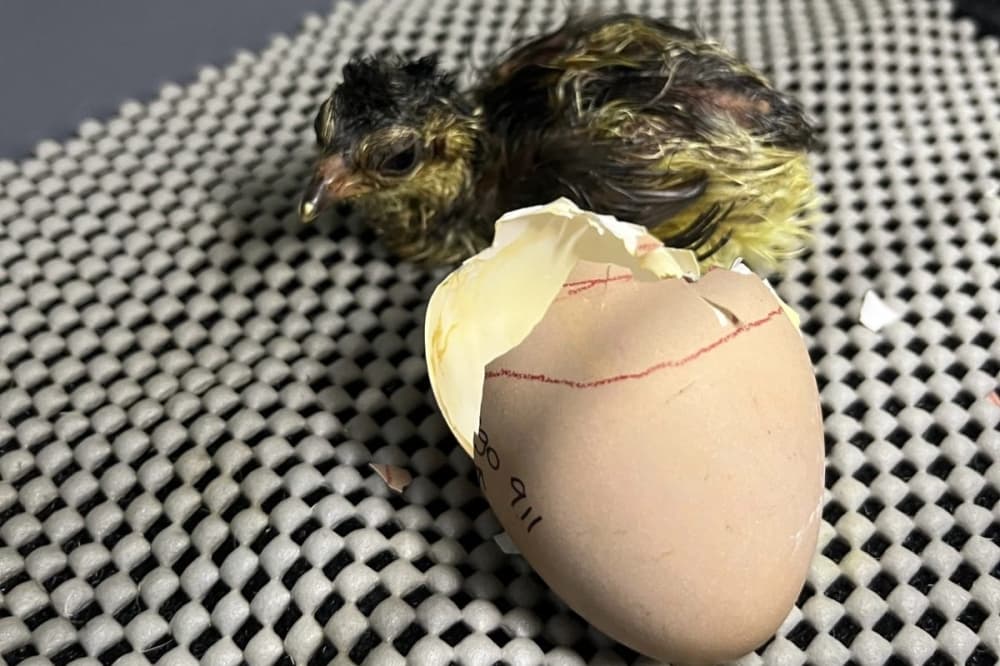
On Feb. 4, the San Antonio Zoo announced the hatching of two Congo peafowl chicks.
The details
According to a news release, the San Antonio Zoo revitalized its Congo peafowl breeding program in 2024. Since its relaunch after nearly a decade-long hiatus, the zoo hatched six chicks in 2024 and eight chicks in 2025, while only five chicks were hatched across all other zoos in the U.S., the news release states.
The newest chicks join several other recently hatched Congo peafowl that are being hand-reared by the Zoo’s Aviculture team in The Nest, which is a specialized facility dedicated to raising young birds, the news release states. Visitors can view the parents in Bird Alley, and guests may be able to view some of the older chicks in the F.C. Hixon Birdhouse.
The San Antonio Zoo hatched six chicks in 2024 and eight chicks in 2025. (Courtesy San Antonio Zoo)
According to the news release, the San Antonio Zoo has cared for Congo peafowl since 1989, and was among the first zoos in the United States to house the species. With the zoo’s first peafowl chick hatching in 1989, the program has hatched 67 chicks in total, making the San Antonio Zoo one of the most successful peafowl breeding programs in the world. Currently, San Antonio Zoo’s breeding and avian care program has cared for 50% of all peafowl nationwide and 25% worldwide.
“These Congo peafowl chicks represent an important step forward for a species that is rarely seen and found only in one part of the world,” said Tim Morrow, president and CEO of San Antonio Zoo, in the news release. “Our team’s dedication to their care and the success of our breeding program reflects San Antonio Zoo’s ongoing commitment to wildlife conservation and ensuring these remarkable birds have a future.”
The background
One of the world’s rarest birds, Congo peafowl are smaller than the well-known peacock, weigh approximately 3 pounds, and are about the size of a chicken, the news release states. Males exhibit a rich violet-blue coloration, while females' coloration is more of a brownish-green. According to the news release, the peafowl are native to lowland rainforests and primarily eat fruit and insects.
Currently listed as "near threatened" by the International Union for the Conservation of Nature, the Congo peafowl wild population is declining due to habitat loss from agriculture, mining, logging and hunting.