In the nine months until Texas’ 90th legislative session begins in January, state lawmakers are expected to hold information-gathering hearings on hundreds of topics that will lay the groundwork for next year’s policymaking.
This week, the leaders of the Texas House and Senate each released lists of subjects for legislators to look into through the coming months, from studies on data centers and local tax spending to potential government fraud and educator misconduct.
During a March 27 legislative summit in New Braunfels, four longtime lawmakers shared some of their top priorities for the next legislative session. State Reps. Todd Hunter, R-Corpus Christi, and Philip Cortez, D-San Antonio, will each appear on the midterm election ballot in November, while the seats held by Sens. Juan Hinojosa, D-McAllen, and Donna Campbell, R-New Braunfels, are not up for election this year.
“The vast majority of issues we deal with are nonpartisan issues,” Hinojosa said March 27. “We deal with priorities our families have: economy, health care, education, security, [workforce] training. ... The reality is, our priorities are priorities that you define for us every session.”
What you need to know
During an hourlong panel discussion, the legislators said they were focused on topics such as water preservation, state education funding and the effects of data centers.
Last year, state lawmakers set aside $2.5 billion for local water infrastructure projects and created a plan to spend an additional $20 billion on water projects over the next two decades, which was later approved by voters. During the March 27 event, lawmakers said the work is not done.
“We are really focused on water,” Hinojosa said. “You will see some more how to address this issue, not only conserve water, but also how to increase our water sources.”
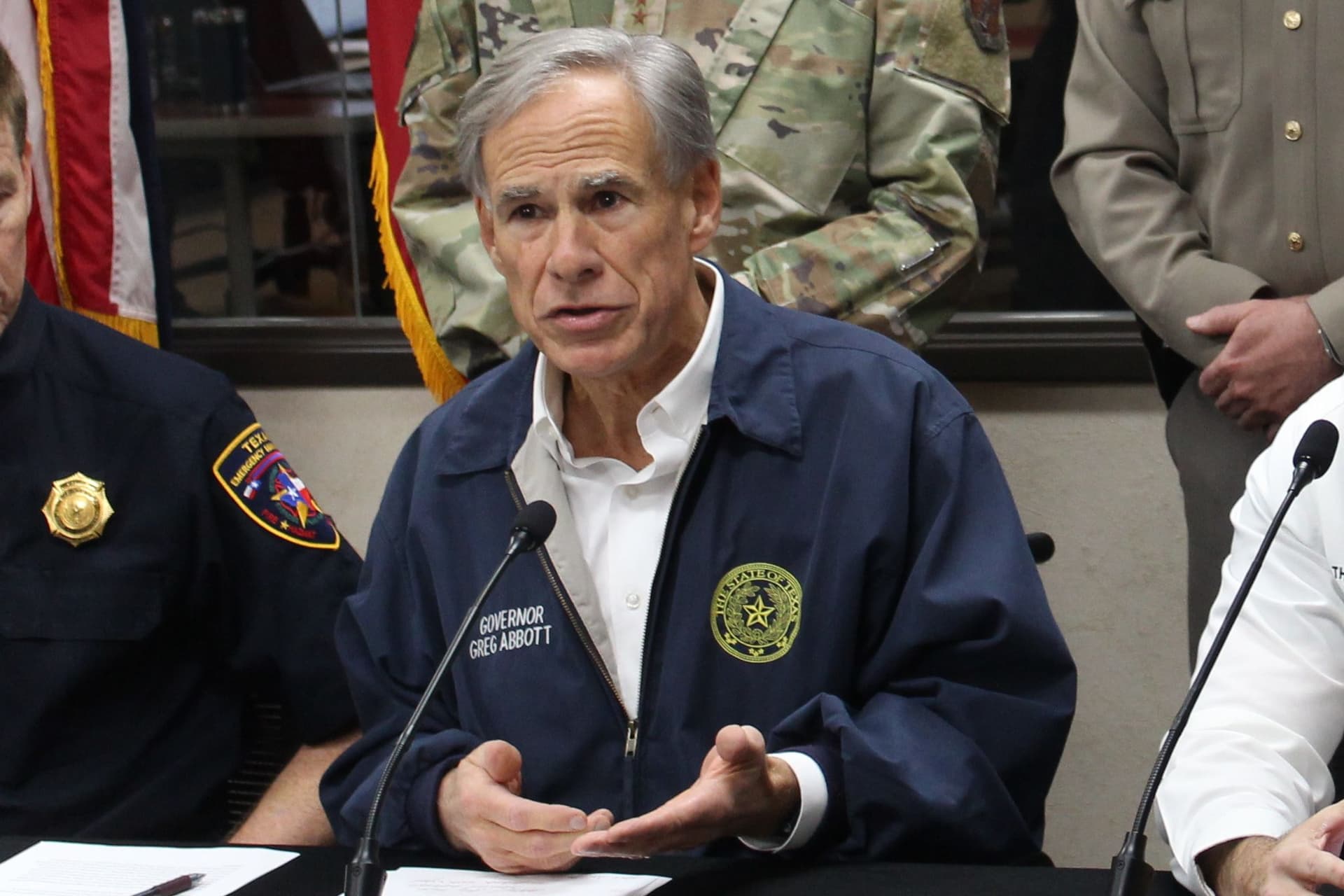
Hunter, who lives in Corpus Christi, was asked if the legislature would take action in his hometown, which is experiencing a severe drought that officials say could lead to water shortages. Gov. Greg Abbott has warned of state intervention if local officials do not find ways to boost water supplies.
“My hope is you'll see a state effort and a federal effort,” Hunter said. “And even though you hear about turbulence in local government, I believe that everybody wants water resolved. The bottom line is to get our hands around it in my area, before the legislature [meets].”
Lawmakers also said they plan to study data center operations and how the large facilities impact local water supplies. The legislature will work with local officials to determine how much data center regulation should happen locally and when the state should step in, they said.
“There's no denying that data centers have really created a big problem for local communities—they're using enormous amounts of water, enormous amounts of electricity,” Hinojosa said.