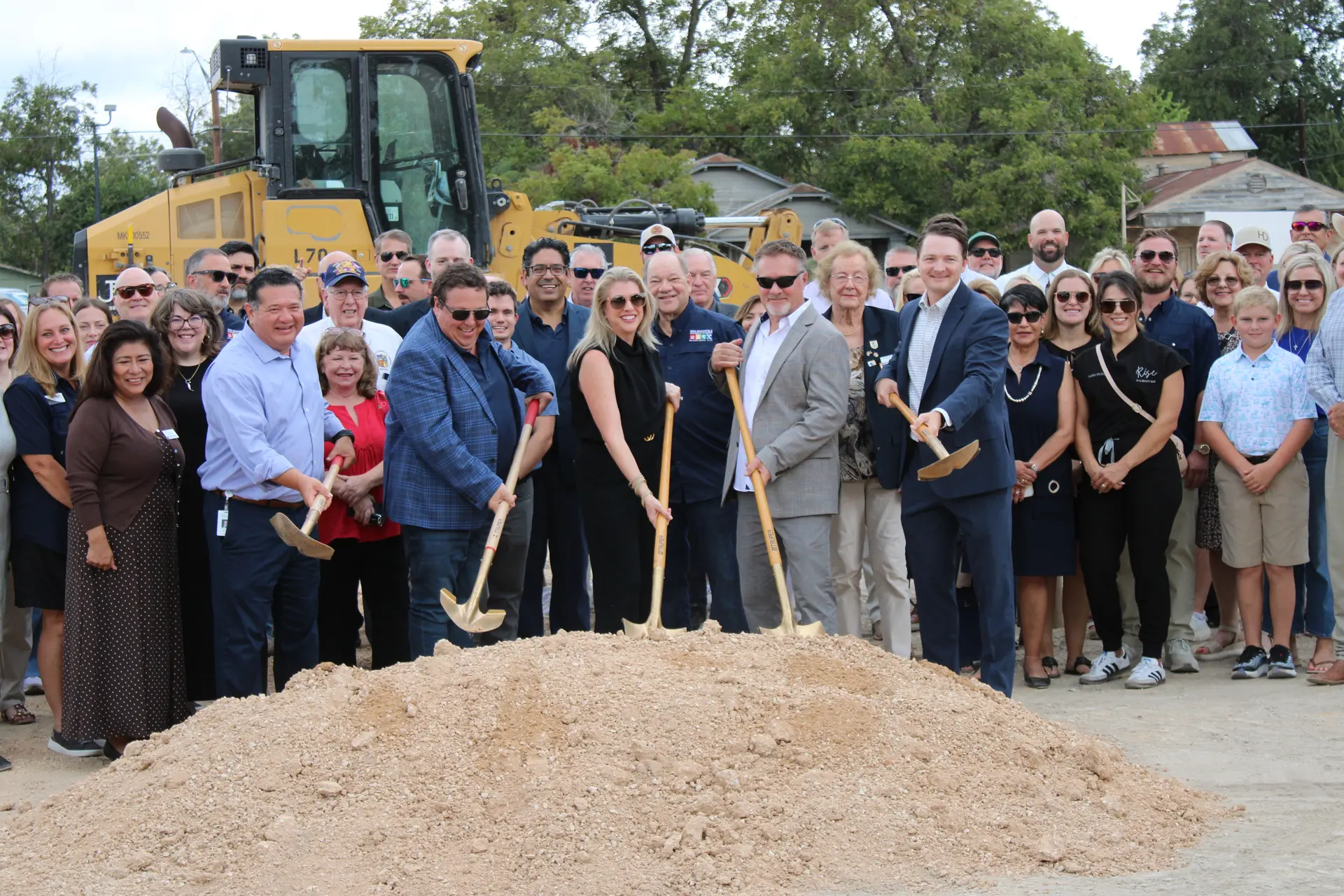
Headwaters at the Comal has begun the final phase of its three-phase, multimillion-dollar expansion project.
The nonprofit organization, located at 333 E. Klingemann St., is New Braunfels Utilities’ legacy conservation project, which aims to transform a historically and environmentally significant site into a public-facing community resource.
The update
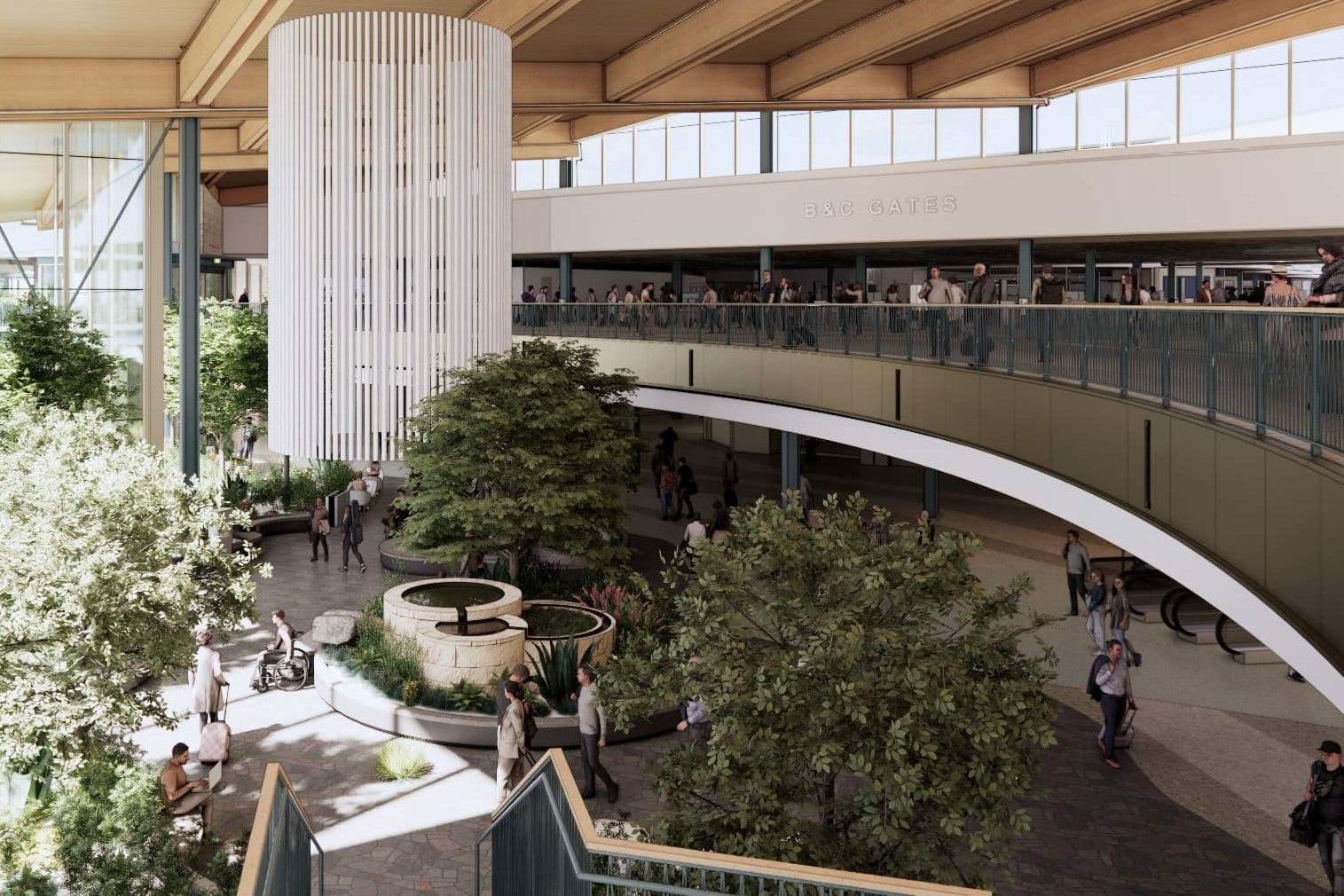
Phase 3 of the project—which costs $10.9 million—is planned as the centerpiece of the site's revitalization and will feature a large-scale, immersive representation of the Edwards Aquifer ecosystem, Headwaters Managing Director Nancy Pappas said.
Designs for the third phase call for a courtyard structure using sail-like elements to illustrate the region’s limestone geology and how water moves through the aquifer. Rain chains, constructed wetland cells and a closed-loop wastewater system will demonstrate aquifer recharge and the connection between the Comal River and downstream bays and estuaries along the Texas coast, Pappas said.
Interpretive elements and archaeological exhibits will also highlight the site’s human history, which dates back more than 10,000 years, predating European settlement, Pappas said.
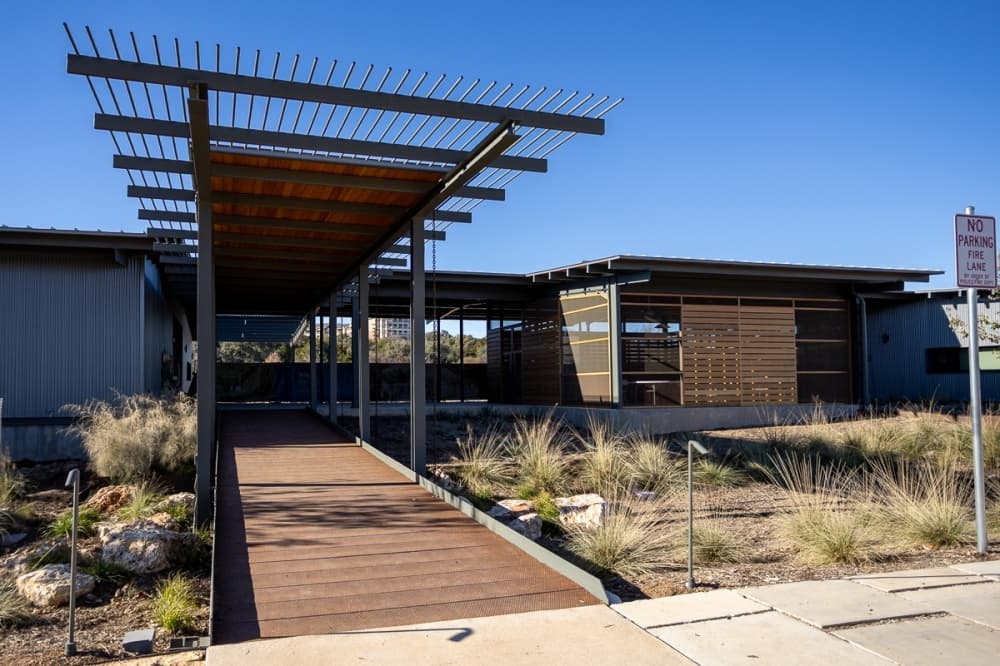
Final landscaping and parking improvements are also underway for Phase 2, which costs approximately $12.9 million. Construction on Phase 2 began in 2023 and focuses on repurposing a former 6,400-square-foot warehouse into a low-impact education and outreach facility, as previously reported by Community Impact.
The renovated structure features natural lighting and ventilation, operable windows, rainwater-harvesting cisterns for irrigation and water-efficient design elements to reduce energy and water use, Pappas said.
“We stripped it down to its foundation and used adaptive reuse,” Pappas said. “We used as much of the structure as we could and rebuilt it to be a beautiful, interpretive natural lighting, ventilation and water capture.”
Phase 2 also included the construction of a new parking area across the street. The lot incorporates low-impact development techniques, including a rain swale that captures and treats stormwater runoff before it flows into Blieders Creek and ultimately the Comal River, Pappas said.
Construction on Phase 1 began in 2016 and was completed in 2017. The primary goal was to prevent pollution from entering the Comal River by diverting more than 12,000 pounds of contaminants through green stormwater infrastructure.
Phase 1 also included trails, native landscaping and elements to help visitors learn about the local ecology and watershed, Pappas said. Digging deeper
The goal of the Headwaters is to help residents understand where their water comes from and how individual actions can contribute to long-term protection of the region’s most vital natural resource, Pappas said.
“The Comal Springs are really the heart and soul of the community. Whether they've lived here forever or for generations, or they've just moved here, they love living here because of that river and the environment that it creates around it,” she said.
The 16-acre property contains the uppermost Comal Springs and still houses a working water treatment plant that supplies Edwards Aquifer water to the city, Pappas said.
The city of New Braunfels purchased the property in 1907 from the Klingemann family to establish the city’s original waterworks. Over the decades, NBU has used the site for fleet operations, maintenance and training facilities before vacating much of the property in 2004, Pappas said.
With the site largely unused and located in a rapidly growing area, the NBU board of trustees directed staff to engage the community and identify a higher, long-term use for the land. That visioning process, which began in 2015, led to the creation of the Headwaters as a multiphase legacy project focused on conservation, green infrastructure and public education.
Looking ahead
Construction of the project's final phase has already begun and is expected to be completed in early 2027, NBU officials said.
The Headwaters will continue to offer tours, camps and educational programming during construction.