Richardson residents are set to see water and wastewater rate increases this November in response to rising costs for water and infrastructure.
The overview
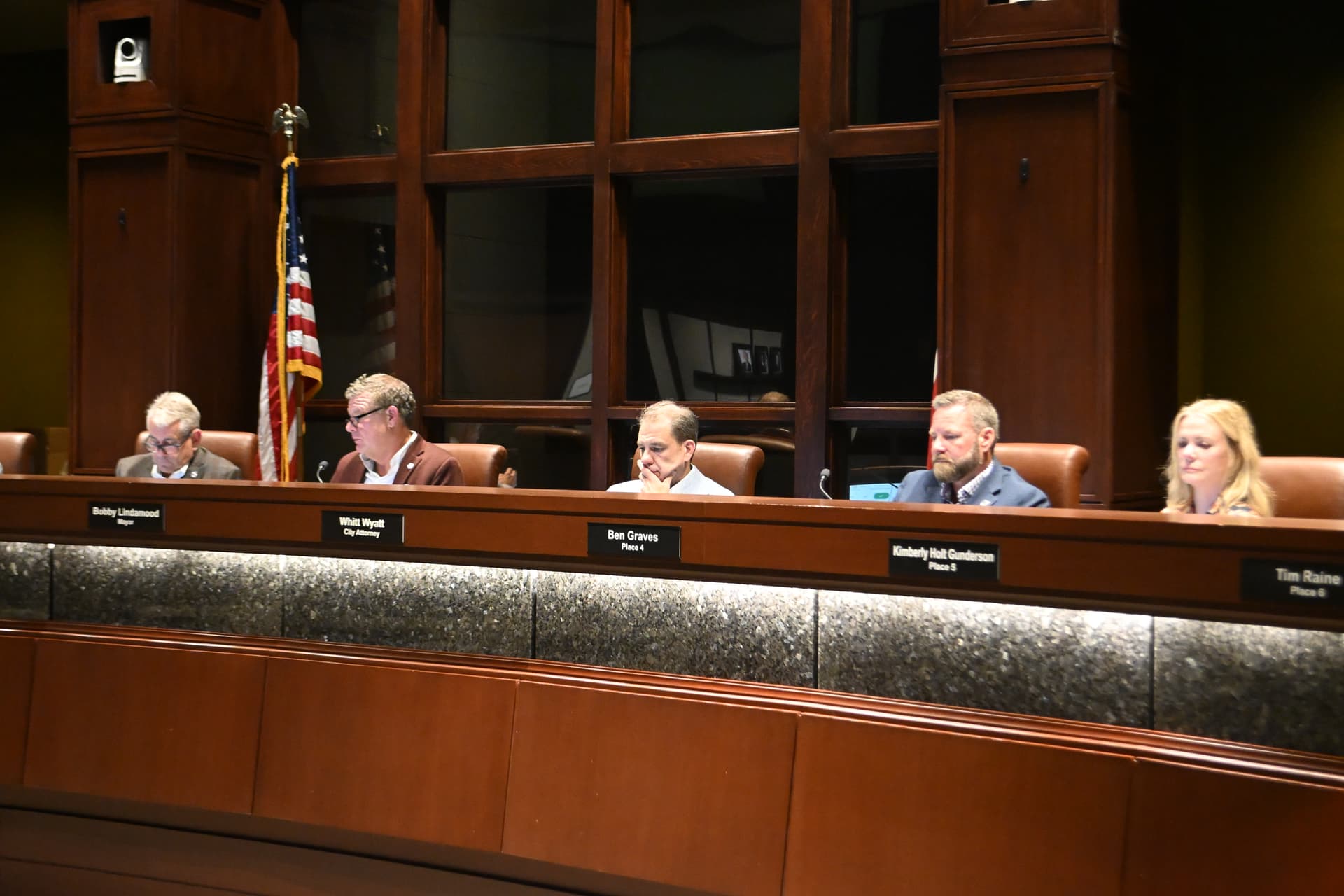
Richardson last adjusted its water and wastewater rates in November 2025, but City Manager Don Magner said the standard rate increases will no longer be sufficient to cover rising costs.
It currently costs Richardson about $120.1 million to run its water and wastewater services for the year. That total will likely hit $196.7 million in 2035, due largely to wholesale rate increases from the North Texas Municipal Water District, which the city buys its water from, consultant Dan Jackson said at a June 8 council meeting.
In addition to increasing users’ volume rate, city staff recommended that Richardson also increase its monthly base charge, with higher fees for larger water meters.
This means that water bills will increase the most for the highest water users, pushing more costs on commercial customers with high-capacity water meters. Residential users, who typically have smaller meters, will see a lower rate increase than they would under the current structure.
Richardson currently charges a flat $8 base fee for water and wastewater each month to every customer, whether they are a residential user or a special manufacturing facility. This rate has been in place since June 2012.
The cause
The North Texas Municipal Water District has had “noteworthy increases” in its wholesale rates for 10 consecutive years, Magner said, while inflation continues to drive up utility operating and infrastructure costs.
NTMWD’s current water rate is $4.14 per 1,000 gallons. The organization projects this will almost double to $8.05 by 2036.
The cost increases are largely driven by population growth in North Texas, said Jenna Covington, NTMWD executive director and general manager, at a June 22 City Council meeting.
NTMWD has almost $3.95 billion currently in contracts for 134 projects, the majority of which are needed to accommodate growth and peak flow in the water system, Covington said.
“We really don’t pay for water,” said John McCaskill, clinical professor of public and nonprofit management at The University of Texas at Dallas. “We pay for the ability to move water.”
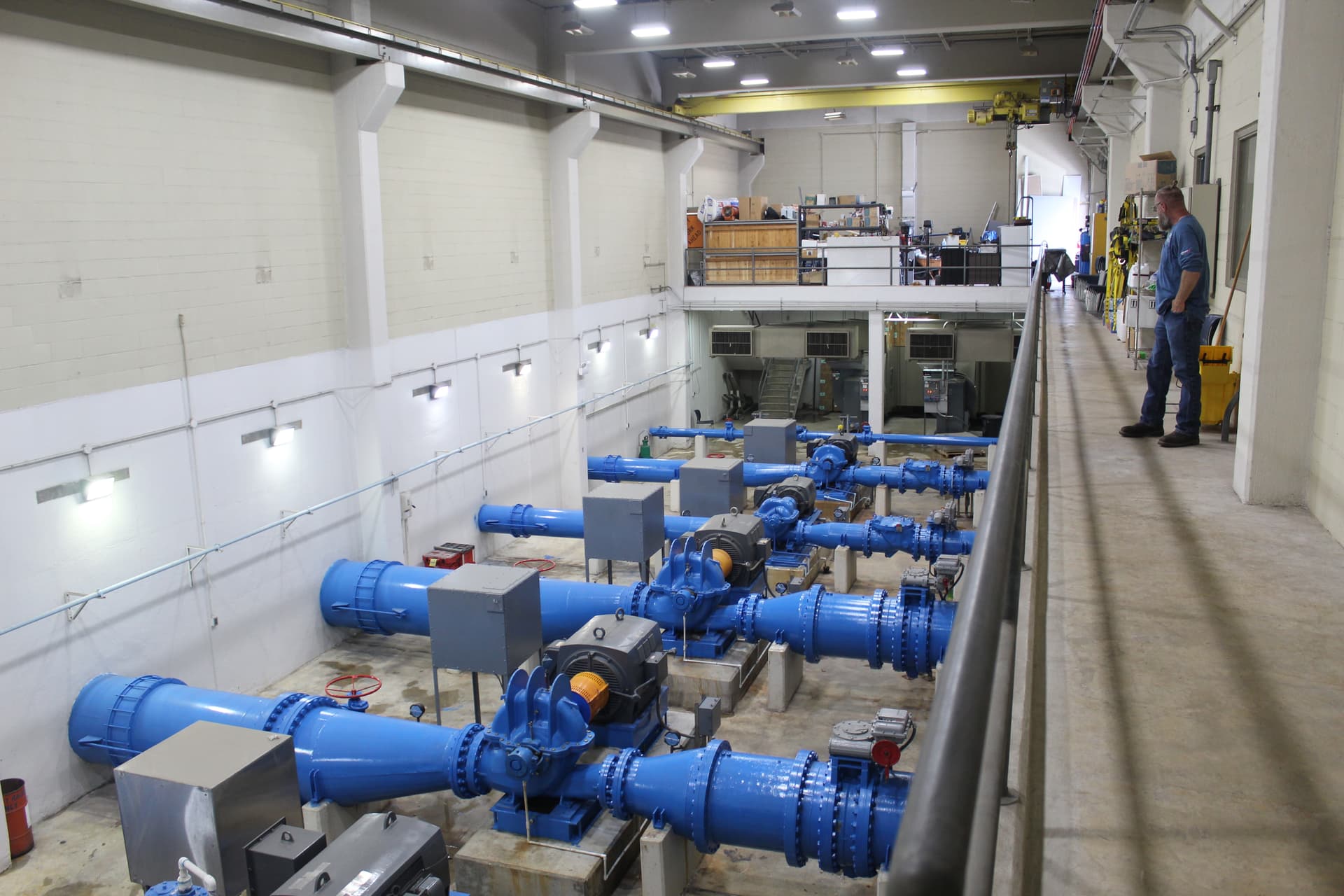
Richardson’s new rate structure is also driven by the city’s own infrastructure needs. Most of the city’s water and wastewater infrastructure is at least 40 years old and requires an estimated $83.89 million in capital investment over the next five years, Magner said. This will be funded through long-term debt, which requires a healthy water fund balance to support.
Also of note
The new rate plan will include a discount for residents 65 and over that use a typical residential meter size. While seniors will see the same volume rate increases as other users, their base charge will remain at $8.
As some of the lowest water users, Magner said seniors would be “disproportionately burdened” by the base charge increases.
“The majority of our population is aging in place. I do want to protect that asset to where it’s affordable for them to maintain their living environment, said council member Curtis Dorian at the June 8 meeting.
How it works
The city plans to gradually phase in higher base charges over the next five years, reaching a $20 base fee per month for most residents by 2030, who typically use the smallest three-quarter inch meter. Commercial base charges will reach as high as $1,533.40 a month on the largest 10-inch meter.
The majority of Richardson’s water customers are residential accounts, but residential use makes up about a third of the city’s water use. A small amount of commercial and special manufacturing accounts use most of Richardson’s water.
With the increasing base charge and volume rates, the average residential user will see between a 7.7% and 9% increase on their water bill for the next five years. The average commercial user will see a 7.3%-12.3% increase each year.
Looking ahead
The new rate structure will be further developed by city staff during budget development this summer and pending official approval would apply to usage starting Oct. 1. Residents would see the new structure reflected in their bill for the first time in November.
Due to changes to the NTMWD’s price structure, Magner said he expects Richardson’s rate increases to slow after three years. Long-term, the city is relying on the higher rates to increase conservation efforts.
Under the new structure with base charges based on water capacity, commercial users will have financial incentive to pursue water reuse and conservation projects, Magner said.
On the residential side, Richardson limits when customers can water their lawns under the city’s Water Conservation Plan, but McCaskill said all residents should adopt a conservation-focused approach to water moving forward.
“We’re going to have to treat water as the valuable resource that it is,” McCaskill said.