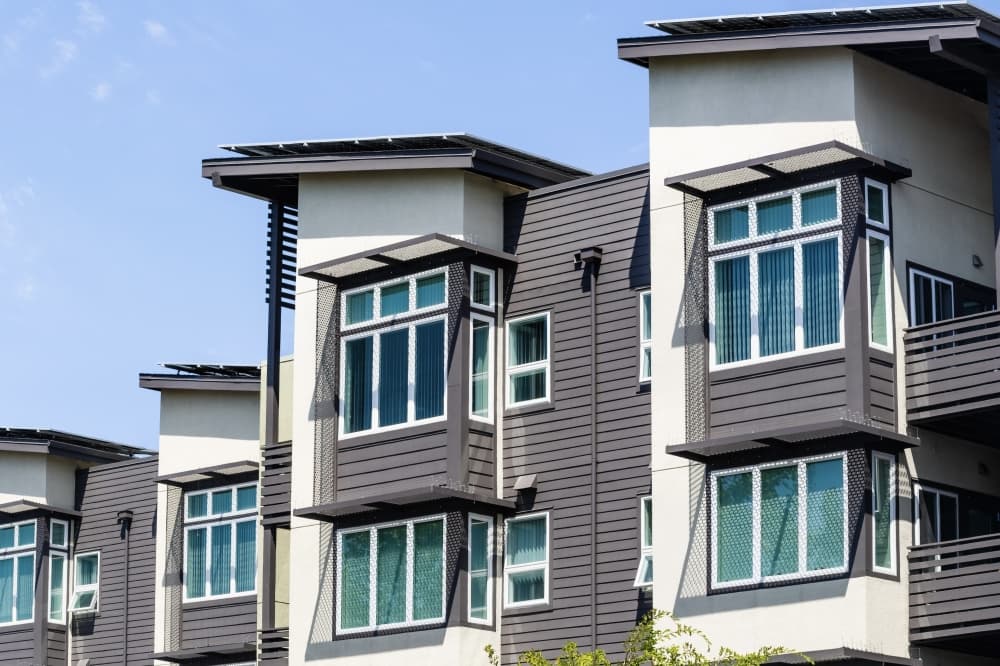
Richardson may create a nonprofit organization to facilitate the development of affordable rental housing in the city.
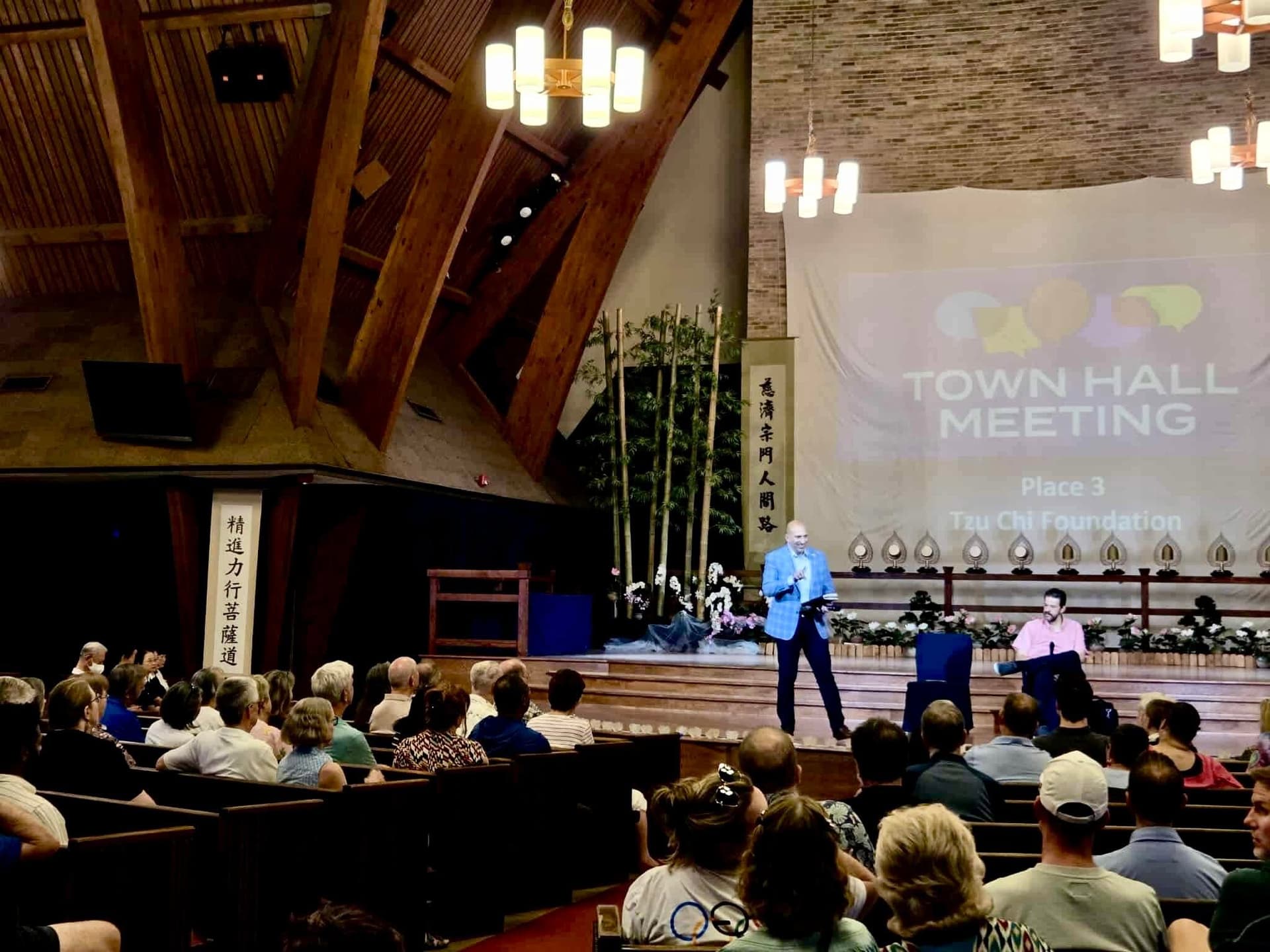
Council discussed forming a housing finance corporation or public facility corporation at the Oct. 19 meeting. These organizations, under the direction of the city, would partner with developers to build income-restricted rental housing in the city.
The big picture
A 2025 housing needs assessment found that Richardson needs more well-maintained rental housing units that are affordable for lower-wage workers. The study identified several tactics to encourage these developments, including HFCs and PFCs.
“Both of these corporations have been used as tools around the state for the new construction and the rehabilitation of rental housing,” Richardson Chief Operating Officer Kent Pfeil said.
Advisors from financial firm Hilltop Securities and law firm Chapman and Cutler, who help to facilitate and represent HFCs and PFCs across the state, briefed council on how these organizations could work in Richardson. Council is set to receive a second briefing before deciding whether to move forward with the initiative.
HFCs and PFCs are nonprofit organizations, overseen by a council-appointed board, that facilitate deals with developers to build or repair affordable rental housing. Both forms of corporations are governed by state legislation and can bring tax exemptions and bonds to development deals that help finance affordable housing projects.
“HFCs and PFCs are a tool in the toolbox to help you reach your housing needs,” said Megan Rahmes, vice president at Hilltop Securities. “Not only do they bring affordability to your community, … but you also receive revenue back to the HFC that you’re then able to put back into your community.”
The framework
Based on the legislation for HFCs and PFCs, a certain amount of units in a development must be restricted to renters at specific income levels, based on the area median income. Council can choose to target different affordability levels with the projects.
For example, a certain amount of units in a development could be restricted to renters who make less than 60% of the area median income, while other units are restricted to renters at or under 100% of the area median income.
In Collin and Dallas counties, 60% AMI ranges from $50,800 per year for a one-person household to $72,660 per year for a four-person household. At 60% AMI, rent would be limited to $1,272-$1,889 per month, based on the number of bedrooms in the unit.
Rahmes said these developments can serve working-class individuals, such as teachers, first responders, municipal employees and healthcare workers.
“When we talk about these transactions, one may think we’re talking about one who makes very little income to no income,” Rahmes said. “These are actually your working-class people that may not have the ability to pay those market rents in your standard communities.”
Rahmes said Richardson city employees who would qualify for the 60% AMI restricted housing include library clerks, animal services officers and administrative secretaries.
“The question becomes, do we want to create housing that would allow these people to be able to afford living in this city?” Mayor Amir Omar said.
A closer look
The corporations bring tax exemptions and credits to projects that appeal to developers, Rahmes said, while also allowing the city more control over projects. Through tax-exempt multifamily revenue bonds, low-income housing tax credits and other tax exemptions, they create additional sources of financing for multifamily housing development.
HFCs and PFCs operate under different statute codes and have different income restrictions, but both have a level of affordability requirements and can operate for the same purpose, Rahmes said. The city could choose to form one or both of the organizations.
The city would also receive revenue through the HFC or PFC that can then be put back into the community for other housing initiatives, Rahmes said. The funds could be used for single-family assistance, senior home rehabilitation, emergency rental assistance programs, social services, community grants and other charitable ventures.
Rahmes estimated that Richardson could receive between $4 million-$7.4 million through an HFC or PFC over 15 years, depending on the structure of the program. The city would have to put in money up front for the program, City Manager Don Magner noted, and would likely see the most revenue in the later years.
Looking ahead
Omar said council would be responsible for deciding what projects the HFC or PFC facilitate.
“We would be the ones choosing when this tool gets used or not, or if we ever use the tool,” Omar said. “If we want to have as many tools possible to be able to either allow or not allow a particular type of development to happen, then this would be something that we would at least consider moving forward with.”
Council will receive a second briefing on HFCs and PFCs before deciding to move forward with the program. Magner said council will need to establish goalposts for potential development projects and identify what types of deals they would consider.
“I do think that we’re going to have a line at the door,” Magner said. “It’s a very popular tool right now for multifamily developers.”