Richardson may add goat browsing for vegetation control and low-mow areas to its landscape maintenance program.
Shohn Rodgers, assistant director of parks and recreation, briefed City Council on two alternative landscape strategies at the Nov. 2 meeting that he said could help address unmet maintenance needs around the city.
The overview
The city’s Parks Maintenance Program aims to provide “safe, well-maintained, manicured spaces” to Richardson residents while protecting natural resources, Rodgers said.
“We have recreation needs [and] we have conservation needs,” Rodgers said. “Threading that needle is very, very important to us and how we maintain the green spaces in Richardson.”
Goat browsing could help control vegetation in hard-to-reach areas, while expanding low-mow or no-mow areas could reduce the extent of mowing responsibility for city staff and preserve natural spaces, Rodgers said.
Zooming in
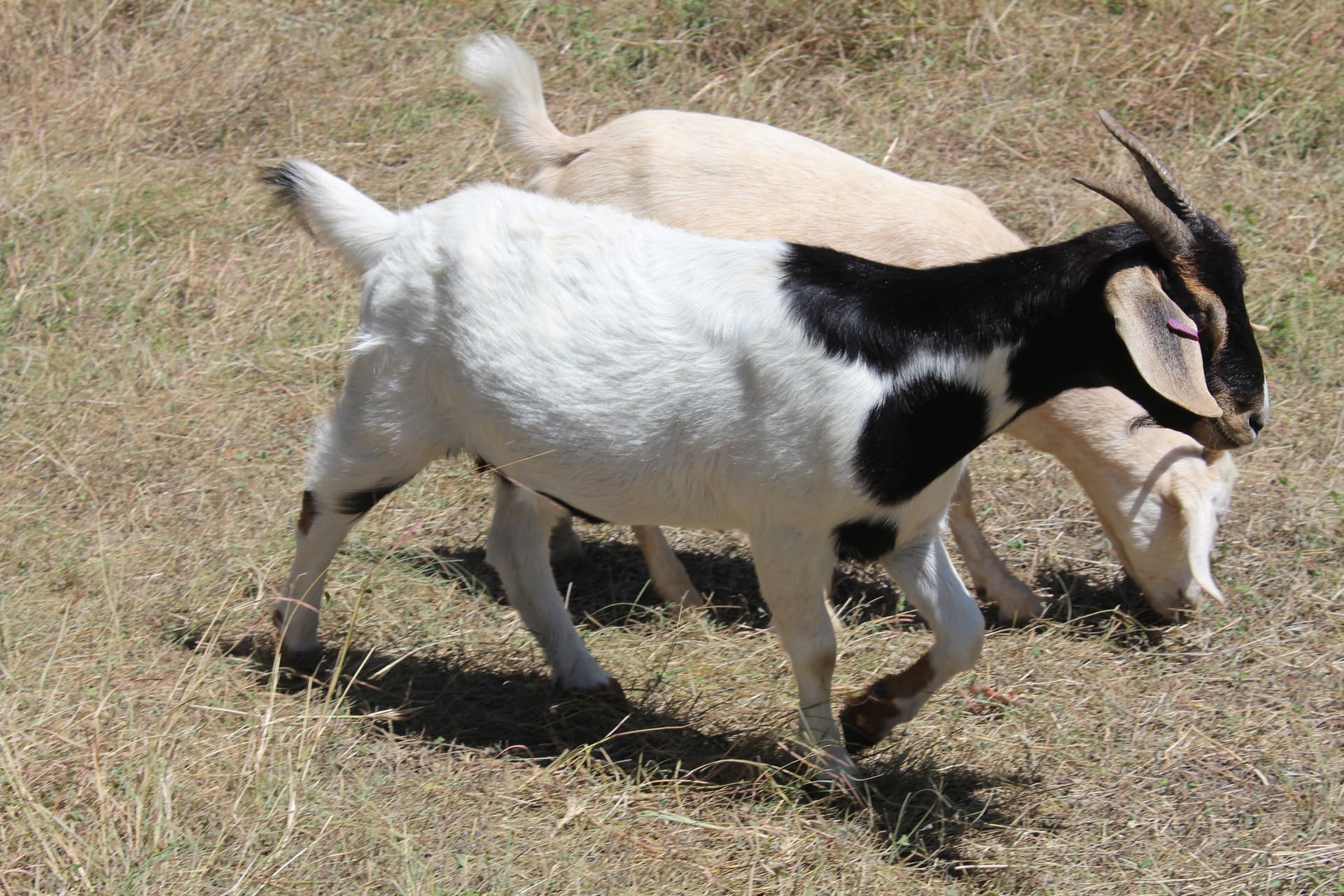
The city could use goat herds to clear unwanted brush, vegetation or invasive species, Rodgers said. According to contractors who do this work, the goats can clear about one acre a day of vegetation that is up to five feet above ground level.
“I suppose if you had a very large goat, they might get a little bit higher, but I think that’s probably a good rule of thumb for how far they can come up from the ground,” Rodgers said.
Contractors would provide fencing to contain the goats and limit the browsing to targeted areas, and would also likely provide a shepherd who stays on-site to monitor the goats, he said.
Woodcreek Church used goats to clear a heavily wooded area of unwanted vegetation, Mayor Amir Omar said. He suggested the city could implement the same strategy in areas around the Spring Creek Nature Trail that have a number of “dead zones” filled with brush that is difficult to clear.
“It looks very green, but from a biodiversity perspective, the only thing that’s really living there is privet,” Omar said. “It’s choking out anything else that could live there. The idea would be you clear the privet, you give a chance for things underneath it to be able to live and it gets a little bit of natural fertilizer in the process.”
The details
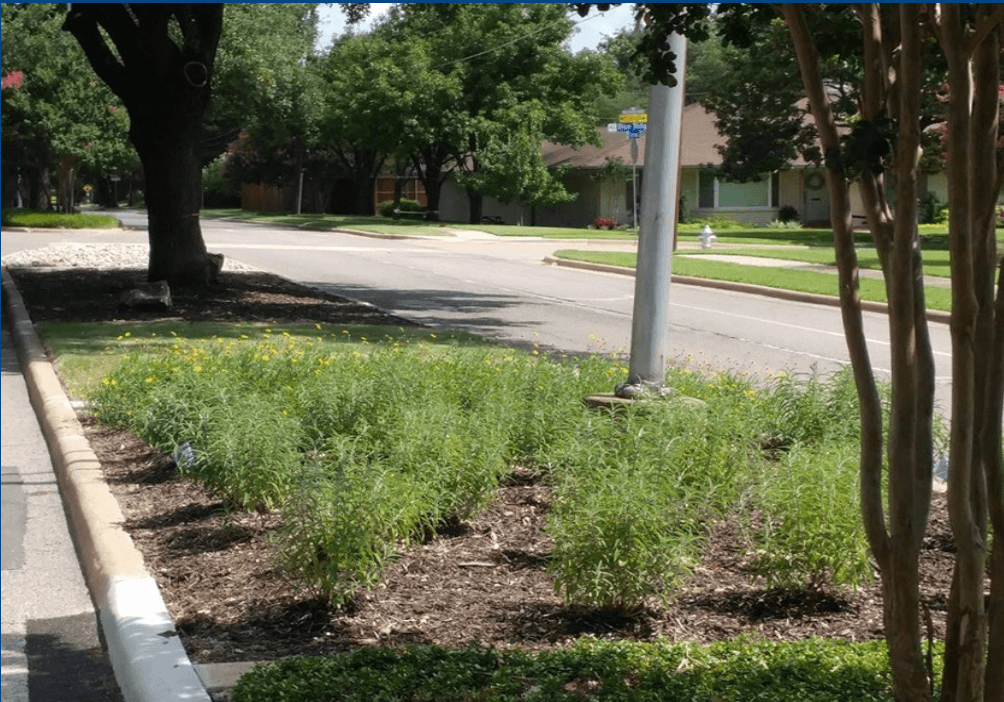
Low-mow and no-mow areas have already been an effective strategy for parts of the city, Rodgers said, and expanding those areas could support further biodiversity and potentially reduce some costs in the long term.
The city already has a number of natural areas that are managed with a “light touch,” Rodgers said, with little or infrequent mowing. These include Breckinridge Park, Spring Creek Nature Area and Galatyn Woodland Preserve.
“We don’t do any more maintenance than we absolutely have to in those areas, because we want to make sure we’re conserving them as natural areas,” Rodgers said.
Expanding low-mow and no-mow areas would mean a targeted reduction or elimination of traditional mowing in specific locations, such as medians or larger natural areas. The initiative would require significant initial management from the city to establish 100% native plants and get rid of any invasive species.
“[Invasive species] are here, they’re in the ground, they’re in the turf,” Rodgers said. “When we stop mowing, those are going to come up and we have to make sure we’ve either eliminated those beforehand or [are] taking appropriate steps to get rid of those.”
Next steps
Council members expressed interest in the proposals if there are specific areas in the city that could benefit from the alternative landscaping strategies and if they would be cost-effective to implement.
Rodgers said the city’s parks and recreation commission would review the proposals and the department will conduct further research and identify locations for the programs before returning to council.