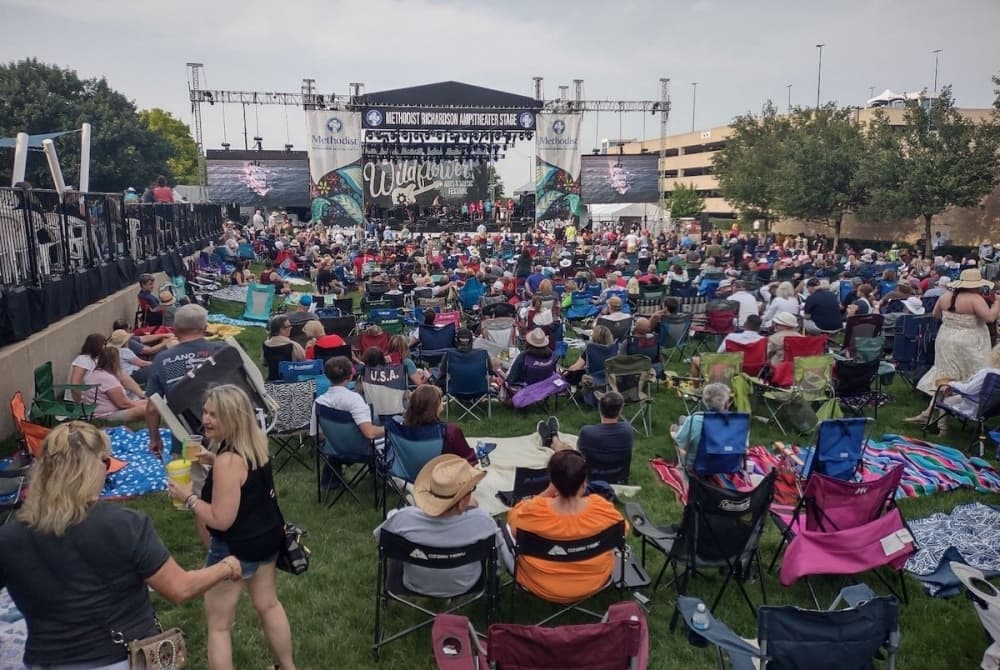
Officials with Richardson’s Wildflower! Arts & Music Festival are working to grow its revenue and reduce expenses amid rising costs and lower attendance.
Yvonne Falgout, director of parks and recreation, presented to City Council on March 23 the adjustments to this year’s festival that aim to raise revenue and attendance. This year, the 34th annual festival will run May 15-17.
The big picture
This is the second of three briefings on Wildflower’s city-funded budget, which could come under reconsideration in light of budget pressures that may result in cut city programs. City Manager Don Magner said the combination of increasing costs with stagnating revenue is a “recipe for disaster” for the festival.
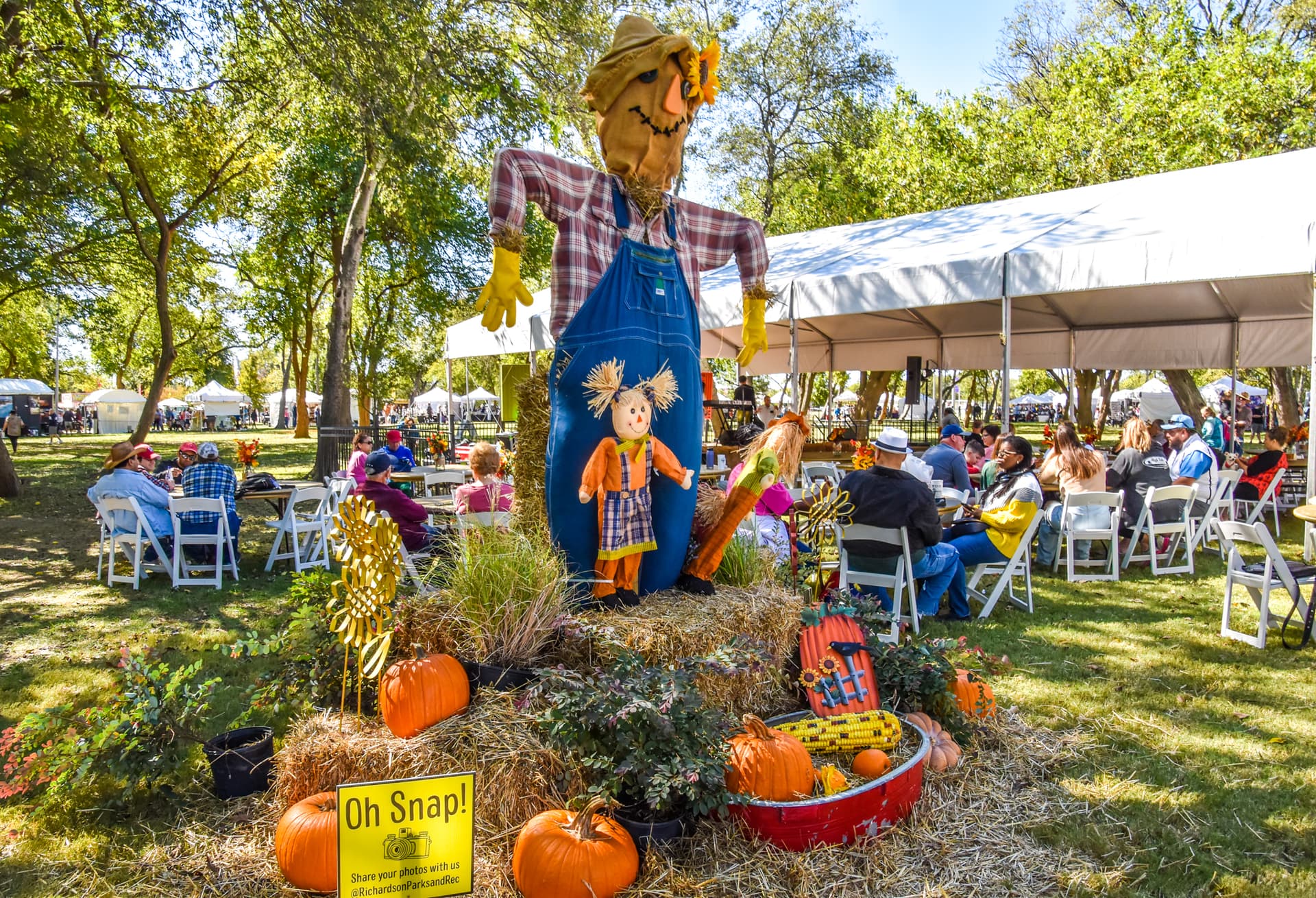
Wildflower showcases a lineup of musical artists along with food, beverages and a marketplace of local vendors. Festival attendance has halved since 2018, dropping from 32,334 total attendees to 16,688 last year. The festival was cancelled in 2020 and 2021 due to the COVID-19 pandemic.
Falgout said weather plays a significant role in attendance, from rained-out days to cold fronts—the highest attendance of the last six festivals have been in the two years without any weather impacts.
“When we plan our revenue numbers, we are very conservative in that because we don’t know what the weather’s going to be like that weekend, and that has a direct impact on us,” Falgout said.
Breaking it down
While the festival’s revenue has not experienced major changes since 2022, expenses have risen by nearly $1 million. Some of that increase is due to the festival not including its primary plaza stage in 2022 and 2023, reducing entertainment and operational expenses. However, Falgout said costs across the board have increased significantly, including expenses for catering, site logistics, production, entertainment and other services.
“We’ve attempted to contain those costs as much as possible by reducing things from behind the scenes without impacting the actual festival itself,” Falgout said.
Last year, the festival received almost $1.8 million in subsidy from city funds, a number that has doubled since 2022. While the festival does not aim to break even—council member Jennifer Justice called it a “public service"—staff have made operational changes this year in an effort to reduce expenses and bring down that subsidy in light of the city’s budget pressures.
“There’s a lot of intangible value associated with the Wildflower Festival,” Magner said. “[But] is that a $1.8 million value?”
A closer look
In January, city staff carried out a survey on the festival that gathered 1,885 responses from both Richardson residents and nonresidents. Falgout said the responses were “overwhelmingly positive,” with high satisfaction ratings for all aspects of the festival.
Responders said that better bands and bigger headliners would increase their likelihood of attending, and listed live music, vendors and food as their top attractions.
Falgout said entertainment costs are one of the many expenses that have grown over the last several years, while the festival also faces increased competitiveness for artist bookings in the Dallas-Fort Worth area.
“Our dollar, when it comes to entertainment, used to go further,” Falgout said. “The bands have gone up significantly in cost, so what we are spending this year and what we could have gotten pre-COVID—it’s a whole different ballpark of quality level.”
Dianna Lawrence, superintendent of community events, said raising ticket prices would require the festival to increase its entertainment costs to justify the higher admission.
“There is a direct correlation between the type of acts and the level of entertainment that we bring in that more or less validates the ticket price point that we offer,” Lawrence said.
What’s new
Falgout presented several adjustments to this year’s festival that aim to maximize attendance and revenue. General admission will be free on Sunday, which Falgout said is historically the festival’s lowest-attended day. The price of the three-day general admission pass will be reduced to reflect the free day.
In addition to ticket sales, a significant portion of Wildflower’s revenue comes from food and beverage sales at the festival, which Falgout said she aims to maximize through offering free Sunday admission.
“By having the free Sunday, the hope is people have spent less to get in, and they will hopefully spend more at the festival,” Falgout said. “By having more people in the festival, we will see [food and beverage] revenue go up naturally.”
Falgout said the festival will also rebrand the kids area, WF! Kids, to “The Grove,” which will offer a more family-focused experience and increase its reach to older youths in addition to young children.
Falgout said city staff also plan to enhance the festival’s marketing by leveraging internal staff-led initiatives and expanding outreach to regional markets in Texas and Oklahoma.
Looking ahead
While Falgout said she anticipates higher revenue from this year’s festival in May, weather remains a determining factor.
In June, Falgout will present council with results from the festival along with a strategic plan for enhancing Wildflower’s experience and revenue. Falgout said future efforts to reduce festival expenses may require changes to the festival itself and to the audience experience.
“Cutting costs will also mean cutting some of the services because we have streamlined [operations] as much as we can,” Falgout said. “Any cut that we make moving forward will have to be something seen by the spectators.”