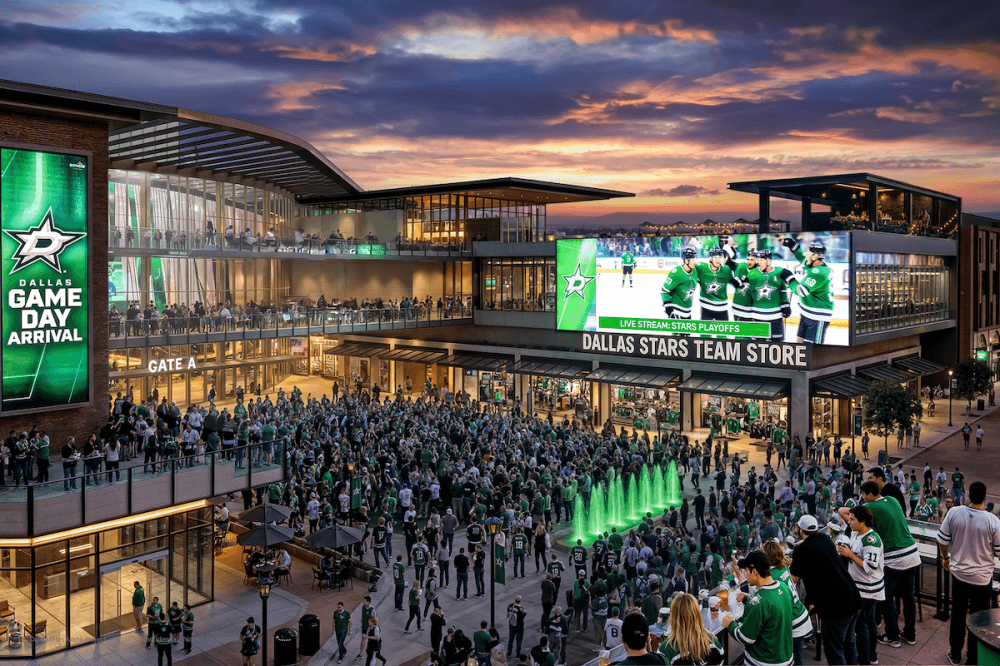
On Nov. 3, Plano voters will decide whether or not Plano can use state funding mechanisms to help pay for its $700 million portion of the proposed $1 billion arena for the Dallas Stars.
In August, Plano council members called the election on Proposition A, which includes levying a venue tax for rental cars, hotel rooms, game tickets, arena parking and visiting players’ game checks.
If approved by the voters, the venue tax would help the city finance a potential arena, City Manager Mark Israelson said, although discussions with the team remain ongoing.
“We're working on a number of elements that affect the project,” Israelson said. “This is strictly on the financing side.”
The different venue taxes include:
Up to 5% short-term motor vehicle rental tax
Short-term hotel occupancy tax up to 2% of room price
Up to $3 per vehicle event parking tax
Up to 10% of each ticket price as an admissions tax
Up to $5,000 per game on a member of a major league team that plays a professional sports game at the venue
Diving deeper
The Stars arena is part of a $3 billion redevelopment effort of The Shops at Willow Bend, which includes a proposed $2 billion mixed-use development.
Additionally, the taxes that are on the ballot are based on the Texas Local Government Code, which allows local municipalities to call a special election for residents to consider taxes for its revenue to go toward costs from the proposed venue.
“The venue taxes are established by state statute,” Israelson said. “They're authorized by state statute, provided that your community actually votes for them.”
In addition to the venue taxes, the city created a tax increment reinvestment zone, which uses growing property tax revenues in certain areas to pay for improvement projects, and is also looking at obtaining a special project zone from the state, Deputy City Manager Doug McDonald said.
Together, the venue taxes, funding from the TIRZ and a special project zone make up potential funding sources for the project, McDonald said.
Some context
The venue taxes, if approved, are meant to collect revenue based on certain activities related to attending a game at the arena, McDonald said.
“It is not a tax on our property taxes, a tax increase in the rate. It's not a tax that everyone's going to see,” he said. “It's really just on those specific activities that are tied to the proposition.”
Other communities, such as Arlington, have used similar taxes to pay for professional sports venues. Unlike Plano’s proposal, Arlington included a half-cent sales tax increase to help pay for stadiums built for the Dallas Cowboys and Texas Rangers.
What else
Ahead of the election, city officials have worked through various studies to analyze the impact on traffic and other infrastructure, including policing the area.
The city has also created a website with over 250 questions and answers about the venue taxes and development, Israelson said.
“We're trying to be very transparent in presenting as much information as possible," Israelson said. "We actually have a citizen committee right now that's evaluating economic impact to residential areas.”
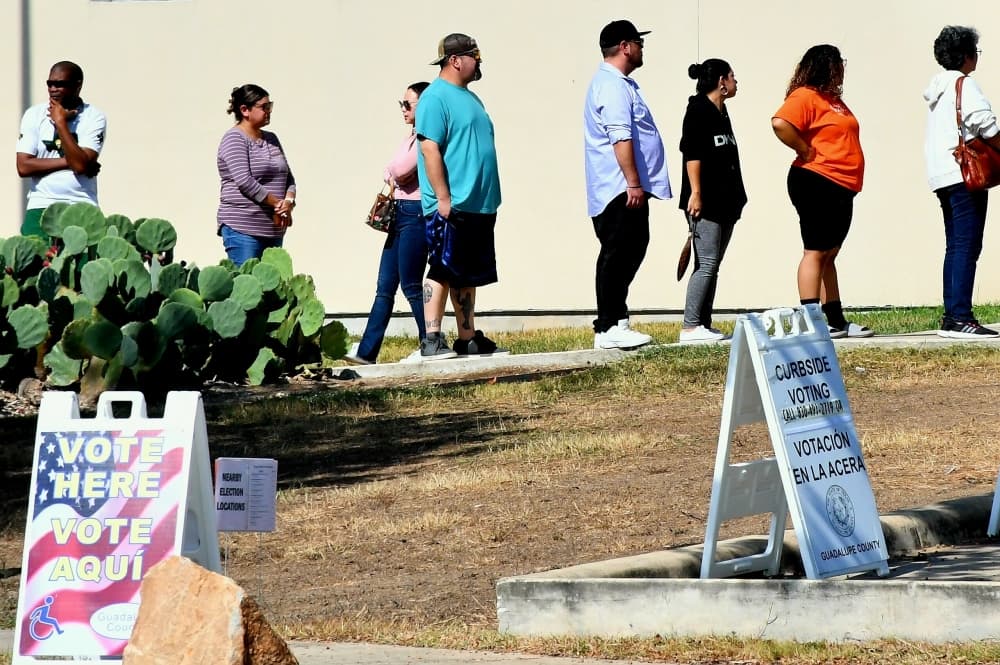
Early voting for the election runs Oct. 19-30. Election Day is Nov. 3.