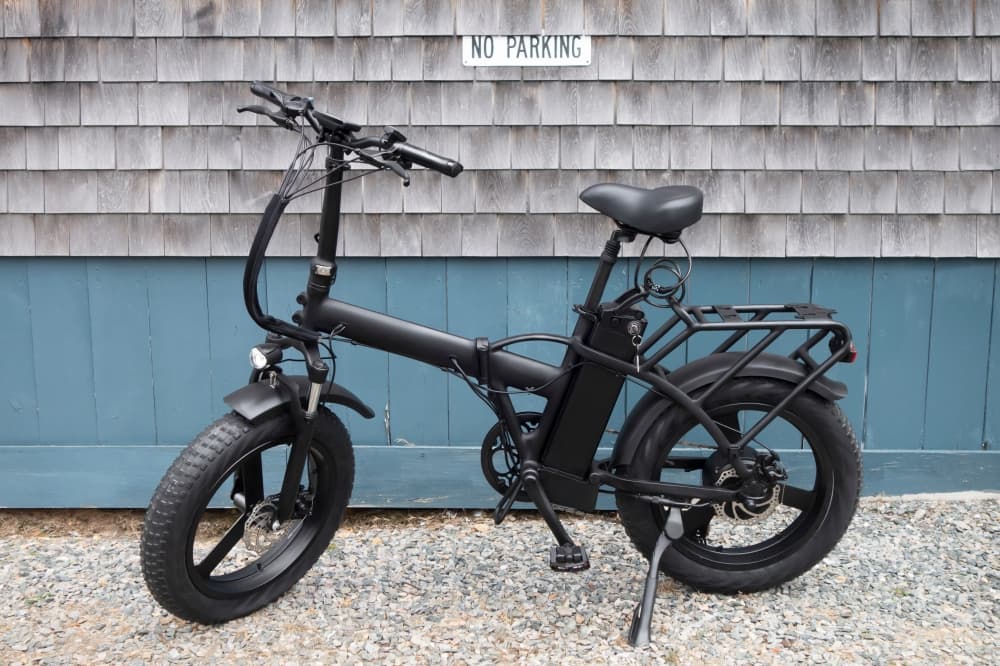
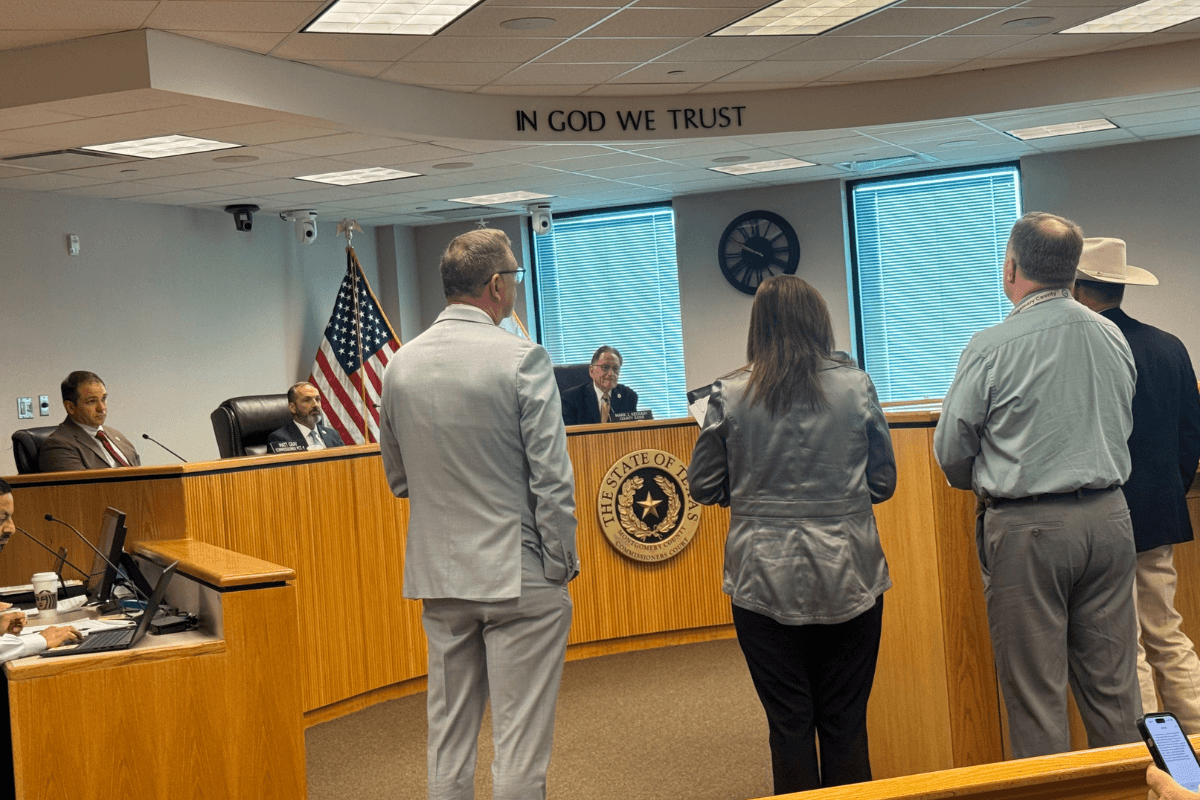
Friendswood City Council discussed how the city should respond to a rise in electric-bike-related accidents, especially involving young riders, at its April 6 meeting.
What happened
The Friendswood Police Department currently has a program to educate the public on rules and regulations pertaining to e-bikes, especially regarding the classification of different bikes and whether licensing is necessary for specific bikes, City Manager Morad Kabiri said.
Those materials show that a rider must be older than 15 to operate a bike that has a top speed of 28 miles per hour.
Council member Trish Hanks said she was concerned about elementary students riding the e-bikes, especially the bikes that can go faster. Hanks said her teenage grandchild, who has an e-bike, expressed concern about the age of the young riders.
Kabiri said city staff proposes three potential paths for the city to tackle the issues:
- Further educating the public, especially parents
- Creating a registry for e-bikes
- Regulating e-bikes
Why it matters
Council member Joseph Matranga said he was worried about young riders who might not be aware of traffic laws and how to operate the bikes.
“They're not doing really anything different than I did as a kid, except they're going three times as fast on a much, much heavier vehicle,” Matranga said at the meeting.
Matranga said he had recently spoken to a resident about an incident where a young girl riding an e-bike collided with his stopped truck and later had to be hospitalized.
“She's all right, but in the end, we keep having these kinds of [incidents],” Matranga said. “I'm worried it's going to get worse than that.”
Kabiri said he had spoken with a police chief about the department’s concerns that having officers directly engaging young riders on e-bikes could lead to the riders speeding off, causing a secondary accident.
“You don’t want them getting in a wreck in the process of doing so,” Kabiri said.
On the other hand
Council member Robert Griffon said he was hesitant to require bikes to be licensed and that the city should focus on first educating both parents and drivers about right-of-way laws for bikes.
“I don’t like the idea of a municipality coming down and being the parent for them,” Griffon said at the meeting.
Another point of view
Kabiri said educating the public would be a key step in tackling the safety risk posed by the e-bikes, comparing it to public health efforts to educate Americans on the dangers of smoking in the 1960s.
“I don’t think this will change until there is a change industry wide,” Kabiri said at the meeting. “Similar to smoking years back ... people smoked regardless of ... the negative health effects of smoking. It wasn’t until the public was educated enough to realize, ‘Hey, this causes cancer, and potentially I may have to curb my behavior.’”
Ross said he would support increased policing of e-bikes and was aware of other cities that require registration for e-bikes. Ross said the city should consider ordinances and enforce existing laws, similar to how states began requiring drivers to wear seat belts.
“It took laws to induce people to wear seat belts,” Ross said. “It took people writing tickets to induce people to wear seat belts. The number of deaths on our highways dropped dramatically after people started wearing seat belts.”
What’s next
Council member John Ellisor asked the city attorney to research how other cities regulate e-bikes and inform residents about the risks.
Matranga asked city staff to look into what other police departments were doing to maintain safety on their streets and sidewalks.