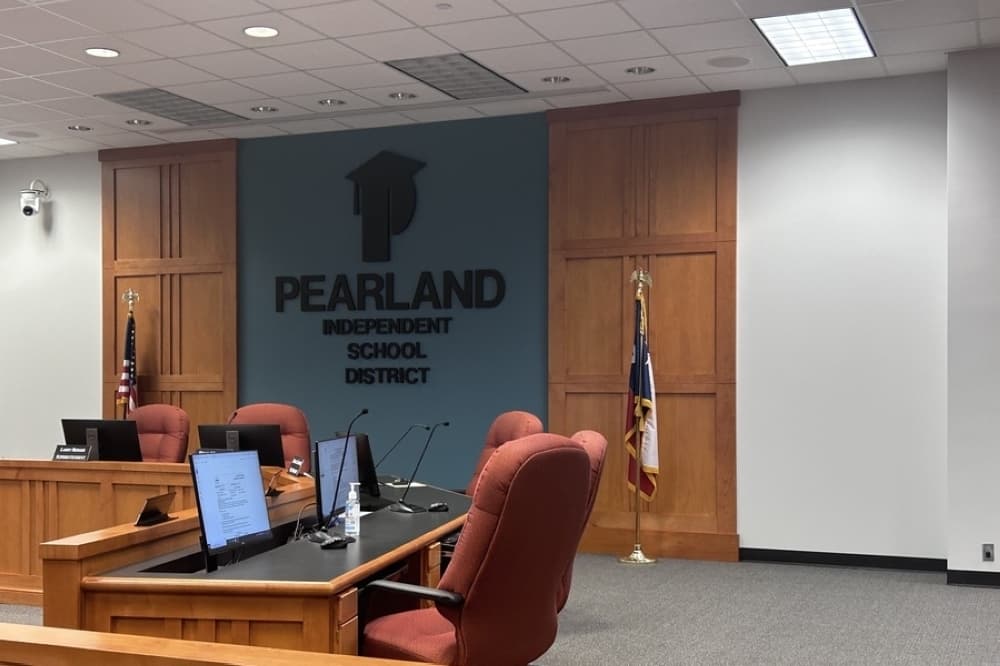
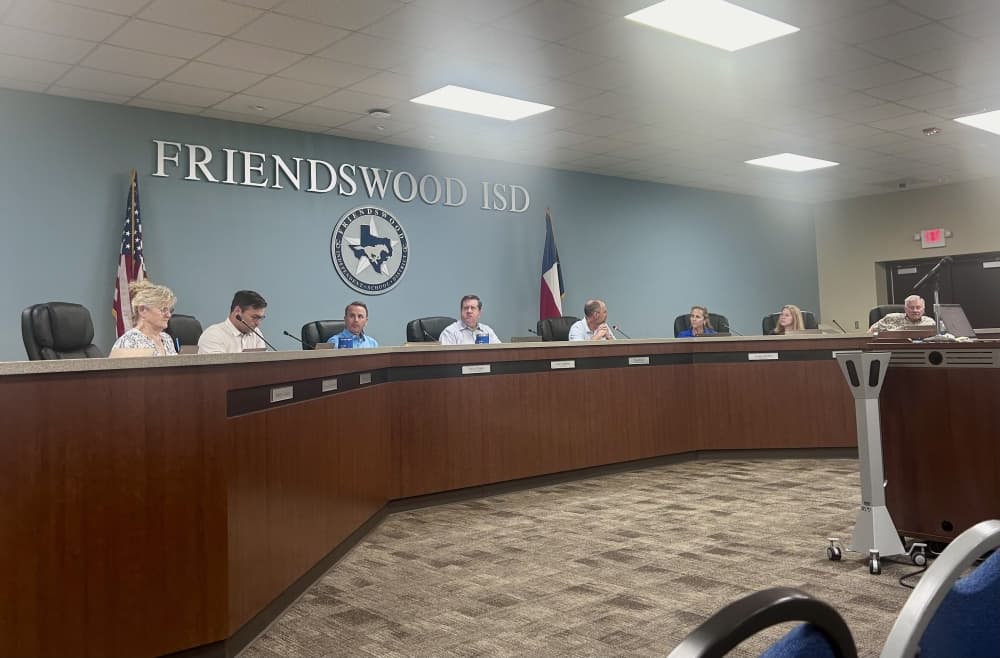
Incoming freshmen at Pearland ISD will have an additional graduation requirement after trustees approved an updated college, career and military readiness, or CCMR, policy at its July 14 board meeting.
The measure passed in a 5-1 vote, with trustee Kris Schoeffler voting against the proposal and trustee Toni Carter absent.
What parents should know
Starting with the incoming freshman class in the 2026-27 school year, students must complete at least one Texas Education Agency, or TEA, CCMR indicator to graduate, according to district documents.
Students can meet the requirement through several pathways, including:
- Passing at least one Advanced Placement, or AP, exam
- Earning at least three hours of dual credit
- Earning an industry-based certification
- Graduating with an associate degree
- Enlisting in the military
The requirement only applies to the incoming freshman class, or the class of 2030, and beyond. Current high school students will graduate under existing requirements, Superintendent Larry Berger said.
Students with extenuating circumstances, such as those transferring into the district late in high school, may request an exemption, and a graduation committee will review those requests on a case-by-case basis, documents show.
Why now?
Berger noted Pearland High School currently has "several hundred" seniors who do not meet a CCMR indicator and said introducing the requirement in junior high will help keep students on track before graduation.
The policy also prepares the district for future TEA accountability changes, which will place greater emphasis on CCMR outcomes tied to postsecondary success, according to the TEA.
The discussion
Schoeffler said he supports CCMR but questioned making it a graduation requirement, saying it creates "another hoop for students to jump through in order to walk across the stage."
He also added that appearing before a graduation committee is not a guaranteed exemption and can create another obstacle for students.
"I would love to see something that incentivizes [CCMR requirements] ... but holding their diploma when they've met every other requirement to me is a little scary," he said. "We have to have other ways to motivate them."
Berger said adopting the requirement as board policy gives the district a formal accountability tool for students and parents, comparing it to the district's cellphone policy, which was adopted for the 2025-26 school year.
What’s next
The district is also looking to implement Career Craft, a program that allows counselors, students and parents to track CCMR progress and identify missing requirements before graduation, Berger said.