Peter Sandford, owner of Smarter Homes, brings decades of experience in Austin to the home technology industry. The West Lake Hills business was established in 2006, offering expertise on home automation systems to locals.
In a nutshell
Sandford specializes in designing systems for lighting, motorized shades, security and more, with a focus on reliability, longevity and easy usage, he said.
Zooming in
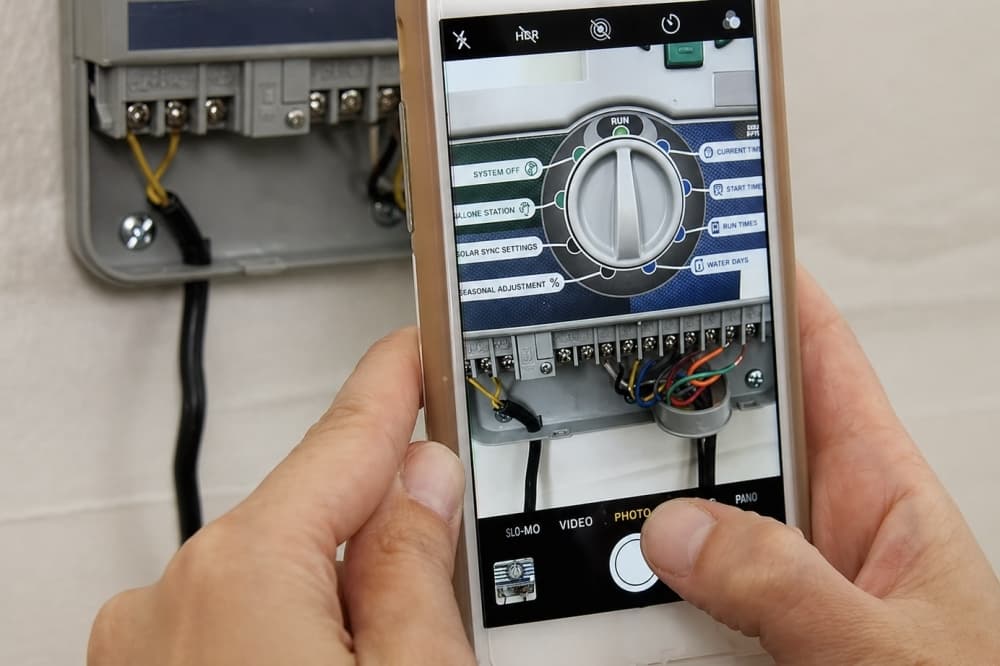
One of his areas of interest is smart irrigation systems, which use connected controllers, sensors and live data to automate watering schedules. The system takes into account environmental factors, including weather, soil moisture and temperature to adjust watering needs.
“When integrated into a smart home, irrigation becomes dynamic, improving efficiency and reducing water waste,” Sandford said.
Sandford connected with Community Impact to talk about the home automation process and further details for implementing smart irrigation systems. This interview has been edited for length and clarity.
How can homeowners use technology to monitor or control their water usage?
Homeowners can use apps and third-party automation systems to monitor usage, control schedules and receive alerts. In advanced deployments, irrigation ties into flow monitoring, leak detection, and shut-off valves, allowing real-time visibility, anomaly detection and automated responses to prevent waste or property damage.
How can people optimize their water usage by taking into consideration environmental factors, such as rain?
Smart irrigation systems ... will skip cycles during rain, modify run times based on temperature and prevent overwatering, ensuring water is only used when needed.
Why are home automation and smart irrigation controllers important for residents to consider?
They transform irrigation from a timer into an intelligent system. Instead of simply watering on schedule, the system can adapt to conditions, detect abnormal usage, and respond in real time. This reduces water waste, protects against leaks or overuse, and gives homeowners meaningful insight and control over one of their water utility expenses.
How can homeowners connect with someone to install the irrigation systems?
Homeowners should work with a licensed irrigation contractor for system design and installation, and with a home technology consultant to guide integration purchasing decisions.
What is the typical cost to invest in a smart irrigation system?
A smart irrigation controller such as the Rachio 3 Smart Sprinkler Controller ... typically retails around $400, with roughly $350 to professionally integrate it into a home system. That controller is only the brain. Additional costs come from valves, wiring, sensors, flow monitoring, and installation, which are best quoted by a licensed irrigation contractor based on system design.
What’s something you wish people knew about the work you do?
I wish people understood that our work is not about installing devices, but engineering complete systems. In high-end homes, reliability, simplicity and long-term serviceability only come from thoughtful design, proper infrastructure and integration. When done right, the technology disappears and the home simply works.