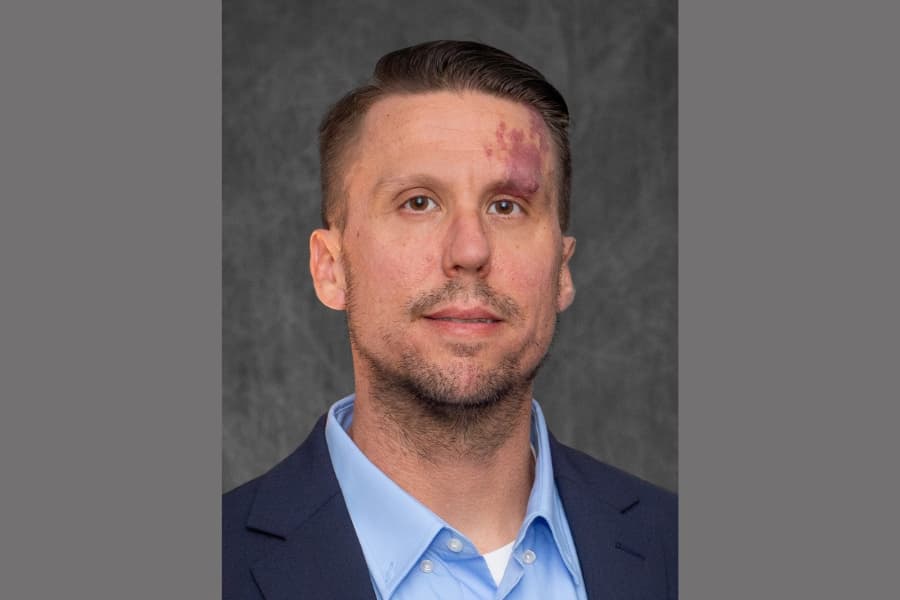
Burks Elementary School teacher Tommy Gillett was named the Region 10 Elementary Teacher of the Year for 2026, per a July news release from the district.
In this Q&A, Gillett talks about why he chose a career in education and how he has adapted to the evolving landscape of public education in Texas.
Why did you choose a career in education?
I think teaching ended up being the right fit for me because it brought together several things that mattered to me. Elementary school was probably my favorite period. I remember Toastmasters competitions, math competitions, and just playing and laughing with friends at recess. Those are some of my favorite memories.
I also wanted to do something meaningful. Before teaching, I rented cars, and while there was nothing wrong with that job, I didn’t have the same feeling that what I was doing really mattered. Teaching gave me that sense of purpose, along with a creative outlet. I love exploring ideas, experimenting, and creating.
Interestingly, I didn’t always love school. In high school and my first year of college, I was pretty disengaged. Then something clicked, and I realized I genuinely loved learning. Teaching felt like a way to combine that love of learning, creativity, and meaningful work.
What does being selected at the 2026 Region 10 Elementary Teacher of the Year mean to you?
Being selected means a lot to me because, in some ways, it’s validation. Even after years of teaching, you can still wonder, “Do I still have it? Am I still an effective teacher?” You see students grow, but sometimes things don’t work out as hoped, and you wonder what you could have done differently.
For me, this recognition is a huge confidence boost after difficult times, mistakes, and moments when I felt like giving up. I’ve learned that mistakes don’t define you as a teacher. What matters is being willing to learn from them, grow, and keep improving.
I also see this recognition as something bigger than me. It brings attention to the great things happening at my school and to the students, colleagues, and mentors who have been part of my journey. We’ve all played a part in this.
How would you describe your teaching philosophy?
I constantly ask myself, “If I were the student sitting in this class, would I want to be here?” To me, fun doesn’t mean goofing off. It means being intellectually engaged: using puzzles, word games, competition, skits, acting, and creating. I want students to imagine, experiment and create.
That connects to what I think it really means to have high expectations. I don’t think it’s just telling kids, “You can do it.” Students develop high expectations by seeing what’s possible. If I’m prepared, know the material, justify my answers, use new vocabulary, treat people with respect, and create things myself, I’m showing students that I believe they can do those things too.
Ultimately, I want my classroom to be intellectually engaging and creative, with high expectations and a real sense of ownership. I want students to think critically and make something they can be proud of.
What advice would you give to a first-year teacher?
If I were giving advice to a first-year teacher, I’d tell them that feeling overwhelmed doesn’t mean you’re doing something wrong. Being new can be intimidating, and I never felt prepared enough. I remember calling my mom in September and telling her, “I don’t think I can do this.” She told me, “You can’t quit on these kids. They’re counting on you.” She was right.
Every teacher has that moment when they wonder if they can do it. You just have to keep showing up. Nobody ever really feels caught up; they’re just more used to the feeling. I’d also remind them that a good teacher isn’t a perfect teacher. We’re better because of our imperfections. Focus on what you can control, drown out some of the noise, and don’t be afraid to ask for help. Most importantly, don’t forget why you started.
How have you adapted to the evolving landscape of public education in Texas?
Good teaching is always going to be good teaching. I think the key to adapting to change in public education is accepting that change will always happen, while focusing on what I can control: my students, their outcomes and the quality of the lessons I put in front of them.
There will always be new initiatives, trends, and priorities but certain things transcend all of that. Good essential questions never go out of style. Engaging students and finding creative ways for them to demonstrate their learning never go out of style. Neither do the values we try to instill: patience, self-control, respect, humility in victory, grace in defeat, honesty, accountability and hard work. So as education changes, I try to maximize what I can control while holding onto those constants. You adapt to the landscape, but you don’t lose sight of why you’re teaching.
How has the McKinney ISD community supported or inspired you?
I think the word I would use is opportunity. I moved to Texas in 2021 looking for opportunity, and after an interview with McKinney ISD, I was given the opportunity to work at Burks. There, I found people deeply dedicated to the craft of teaching who really believed in what they were doing.
One thing that stands out here is that these aren’t just “my students” or “your students,” but they’re everyone’s students. I’ve also had the freedom to teach authentically and had opportunities to share ideas through campus and district professional development, and the district writing design team.
Being surrounded by people doing great work inspires me to raise my own game. Receiving this recognition also comes with a responsibility to represent my school and district well. Winning is great, but it makes me ask, “What else can I do to get better?”
What are some career goals you’d like to meet in the next 10 years?
Teaching is a lot like sports: every year is a new season. It doesn’t matter what you accomplished the year before. A new group comes in, giving you a new opportunity to improve, solve challenges, and reach further.
So, honestly, my biggest goal is to continue mastering the craft. Every group is different, and I enjoy figuring out what they need and finding new ways to reach them. I enjoy sharing ideas with colleagues. Sometimes I can give another teacher one small piece of the puzzle that helps solve a problem. It’s rewarding to see that idea make its way into their classroom and benefit students.
I love developing lessons, writing, and speaking, so I’m interested in seeing where that may lead. I’m not closing the door on anything, but right now, my focus is on continuing to grow, master my craft, and see where the next season takes me.
What kind of impact do you hope to leave on your students?
I hope my students leave my classroom believing they can do hard things. I’ve heard students say, “Mr. Gillett’s class is a lot of work, but you’ll learn a lot.” When I hear that, I think, “Yeah, that’s exactly what I want.”
It reminds me of weightlifting. Sometimes you’re going for a weight you’ve trained toward, unsure you can do it. You try anyway, and when you succeed, you think, “Wow, I can’t believe I did that.” That stays with you. When something difficult comes up later in life, you can look back and think, I’ve done hard things before. I can do this.
My number one classroom rule is “Every minute counts,” because I want students to know their time and effort have purpose. Ultimately, I hope they leave with the skills, confidence, and purpose to make the most of their opportunities.