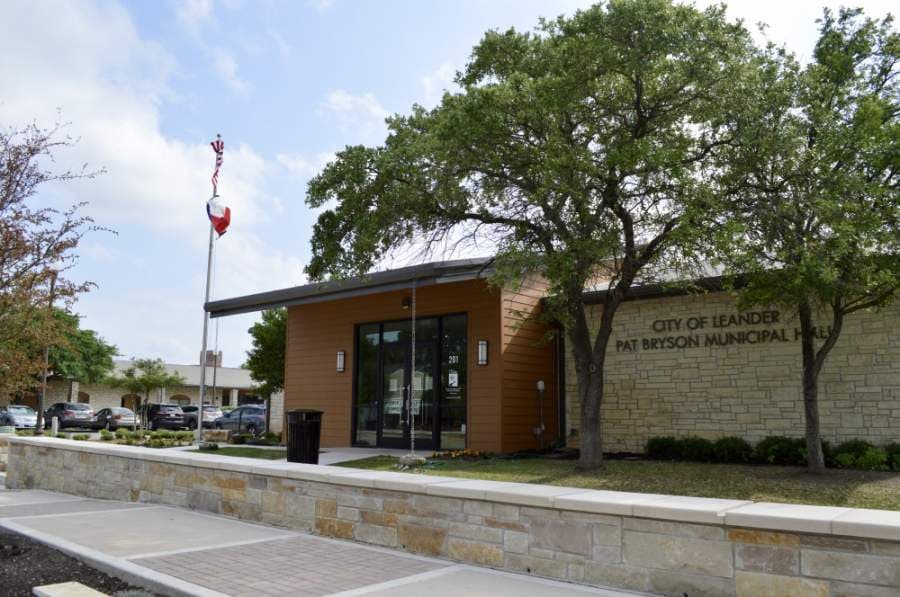
Leander Mayor Na’Cole Thompson discussed how the city is responding to rapid demographic and economic growth during her "State of Leander" address May 26. Thompson updated business leaders and community members about the city’s initiatives relating to water, economic development and transit, among other topics.
The conditions
The discussion was punctuated by Leander’s rapid growth. Between 2010 and 2024, Leander's population grew from 23,295 to 74,067, or by nearly 218%, according to data from the U.S. Census Bureau's American Community Survey's five-year estimates.
Thompson said the city is planning infrastructure for a future population of 225,000 in mind, based on an estimated 6% growth rate annually.
“When you have explosive growth like that, it is difficult to keep up with the infrastructure,” Thompson said. “No one plans for growth at that level.”
She noted that 1% to 2% annual growth is typically strong for a city like Leander, adding that sustaining double-digit increases over several years compounds quickly, resulting in a 123% population increase between 2010 and 2020.
“We are now playing catch-up on all of our infrastructure and trying to make sure we can move traffic through, in and around Leander in a safe way,” Thompson said.
Diving in deeper
On the topic of transit, Thompson described Leander as “a city of two halves,” split by US 183 and Ronald Reagan Boulevard.
Thompson said she views the city as essentially split into two sides, noting that transportation planning has long centered on north-south movement along US 183 and 183A Toll. She added that the focus now needs to shift toward improving east-west mobility toward I-35.
To address growth along Ronald Reagan Boulevard and Hero Way, the Hero Way expansion project aims to reduce congestion by widening the road while providing connections to 183A and Ronald Reagan Boulevard. The city has also invested in extending San Gabriel Parkway east toward Ronald Reagan Boulevard.
One more thing
As water remains a major concern for residents, Thompson highlighted upgrades to the city’s main resources: the Sandy Creek Water Treatment Plant and the Brushy Creek Regional Utility Authority.
“We have water, we have the ability to treat it, we just need to be able to move it better throughout the city,” Thompson said. “With the upgrades that we have done to BCRUA, we actually have water to take us through our build out of 225,000 folks and businesses.”
While the city has access to water through the Lower Colorado River Authority, recent infrastructure projects have sought to expand the city’s capacity to treat and move water, Thompson said.
Recent upgrades to the Sandy Creek Water Treatment Plant seek to increase its capacity from 9 million gallons per day to 12 million gallons per day. Expansions to the BCRUA treatment plants aim to treat up to 30 million gallons of water per day.
Beyond infrastructure and economic development, the city has also sought to advocate for itself through government channels. Last year, Leander city officials and staff began expanding communications with regional, state and federal officials to communicate the city’s priorities, including educational opportunities.
“We are actively taking a role in being a better partner with our school districts, like Leander ISD and Austin Community College, to make sure that we get things done that our residents need us to get done,” Thompson said. “One way you do that, you have to have a relationship. You have to start that not when a crisis happens, that foundation has to be built beforehand. That's what we're trying to do as a city.”
Keep in mind
Thompson noted the role of the city’s economic development department in attracting new businesses to the city while also gauging the needs of business owners.
“All the businesses that are interested in Leander, they're really interested because of the high growth potential,” Thompson said. “They're also interested because of our median income. Our median income suggests to developers that there is disposable income in our community.”
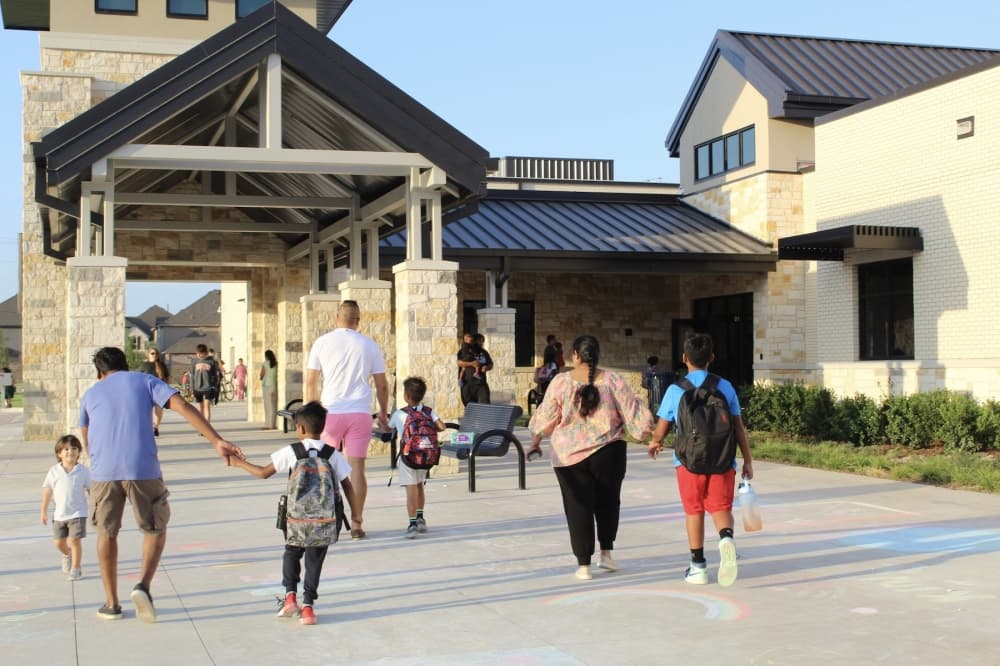
Thompson said the “largest group” of people moving is families with young children. While Leander’s biggest employers include education, health care and construction, manufacturing is emerging as a growing component of the city’s economy, she said.
In terms of recreation, Thompson celebrated the opening of the Senior Activity Center and described potential upgrades to the Leander Activity Center. Additionally, the city parks and recreation department is working to expand offerings for residents, including connecting the city’s existing trails and expanding facilities.
“What I see from Leander is just continued growth that's responsible, that's planned for, but that is welcoming,” Thompson said. “We want to be a city that welcomes that growth while we try to maintain the character that made people want to move here to begin with.”