Fort Bend ISD officials said the district is expecting a larger budget shortfall than what was projected in March.
What you need to know
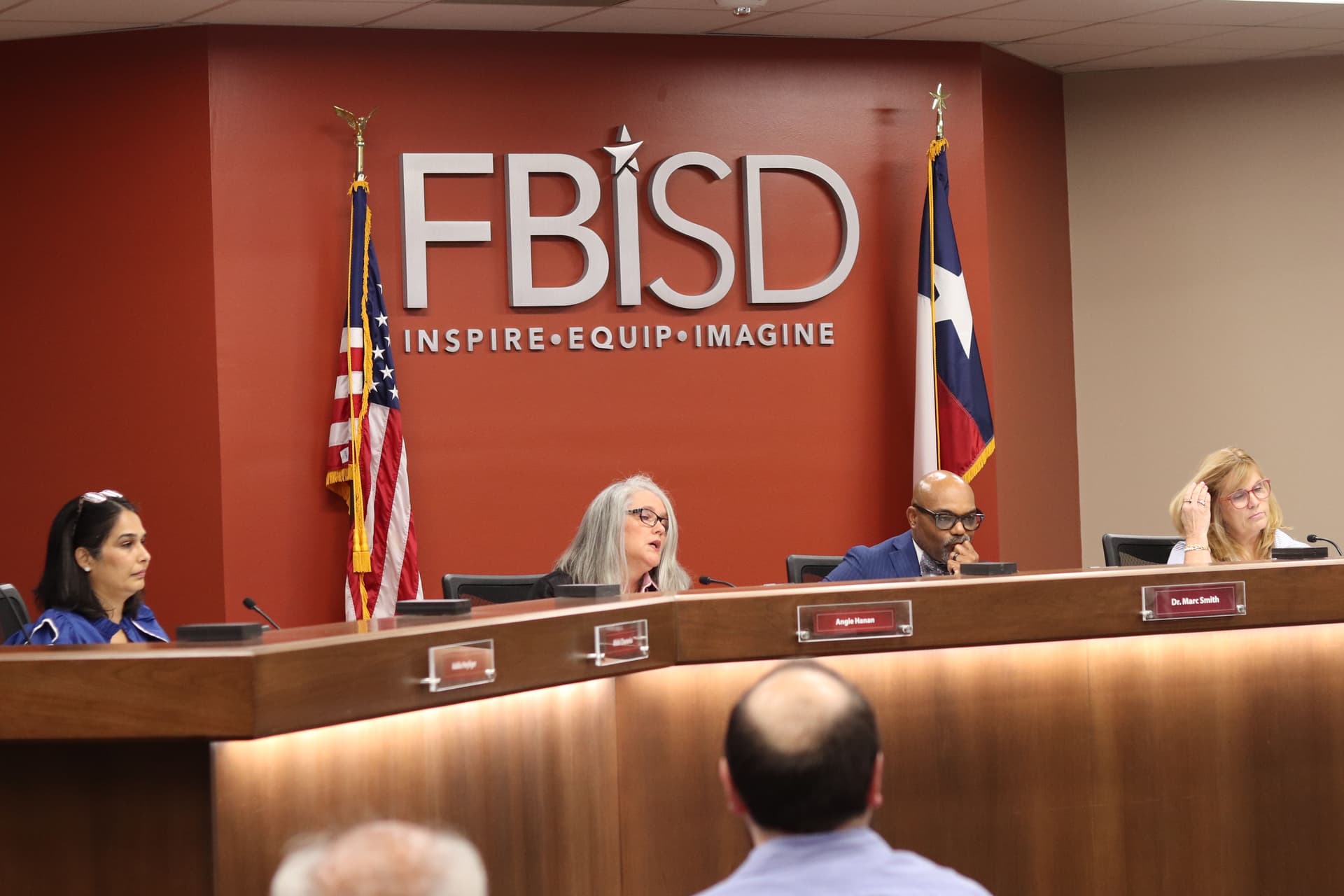
At an April 13 board of trustees agenda review meeting, Chief Financial Officer Bryan Guinn said the district is now projected to face a $47.3 million shortfall for the 2026-27 school year, a 22.86% growth from the $38.5 million figure that was forecasted in March.
Guinn said the district is still expecting the year-end projections for 2025-26 to be better than budgeted due to the deficit being addressed early in the school year. The district is holding vacant positions, monitoring spending and receiving two property tax audits, supplying FBISD with positive revenue.
The details
The increase comes from contributing $10.8 million from the general fund to the health care fund, which has faced a “consistent deficit” over the last three years, Guinn said.
The health care deficit, which is also being seen by nearby school districts, stems from medical cost inflation, high-cost claimants and a rise in prescription drug costs such as GLP1s used for diabetes management.
To help with the deficit, the district has changed its health benefits consultant from Gallagher to Alliant and re-released solicitation for its health plan administrator to potentially replace United Healthcare.
By the numbers
On March 30, the initial general fund impact to the health care fund was $15 million for the 2026-27 school year, but that estimate has grown in order to help cover the now $27.9 million health care fund deficit, up from the $16.1 million deficit for 2025-26.
“These are expected costs of claims with no changes to our provider or any benefits,” Guinn said.
In total, the health fund deficit now impacts the general fund for $25.8 million.
What it means
Guinn said due to the $14.9 million in health fund contributions for 2025-26, this year’s fund balance reserve has decreased from 106 days to 102 days.
Meanwhile, the 2026-27 fund balance reserve has decreased to 80 days from 91, which is under the 90-day operating policy.
“Although we are showing it below policy right now, we are still actively working to complete the 2026-2027 budget, and so this represents the latest information we have,” Guinn said. “The final budget that we bring forward would meet the 90-day operating reserve requirement.”
To meet the requirement, Guinn said there are several items not included in the general fund budget that can still generate future revenue for the district, including:
- New special education weighted allotments
- Savings from boundary and consolidation changes
- Results from health benefits solicitation
Also included in the deficit is a one-time cost of $6.5 million for the appreciation supplement that will be eliminated after 2026-27.
Going forward
The health benefits solicitation evaluation will be completed by the end of April, before a final budget update is given in May, Guinn said.
A public hearing, budget vote and the board’s decision on a possible new health benefits provider will take place in June.
The board is also set to vote on a tax rate in September.