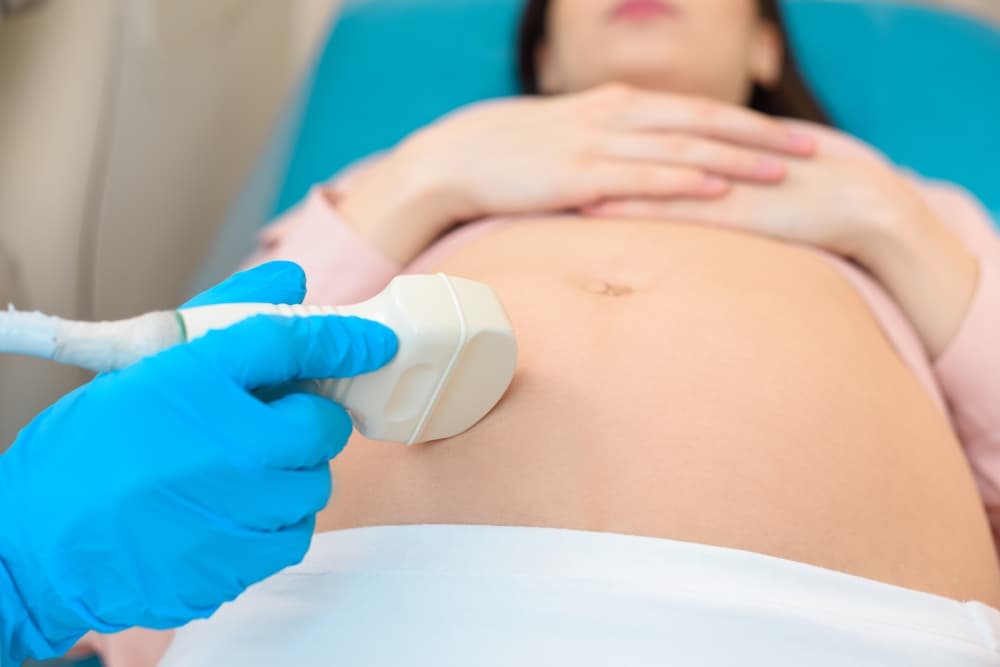
Brazos County's 2026-2028 Community Health Improvement Plan identified stronger partnerships between health care providers, schools, nonprofit organizations and Texas A&M University as a priority for improving maternal and child health outcomes. (Courtesy Adobe Stock)
A baby is born to a teen mother in Brazos County every three days, according to Healthy Futures of Texas. At the same time, the county’s overall teen birth rate is lower than both the Texas and national averages, and local health care systems continue to expand services and training programs.
The big picture
Health care leaders, public health officials and community organizations suggest maternal health challenges remain deeply tied to provider shortages, delayed prenatal care, rural access barriers and persistent disparities.
The 2026-2028 Brazos County Community Health Improvement Plan, or CHIP, identifies maternal health as a priority issue and repeatedly calls for collaboration with Texas A&M University and local health care partners to address gaps in care across the region.
Explaining early care
One of the concerns identified in the CHIP is delayed first-trimester prenatal care.
Robin Page, associate professor at Texas A&M University’s College of Nursing and director of the university’s Program of Excellence for Mothers, Children and Families, said entering care early can significantly improve outcomes for both mother and child.
“The sooner we can identify any potential risk, the better positioned we are to avoid complications further down the road,” Page said.
Early prenatal visits allow providers to conduct screenings, establish accurate pregnancy timelines, identify risk factors and begin interventions before complications develop. Those visits may also identify issues such as substance use, intimate partner violence or other health concerns that could affect pregnancy outcomes.
However, Page said getting timely appointments can be difficult even for women with health insurance.
“There's a provider shortage even here in Brazos County,” she said.
The challenge extends beyond Brazos County. While the county is not considered a maternity care desert, Page noted that most surrounding Brazos Valley counties are, increasing pressure on providers in Bryan-College Station as patients travel into the community seeking care.
The Brazos County Health District told Community Impact that roughly 18% of its clientele comes from residents outside of the county.
Dig deeper
Healthy Futures of Texas reported that Brazos County’s teen birth rate fell to 9.1 births per 1,000 teens in 2024, compared to 18.5 statewide and 12.6 nationally.
The organization noted that Brazos County is “one of just nine large Texas counties with a teen birth rate lower than the national average.”
Yet the data also reveal significant disparities. According to the report, the Hispanic teen birth rate is seven times higher than the white teen birth rate in Brazos County, while the Black teen birth rate remains substantially elevated as well.
The report also found that 19% of Brazos County children live in poverty and that 13% of young adults ages 19 to 26 lack health insurance, factors that can influence access to prenatal care and maternal health services.
Page said many barriers affect whether women enter care early, including lack of awareness about available resources, insurance limitations and provider shortages.
“If you're a high school student and you’re pregnant for the first time ... you might just have no idea even what to do,” she said.
Reach out
To address those challenges, several local programs focus on connecting expectant mothers with support services before and after birth.
Trained registered nurses begin working with mothers during pregnancy and continue supporting them until the child’s second birthday.
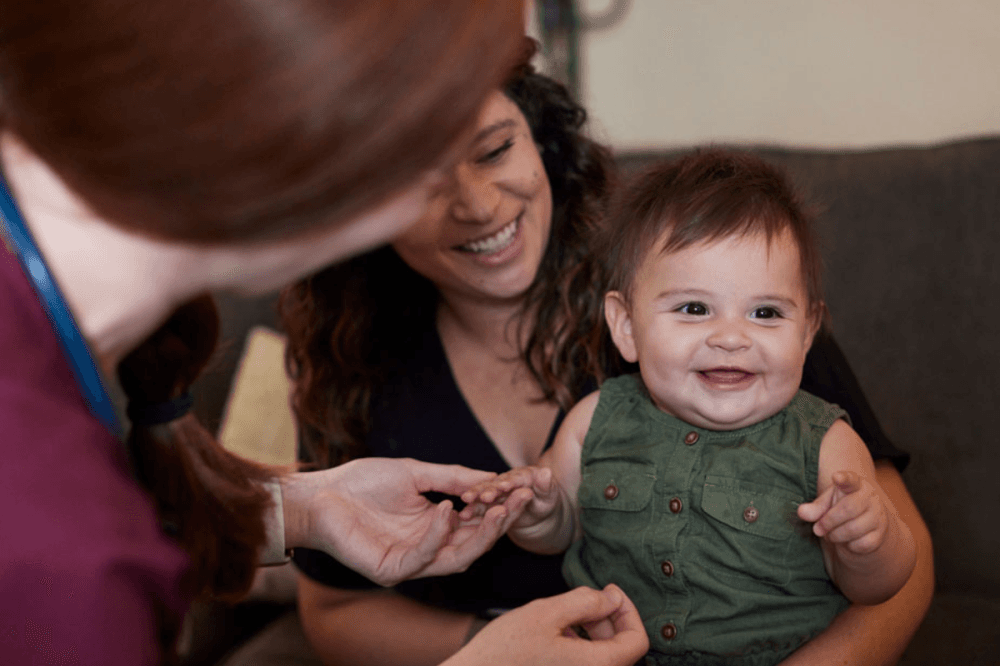
Texas A&M University's College of Nursing has been offering its Nurse-Family Partnership for more than five years. (Courtesy Texas A&M Health)
Page described the program as “almost like a pregnancy coach,” helping women understand the health care system, connect with providers and address concerns between appointments. Because participants must enroll before the 29th week of pregnancy, the program also encourages earlier engagement with prenatal care.
The program serves families in Brazos, Burleson, Grimes, Leon, Madison, Robertson and Washington counties. According to Page, the long-term relationship between nurse and mother is one of the program’s greatest strengths because it helps build trust and provides continuity of support well beyond delivery.
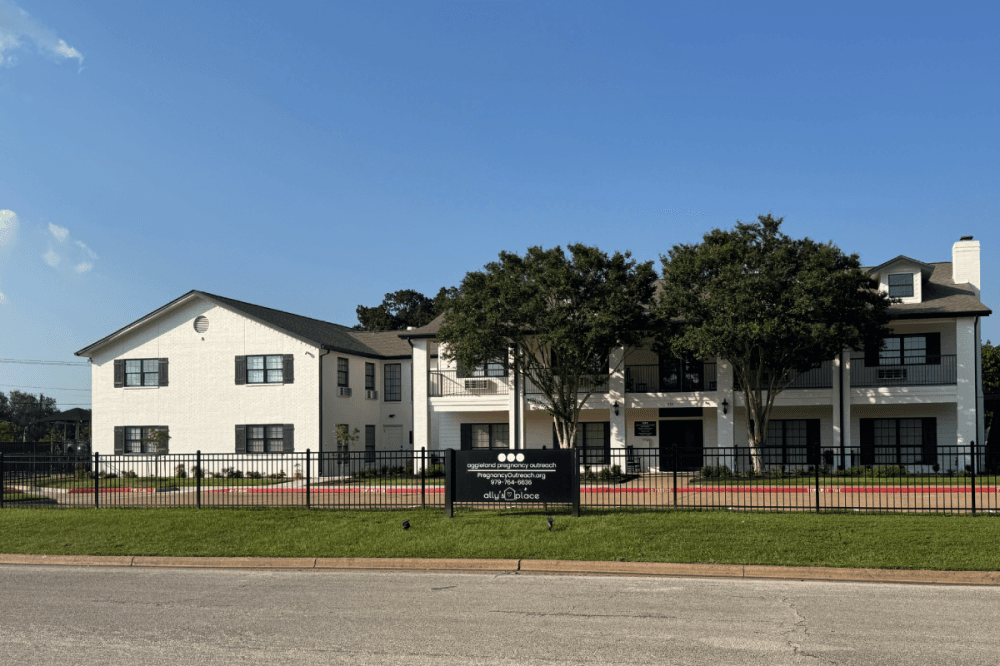
Ally's Place opened its doors November 2025, creating free housing and childcare for local student mothers. (Karley Cross/Community Impact)
Other organizations are addressing needs that fall outside traditional health care settings. Aggieland Pregnancy Outreach, which operates Ally’s Place, provides support for pregnant and parenting students, including housing assistance, material resources and connections to community services. Director of Community Outreach Andrea Buck said outreach efforts often focus on meeting young mothers where they are, particularly within local schools.
Buck noted school-based outreach remains one of the most effective ways to connect young parents with resources and practical support. She said Aggieland Pregnancy Outreach works with Bryan ISD often to bring student parents free diapers, wipes and snacks.
Ally’s Place Maternity Home has space for 10 student moms and their children ages 3 and younger, as well as three rooms for 90-day stays. They provide free housing and child care, allowing students to focus on studying and save for their next steps.
"I actually think Bryan-College Station has a shockingly good amount of resources," Buck said.
The CHIP also identified stronger partnerships between health care providers, schools, nonprofit organizations and Texas A&M as a priority for improving maternal and child health outcomes.
While no single program can address every barrier facing mothers, local leaders agree the combination of medical care, education, home-visiting services and practical support creates a stronger safety net for families throughout Bryan-College Station and the surrounding Brazos Valley.
Growing challenges
The CHIP identifies health care workforce shortages as a continuing concern, including shortages among mental health providers and other health care professionals.
Local health care leaders say maternal health cannot be separated from broader workforce challenges.
At Texas A&M’s College of Nursing, Dean Leann Horsley said demand for nurses continues to outpace supply. She estimated a 15% gap between the number of nurses produced and where the demand sits.
The college has expanded community outreach efforts, including mobile health clinics and rural training opportunities for nursing students to meet needs beyond Brazos County.
The takeaway
While prenatal care often receives the most attention, Arthur Davila, public health programs manager of the Brazos County Health District, said many families continue to face barriers connecting with services, particularly in underserved areas of the county. Through the Community Health Improvement Plan process, residents repeatedly identified access to care as a major concern and emphasized the need for stronger partnerships between health care providers, nonprofits and Texas A&M.
“Access to care is a major concern across the county,” Davila said.
As local organizations continue expanding programs and partnerships, health care leaders say improving maternal health will require sustained attention not only during pregnancy, but throughout the years that follow.