

Explained
Public Works Director Michael Leech and flood district officials gave the formal update to City Council during the West University Place City Council meeting, Dec. 8.
Construction is expected to start in late spring or early summer, Leech said, with a projected duration of 28-29 months.
The context
An estimated $36 million in project improvements will take place south of Bellaire Boulevard and going north to University Boulevard, according to the HCFCD officials.
Funding for the project is a combined effort between local, state and federal dollars, according to city officials, which includes funding from neighboring Southside Place.
“Taxpayers aren’t going to pay anything further on it,” Mayor Pro-Tem John Barnes said. “It’s already budgeted for and paid for. The money is already allocated and set to go.”
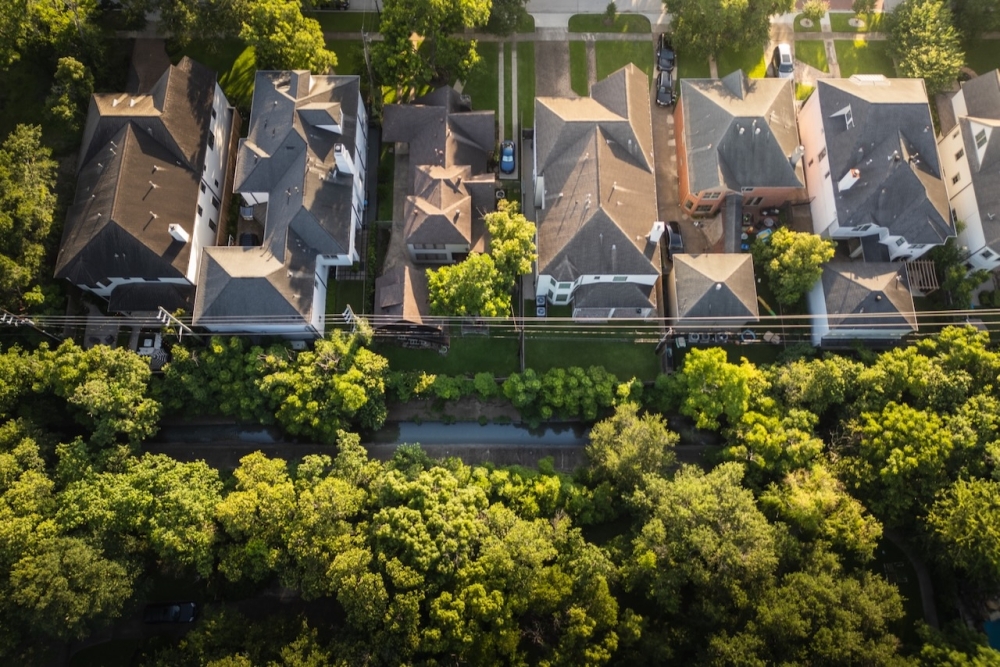
Prior to the mid-December deadline, flood district officials identified encroachment issues along the eastern side of the ditch that must be addressed for next steps in the process, including the removal of such property structures. Leech said he plans on having one-on-one meetings, as well as hand-delivering cover letters to make personal contact with impacted property owners.
“Hopefully I can make appointments with these folks and just sit down and say, ‘Okay, here is your yard. Here’s an exhibit of it. Here is showing where your fence is now, here’s where the right-of-ways are, here’s what going to be cleared and here’s maybe where we can put your fence back,” Leech said.
What they’re saying
Council member John Bertini discussed how a third of West U homes in the floodplain are drained by Poor Farm Ditch and that as decisions are being made, maintaining a high-performing flood project should be priority.
“I have a hard time explaining to those thousands of homeowners, because we’re saving one or two trees, we are doing something less than ideal for the major drain artery,” Bertini said. “So, you know, trees are wonderful, but we can do without one or two to preserve the best possible ditch.”
The project
HCFCD officials are addressing a longstanding failing concrete lining along Poor Farm Ditch and aim to reconstruct the channel with a concrete-lined trapezoidal cross section, according to agenda documents.
Design work on the human-made, concrete-lined Poor Farm Ditch has been underway since 2015, though studies into the stormwater conveyance channel date back to the 1990s, HCFCD officials said.
The waterway runs from just south of Greenway Plaza to the Brays Bayou through the cities of Houston, West University Place and Southside Place.
Poor Farm Ditch is one of the multiple flood project packages totaling at least $410 million in the county that are going to be bid in the next 12 months, according to Harris County Flood Control District’s construction bid calendar. During an Oct. 30 Harris County Commissioners Court meeting, Precinct 3 Commissioner Tom Ramsey said the flood district is also working with federal and state partners for funding.
What to expect
Here’s what to expect about fencing, yard drains and trees, according to city officials:
- Temporary construction fence along the project’s right-of-way that defines the construction zone
- Private fences will need to be removed by the county, then placed back once able
- Trees and shrubs within the project’s right-of-way that conflict with the project will have to be removed by the county contractor
HCFCD said at the Dec. 8 meeting that the county’s vegetation management team and urban foresters have already walked the site and are preparing a report on which trees to remove, while also addressing the future of a few trees that could be protected with root pruning or root barriers to minimize shock and structural impact.
What residents should know
A broader public meeting on the construction project is being planned, city official said, in January or February. Before that public meeting, impacted home and property owners will be contacted.
“This is a vitally needed project that we all have to, you know, bear some inconvenience, but it’s for a very good cause,” Bertini said. “It’s to help mitigate flooding risks.”