Houstonians paying a $5 garbage fee may see a sales tax included in the fee.
What's new
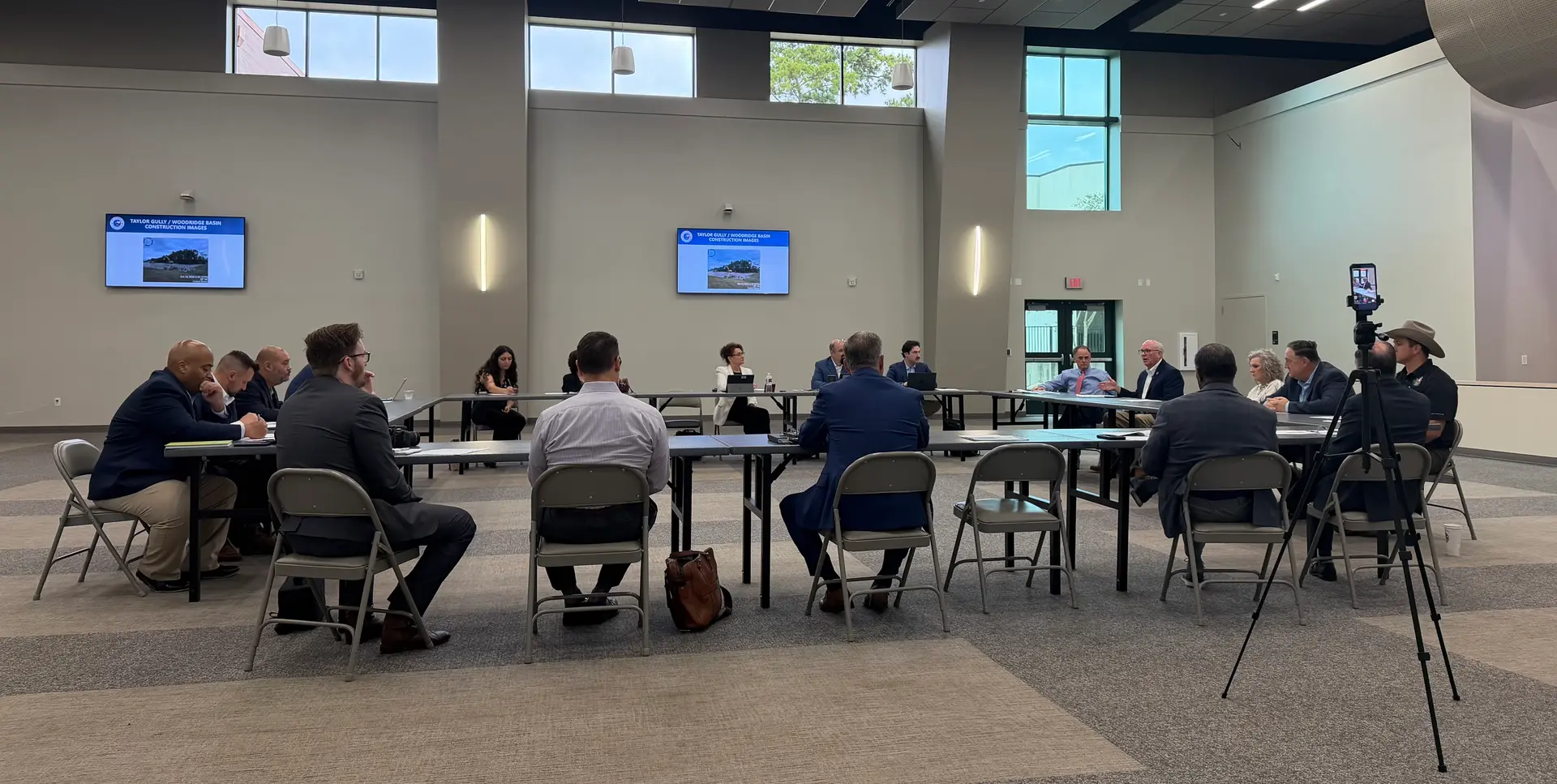
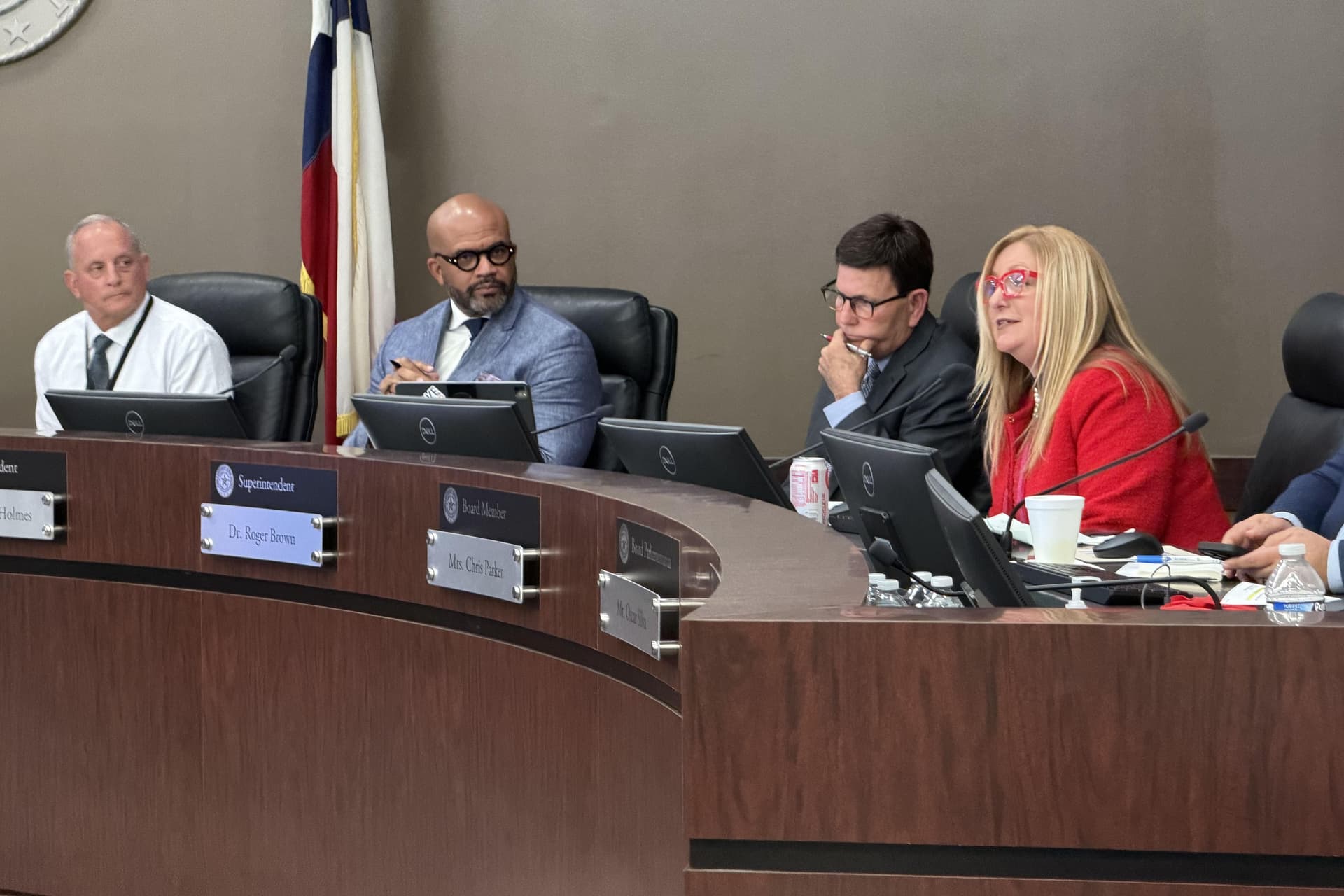
At the Sept. 29 Budget & Fiscal Affairs meeting, council member Amy Peck said she noticed a sales tax included in the $5 fee.
“In all of the briefings and models presented to us, I don’t recall us ever talking about a sales tax as being part of it,” Peck said. “The models presented to us showed $24 million yearly going to the combined utility system.”
Peck added that with the 8.25% sales tax, the fee actually would put about $22.17 million in the CUS.
A representative from the city attorney’s office said state law requires municipalities to charge a sales tax on certain services provided, including garbage fees.
“State law basically says that if you provide garbage collection services, as a municipality, you are required to impose sales tax, and then collect it, remit it to the state, which then distributes and remits it to the tax entities, including the state,” Eric Nguyen from the city attorney’s office said.
But Peck pushed back that the fee was not sold to residents as a tax, but rather as an administrative collection fee. The Texas Comptroller’s office responded that sales taxes are due when governmental entities provide garbage collection services, Nguyen said. Peck argued that the city isn't offering services, just charging an administrative fee to run the department.
Some background
In June, Houston officials passed a $7.5 billion budget for fiscal year 2026-27, which notably included approval of a new $5 administrative fee that officials said will help close the city’s budget gap and address issues with the Solid Waste Department.
The new $5 monthly fee was estimated to generate about $24 million annually and is part of the funding structure to help support moving the Solid Waste Department into the Combined Utility System, which also funds water and sewer services.
Moving forward
At the regular City Council meeting on Sept. 30, finance director Melissa Dubowski told reporters that the sales tax will now be a fixed part of the fee, which is expected to go up to $10 in FY 2028-29.