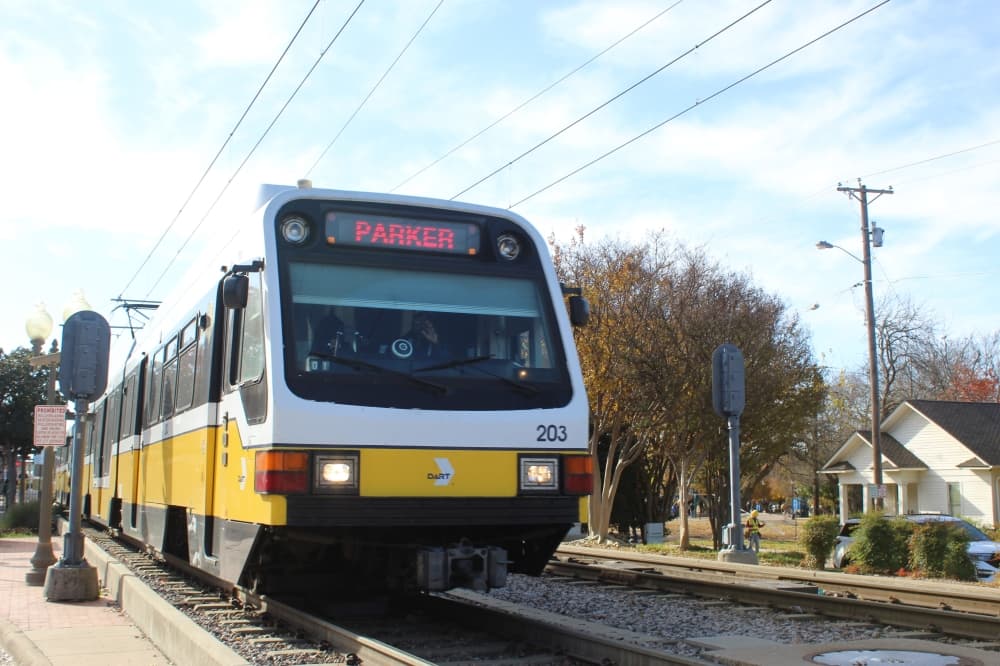
Plano City Council received a split recommendation Dec. 16 from the Collin County Connects Committee on alternative transit options as voters prepare to decide the city’s future with the Dallas Area Rapid Transit system in a May special election.
What happened
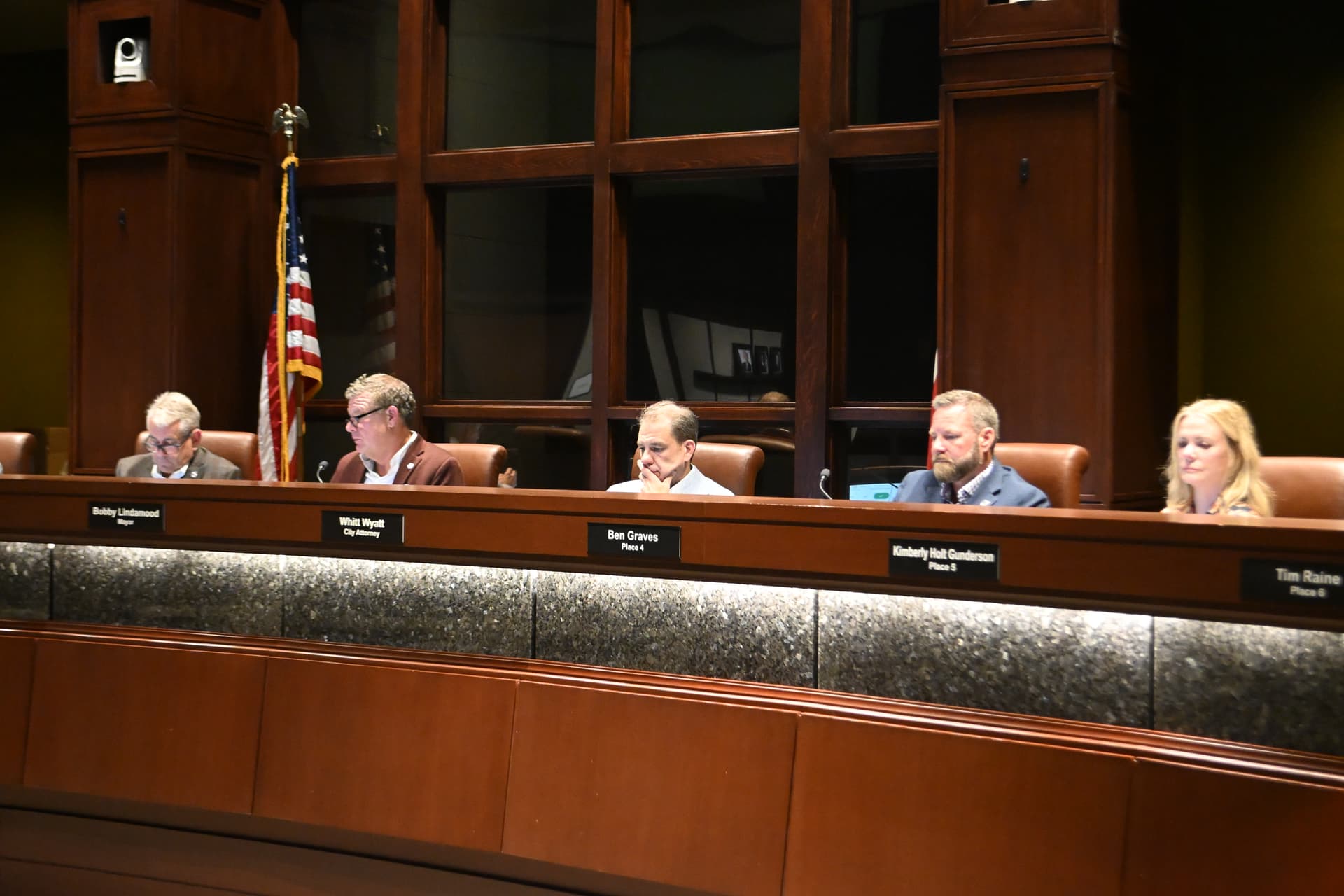
At their Dec. 16 meeting, Plano City Council members received an update on the committee’s work over the last several weeks. The citizen-led transit committee was tasked with making a recommendation on alternative transit and concluded its work without a formal consensus Dec. 11 due to questions about cost, coverage and paratransit.
Director of Policy and Government Relations Andrew Fortune said half of the committee members participated in the rankings, while the other half chose not to submit rankings, providing written comments instead.
Fortune said the three alternative services the city is currently examining include:
- Via, a one-stop-shop for microtransit and paratransit services
- RideCo, a software that coordinates with vendors to provide microtransit and paratransit services
- Spare, a software that coordinates with vendors to provide microtransit and paratransit services
Fortune noted that Spare is a vendor currently used by DART, and all three vendors have been vetted through federal and state guidelines.
Zooming in
Fortune said that regardless of the May election, city officials will be working to establish an alternative transit service in Plano.
Additionally, Fortune said Plano officials have set aside $4 million as an initial investment into alternative transit options, which all three vendors “are aware of and have communicated they are able to meet the financial constraints [of].”
During the committee’s Dec. 11 meeting, committee member Brett Cooper passed out a four-page document, detailing that the committee “has not been provided with sufficient information to make a recommendation on any of the vendors.” According to city documents, eight members of the committee signed on to the alternative report.
“We decline to make a recommendation on the vendors, as we have not been allowed to vet them in sufficient detail to reveal distinctions that would set them apart from one another or provide a basis to evaluate the financial implications of their service models,” the report states.
Some context
Plano residents will vote on whether the city should stay with DART on May 2 unless an agreement between the city and agency is met prior to March 18.
After calling the election at a special meeting Nov. 5, Plano officials formally asked DART to consider a six-year, rail-focused transit agreement as an alternative to the expected election.
The proposal details a six-year agreement under which DART would continue providing rail service and express buses in Plano but discontinue “all standard bus, demand-response and other non-rail transit services within the city” by Jan. 1, 2029.
Fortune previously said Plano officials have “repeatedly” tried negotiating to receive more Plano-specific services, submitting four reform plans dating back to last December.
He added that the city is still “working fervently” to find a successful negotiation with DART, stating that the proposal Plano submitted would include “some of those funds coming back for transit-related purposes.”
“That money is not a free check,” Fortune said. “It is transit specific.”
What they’re saying
Representatives for the business community expressed concerns about the potential impact on businesses along the DART rail, as well as for commuters who take the DART into Plano for work.
“As a business representative, I do not believe microtransit is reliable or efficient enough to meet the commuting needs of most workers,” committee member Michelle Brubaker wrote. “For job access, microtransit cannot match DART's existing bus frequency, rail service or regional connectivity.”
Committee member Nathan Adam said Dec. 16 the committee was not given enough information to "meaningfully differentiate” between the vendors, contributing to his decision to not submit rankings.
“I remain unconvinced that there will be continuity of service with the budget that you have,” Adam said. “People will be stranded if we leave DART, and I do not want to be the one who decides how.”
Several speakers at the meeting expressed concern about the uncertainty, saying they may be forced to move out of Plano to have access to DART.
DART board Chair Randall Bryant said at the Dec. 11 committee meeting that DART is still in discussions and internally reviewing the proposal Plano submitted to the agency to assess the “financial impacts and operational impacts.” Of the cities that called special elections, Bryant said the agency has only received “formal proposals” from Irving and Plano.
“This moment in time is not just about the four cities that are considering withdrawal elections,” Bryant said. “There are 13 cities that we have to make happy, ... [and] we are working very diligently to meet with all of our cities and try our best to meet the demands of our cities at the same time.”
What’s next?
Plano City Council will consider selecting a vendor Jan. 26, with alternative transit expected to be in place in mid-February or early March, according to city documents.
Fortune noted that the alternative vendor Plano moves forward with would have a six-month pilot program, coinciding with the start of the next fiscal year to allow council to evaluate future funding for the transit service.
“We will continue this conversation and further delve into the options that we have, and we plan on doing that in January,” Mayor John Muns said.
Residents can find more information at www.plano.gov/transit.