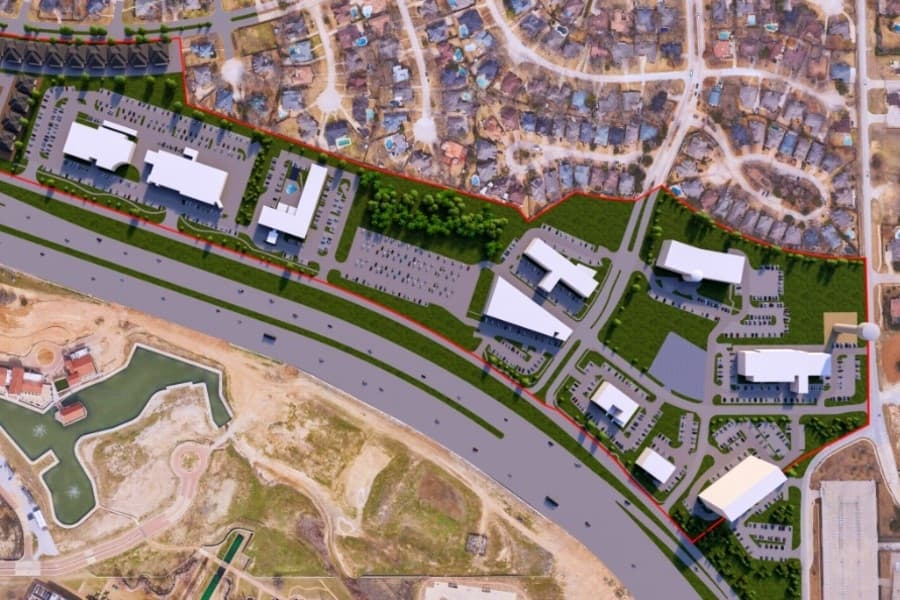
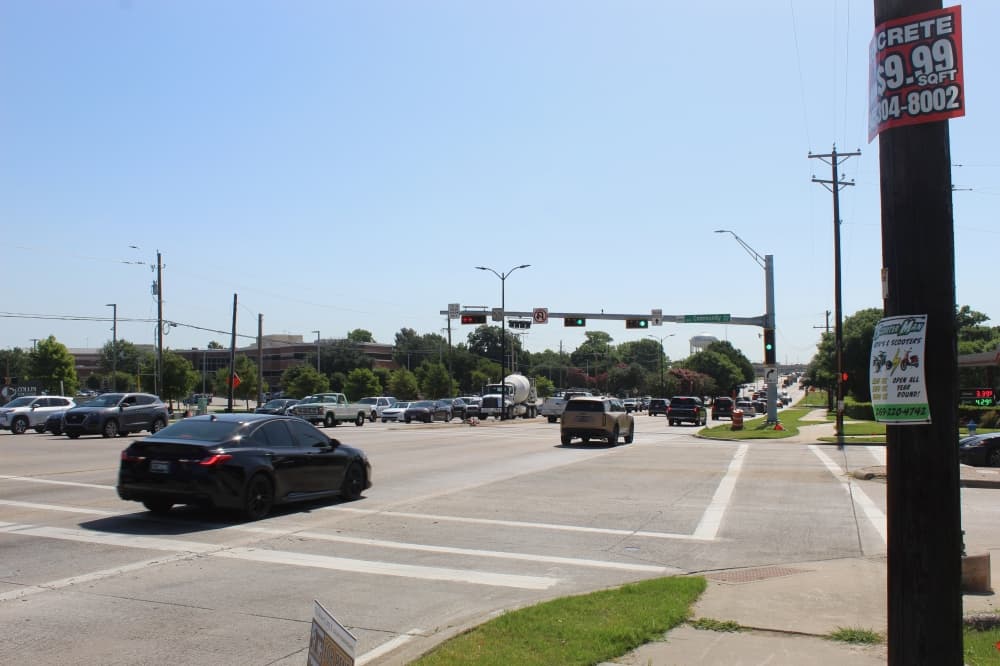
The town of Trophy Club is moving forward on a development known as The Grove at TC, a small area plan located along the SH 114 frontage road.
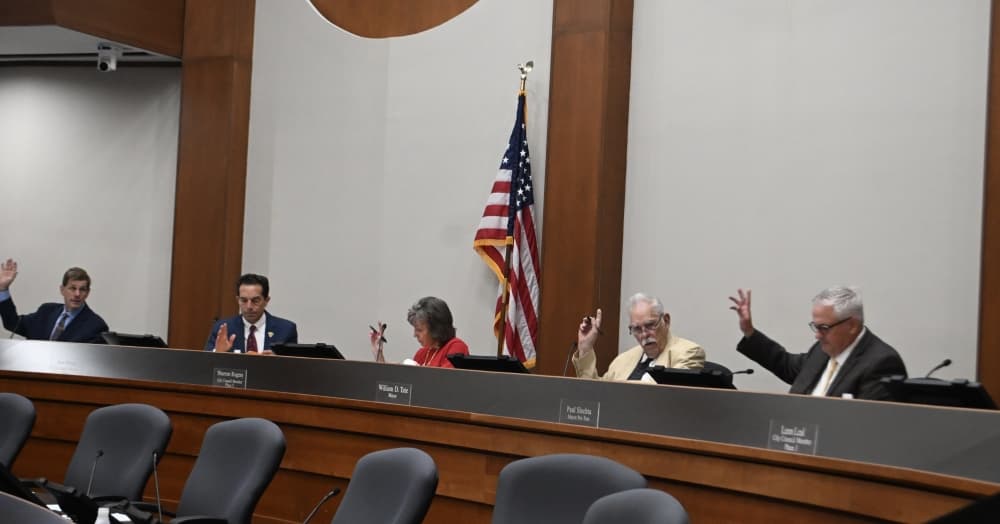
Council members voted 6-1, with council member Dennis Sheridan opposing, to award a contract to two companies run by Jason Claunch: Catalyst Commercial Inc. and Core Location Advisors, during the Jan. 12 meeting.
The contract is for promoting retail opportunities through targeted outreach to prospective developers, according to town documents.
The background
Claunch collaborated with McAdams during the small area plan, which was presented in the fall, that focused on developing land owned by the Trophy Club Economic Development Corp.
The small area plan was approved to strengthen the key business area along the SH 114 corridor, including recommended land uses and site concepts; safety and mobility improvements for drivers, pedestrians and bicyclists; streetscape enhancements and guidance for implementation; and potential funding strategies.
Catalyst Commercial will provide advisory services, while Core Location will assist with brokerage services. The contract is for $77,000, with a 4% disposition fee for brokerage services. All services must be completed within 14 months. Advisory services will be capped at $5,500 a month, unless otherwise noted, according to town documents.
Catalyst Commercial is a retail consulting, market research and brokerage firm, according to its website.
Its advisory services include:
- Developing economic activation strategies
- Analyzing commercial development opportunities
- Recommending development partners and incentive packages
- Providing other related economic development support.
Core Location's brokerage services include:
- Marketing Trophy Club Economic Development Corp.-owned properties
- Identifying marketable assets within the small area plan
- Negotiating sale prices, excluding closing services
What they’re saying“This is essentially our services to assist with marketing data and to prepare that for outreach, to help position these properties,” Claunch said. “Obviously, there's no obligation in terms of the brokerage component, but we will be procuring information, creating a data room, creating the marketing information, working with staff on prospects and outreach, and strategy. And then ultimately, if that gets to a point where there is an offer and an acceptance, there is a sequence to accommodate that.”
Those opposed
Sheridan stated he was against the proposal for three reasons.
The first was the use of the word "intermediary" in the contract. He said no one understands what the word means or why it is part of the contract. Claunch said it was a mandatory statement required by state law and a requirement to enforce transparency.
According to the Texas Real Estate Commission, an intermediary is a broker who negotiates a real estate transaction between two parties when a broker, or a sales agent sponsored by the broker, has obtained written consent from the parties to represent both the buyer and the seller.
“I’ve been in real estate for a long time,” Sheridan said. “I am a real estate broker. I have never used an intermediary and would not allow my companies to do so.”
Sheridan's second issue was that the town did not solicit bids for these services, but rather awarded them without a request for proposal. Thirdly, Sheridan felt the brokerage fee was too high.