
The Frisco City Council signed a letter of intent with an operator in November and is now moving toward an official agreement that could lead to construction of a facility as early as January 2028.
“This is what makes this whole thing work,” council member Laura Rummel said of the operator partnership.
This facility will be different from animal shelters, Rummel said. Rummel, who has been on council since 2022, has been an advocate for bringing an animal facility into Frisco.
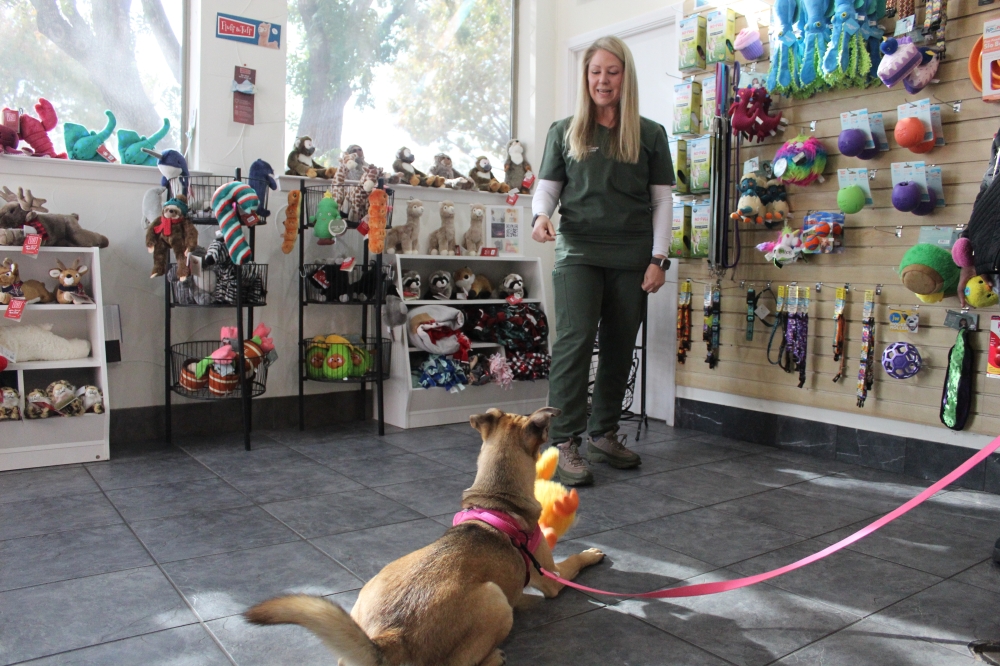
The facility will have several private partners that help operate it, including Nicole Kohanski, founder of Wiggle Butt Academy and the potential operator for the Frisco facility.
Kohanski said she wants to see the facility do community outreach and education, along with the private customer needs, such as boarding, grooming and training.
The other public portion of the facility includes short-term holding, reunification of lost pets, adoptions and veterinary services. The business piece includes dog training and boarding.
The framework
The project will be funded by the Frisco Community Development Corp. It will pay the initial $12.8 million for the site and facility development costs. The operator will then have a 20-year land and facility lease, during which they will pay about $7.7 million back in rent.
The public-private partnership allows the city of Frisco to get the project off the ground without extra taxpayer dollars, Rummel said. These partnerships have been used for facilities such as the Star and PGA Frisco.
The cause
In Frisco currently, if the Animal Services division picks up an animal, it is transported to the Collin County Animal Shelter in McKinney.
Frisco makes up 11% of the animals at the Collin County shelter, and a Frisco facility would make for a more convenient location for potential adoptions and pet reunifications, Police Chief David Shilson said at an October meeting.
“This facility is going to take some pressure off Collin County,” Rummel said.
The Collin County shelter is currently undergoing $5.7 million in renovations, after county voters approved the funding in 2023. The Frisco facility would not completely replace Collin County’s shelter services in Frisco, but instead it would be the cherry on top of the city’s animal services offerings, Mayor Jeff Cheney said.
“It’s hard to find great examples of the traditional model,” he said. “[Frisco has] a long history of thinking of things differently, trying to solve problems in unique ways, especially with private partners.”
Diving in deeper
The proposed facility would act as a holding facility before animals are taken to the Collin County animal shelter, with varying levels of time they would be held.
The big picture would be to send fewer animals to the shelter, Cheney said. For example, this will ease the burden on Frisco animal owners who have lost pets because they won’t have to drive to McKinney, Cheney said.
This will bring a higher level of services, education programs and other offerings that will bring value to the residents of Frisco but through a private operator, he said.
For many years, citizens have been asking city officials to address animal needs locally, Rummel said. Animals get out more often than people would think, and this facility is part of the answer to that problem.
Neuterings, spayings and microchippings will also likely be available, said Ken Schmidt, Frisco’s director of special projects.
The facility will have other vendors of sorts within it, including a veterinarian, trainers and more. These vendors are private businesses but cross over into the public side of operating the facility, Rummel said.
“It allows us to be able to operate a facility like this and extend animal services operations and offerings without all the manpower,” Cheney said.
Looking ahead
The agreement with the operator is expected to be considered by council in January.
“My aspirational goal is to change the way that animal facilities are done,” Kohanski said. “I don’t think they’re done well ... and I really want to see them change from being kind of reactive animal housing to being proactive.”
- November: council signs letter of intent for operator
- November-January 2026: partnership agreement to be developed for City Council consideration
- March-September 2026: facility to be designed and bidding to take place
- October-January 2028: facility to be constructed, and operating procedure to be developed