Argyle town officials are seeking to adjust impact fees assessed for new developments to help fund capital improvement projects over the next five years.
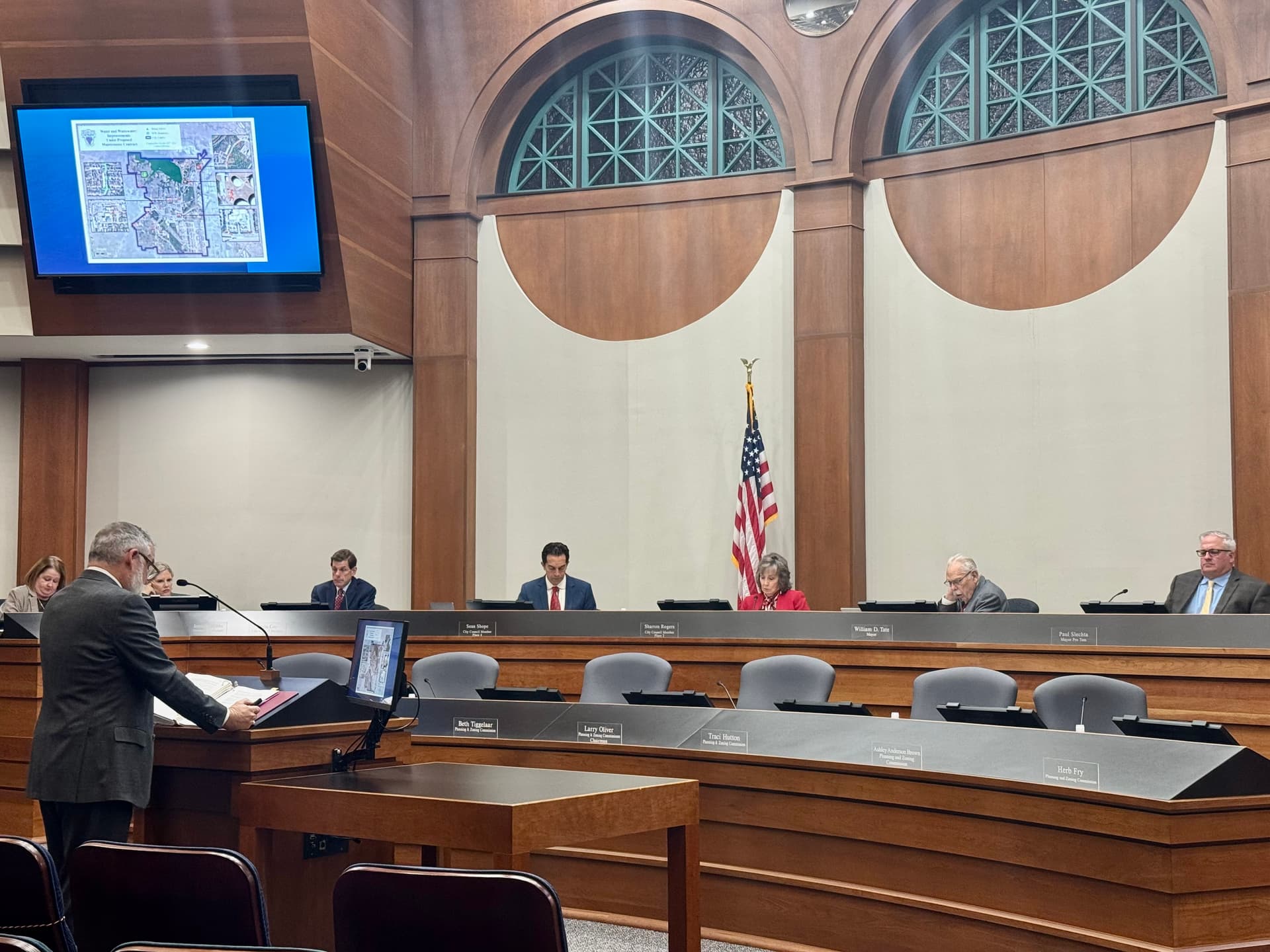
State law requires that the town have a capital improvement advisory committee to make recommendations to council on the impact fees, Community Development Director Harrison Wicks said at the Jan. 7 planning and zoning meeting.
What’s happening?
Town officials are currently seeking out residents interested in serving on the capital improvement advisory committee, and residents can apply online for a position.
“Previously, planning and zoning commissions were being used as the capital improvement advisory committee when now it's required that they [can't be] the de facto group,” Wicks said. “That's why we're looking for seven community members to apply.”
The committee is being formed to help the town update its impact fees, which haven’t been updated since 2020, Wicks said. State law requires that impact fees be updated every five years.
“Right now, the fees that we're charging are based on 2020 construction numbers and so construction has definitely increased in cost over the last five years and so we expect that fee to rise,” Wicks said.
The role of the capital improvement advisory committee is to advise Town Council on:
- land use assumptions
- the capital improvement plan
- impact fee updates related to wastewater and roadway facilities
Members of the committee will also monitor the implementation of the capital improvement plan and ensure there are no inequities with the impact fees.
Committee members must consist of at least five members appointed by Town Council, with at least 50% representing the real estate, development or building industries, according to the town's website. No member of the committee can be a town employee.
Diving deeper
Kimley Horn, an engineering and design firm, is in the process of providing updates to the town’s impact fees ordinance and the capital improvement plan, Wicks said. Kimley Horn staff will present their conclusions to the capital improvement advisory committee before the committee makes its recommendation to council.
The impact fees, which include fees for roadways and wastewater, are one-time fees given to developers for new infrastructure, Wicks said. The fees help recover infrastructure costs required to serve future development.
“State law requires that impact fees be spent within a certain amount of time or be refunded to the property owner,” Wicks said. “Our ordinance right now from 2020 says that if we don't use the funds within 10 years, then they get refunded back [to the developer].”
According to town documents, impact fees can be spent on:
- Construction of capital improvements, including road repairs that are included in the impact fees capital improvement plan
- Survey and engineering fees
- Land acquisition costs, including court awards
- Debt service of the impact fee capital improvement plan
- Planning studies
What's next?
The capital improvement advisory committee members will be selected at the Jan. 20 council meeting, Wicks said.
In March and April, town officials will review traffic calming recommendations and the thoroughfare plan, which is a plan for specific roadway projects and improvements the town intends to pursue. The thoroughfare plan is scheduled to be approved in May, and updated impact fees will be approved in September.
The capital improvement plan will be created in May or June, per town documents.