The Texas Department of Transportation manages over 200,000 miles of state highways. Roughly 72% of all vehicle travel in the state occurs on TxDOT-maintained highways, TxDOT Executive Director Marc Williams said.
As Texas’ population continues to grow, so does “demand on our transportation systems, from busy urban corridors to rural communities,” Williams told lawmakers during an Aug. 17 hearing held by the Texas House Transportation Committee.
“[There are] higher expectations on us and our system for safe and reliable systems that are ready for the future,” Williams said. “While this growth is a blessing and reflects economic opportunity [and] thriving communities in a state where people and businesses want to be, it also brings responsibility that our transportation system has to work harder than ever. ... We must deliver improvements that meet future needs while keeping today's system safe and reliable.”
More than 11,000 TxDOT projects are currently in the works, according to the agency’s website. All TxDOT projects can be tracked here.
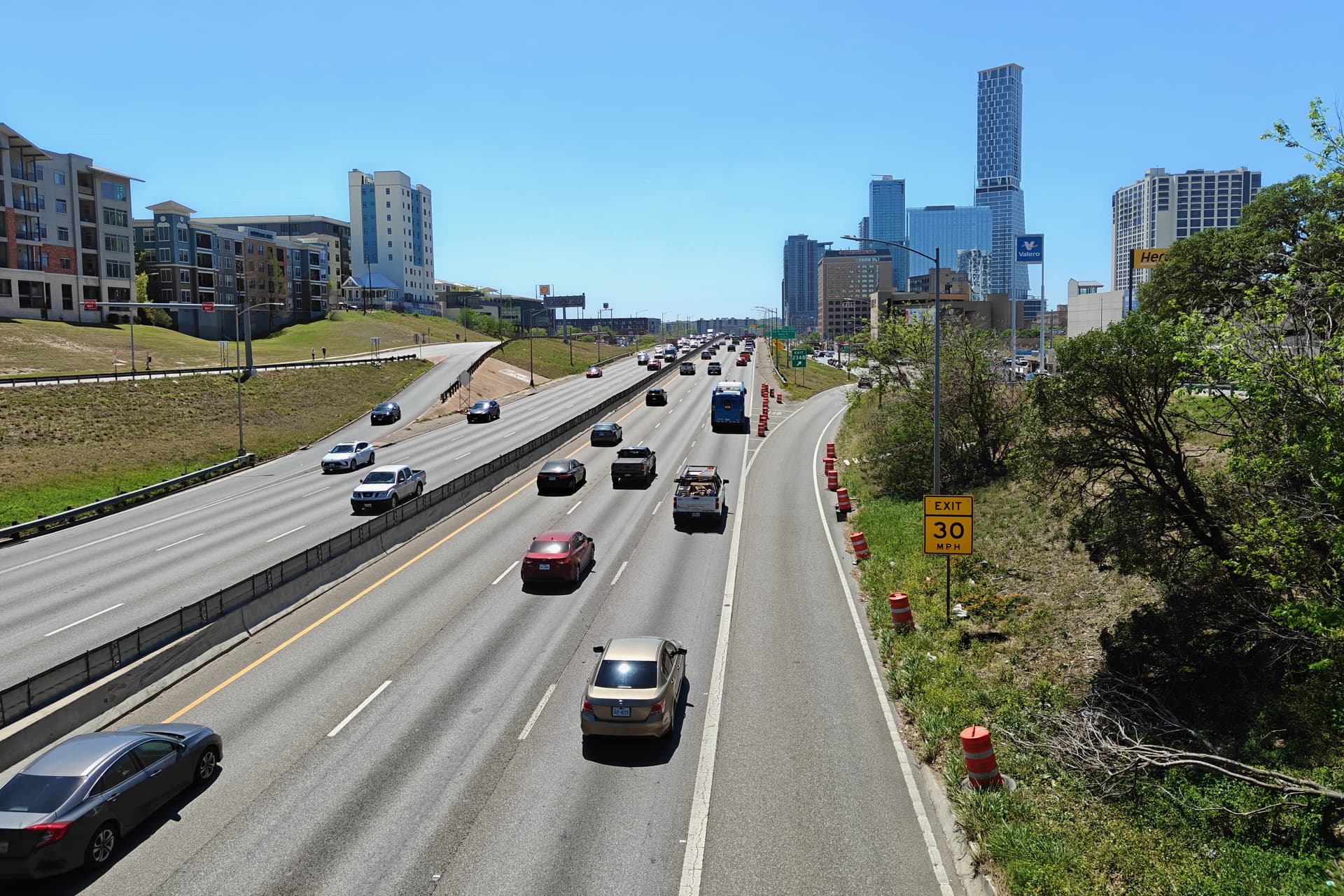
Amid major construction projects and highway expansions, some state lawmakers are encouraging transportation officials to improve outreach to motorists when roads, lanes and exits are closed or adjusted.
What’s happening
To keep motorists informed about road construction, TxDOT collects public input during the project planning process, then conducts outreach on social media, on project websites and through email notifications before and during closures, according to Eric Lykins, TxDOT’s senior director of district operations. The agency places electronic message signs on roadways ahead of closures or detours, he said.
TxDOT also works with city and county leaders to ensure highway closures do not conflict with major local events that may increase traffic flow, Lykins said.
“TxDOT typically gives at least one week's notice of a closure or detour that will affect the driving public,” Lykins said during the Aug. 17 hearing. “Unplanned emergencies such as vehicle crashes, flooding or damaged utilities may necessitate closures with little or no notice.”
Zooming in
Members of the House Transportation Committee noted that many drivers rely on mapping apps, such as Google Maps, Apple Maps or Waze, for information about road closures and detours. They asked the state to coordinate with those companies to ensure Texans are receiving the most up-to-date information.
Lykins said TxDOT posts construction limits, road closures and other traffic information to its highway condition portal and app, DriveTexas. Mapping systems then use that information to update their maps “multiple times a day;” however, there are not “real-time, immediate [updates],” he told lawmakers.
Lykins encouraged Texans to download the DriveTexas mobile app, although some lawmakers said they had not heard about the app before the hearing.
“I think for safety reasons, for all Texans, if you can push to see if your folks can work with Google Maps and Apple to see if that can be updated in real time—a lot of folks, including us up here, we didn't even know that you know TxDOT had this other mobile app that would show the closures,” said Rep. Eddie Morales, D-Eagle Pass. “I'm downloading it right now, but I think it would be really helpful for a lot of Texans if we could find a way to collaborate and work with Google Maps and Apple Maps.”
Lykins said he thought the agency should also “push [DriveTexas] a little bit more.”
Rep. Pat Curry, R-Waco, said he’d received “conflicting information” from various TxDOT staff regarding their ability to communicate with Google, Apple and Waze’s mapping platforms.
“I know you don't know the answer at the moment, but I'd like for you to go back and have someone pull together: What have you done on that [communication]? What is your current process and procedure for that? And what is the plan to improve that in real time?”
Lykins agreed to do so. The Texas Legislature is not currently in session, meaning legislators did not consider any bills or policy changes during the Aug. 17 hearing. Instead, interim hearings like this one are used to help committees gather information and organize their policy priorities ahead of the next legislative session, which begins in January.