As the 2026-27 school year nears, the number of people selected to participate in Texas’ education savings account program has topped 100,000.
What you need to know
To date, just over 102,000 students have been accepted into the Texas Education Freedom Accounts program, which gives families state funds to send their children to private schools or homeschool them. Those accepted this week include about 4,100 students from low-income families, the state comptroller’s office said in a June 10 news release.
However, being awarded funds does not mean a student is guaranteed to be able to use that money at a participating private school this fall.
Over 2,600 private schools have been approved to accept TEFA funding alongside hundreds of tutoring groups, therapy centers and other service providers, per a map on the program website. Unlike Texas public schools, private schools are allowed to reject students, and state law does not require schools participating in the program to accept all interested families.
Accepted families can also use state dollars for homeschooling. Nearly one-third of those accepted through June 10 indicated they planned to homeschool their participating children, according to the comptroller’s office.
State lawmakers created the $1 billion program in 2025, and students are currently being accepted for its inaugural year.
Students with disabilities can receive up to $30,000 each in TEFA funding, depending on their individual needs. Other accepted students will receive $10,474 each to spend on private school tuition and related expenses, or up to $2,000 for homeschooling.
Something to note
Families accepted into the program have until July 15 to do one of the following:
- Confirm enrollment at a private school involved in the program
- Notify the state of their homeschooling plans
- Opt out of the program
Once families confirm their plans, state funds will be deposited into their TEFA accounts as soon as July, the program website states.
About 2,000 previously accepted students have opted out so far, the comptroller’s office said. The total count of accepted students does not include those who bowed out.
Zooming in
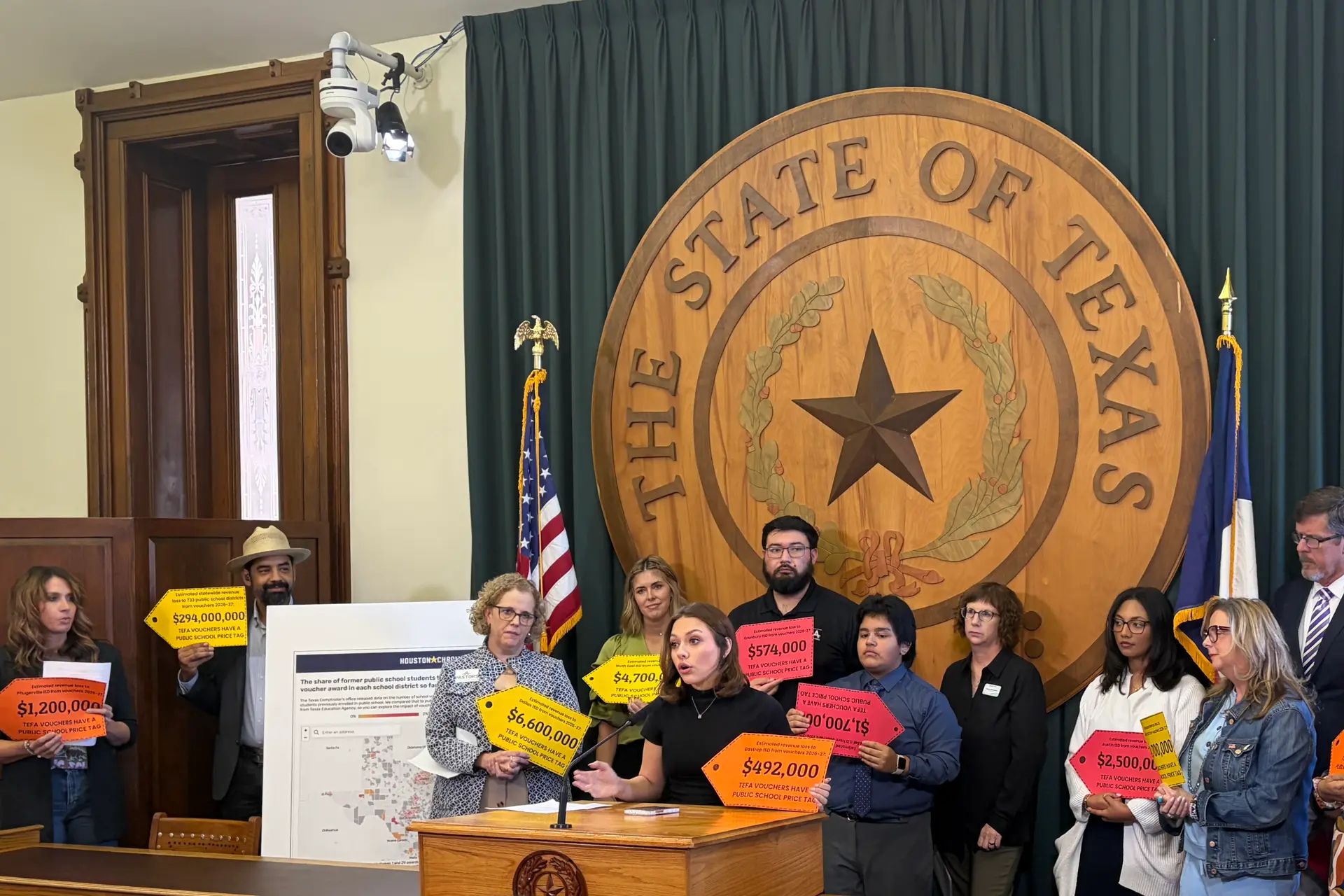
Republican state leaders and other proponents of the program have said it will expand educational opportunities for students who are not receiving the services or support they need in their local public schools, including those who cannot afford to pay for a private education. Critics have expressed concerns that the program will unfairly benefit students already enrolled in private schools and divert funding from public schools facing financial challenges.
Over 274,000 students applied for the program, and about 248,000 were deemed eligible, Community Impact previously reported. With demand exceeding available funding, applications have been prioritized in the following order:
- Tier 1 includes students with disabilities whose annual household incomes are at or below 500% of the federal poverty line—about $165,000 for a family of four—and their eligible siblings.
- Tier 2 includes children with household incomes at or below 200% of the federal poverty line, which is about $66,000 for a family of four.
- Tier 3 includes families earning between 200%-500% of the federal poverty line.
- Tier 4 includes families above 500% of the federal poverty line.
Applicants in the third and fourth tiers should not expect to be accepted into the program for the 2026-27 school year, the comptroller’s office previously said.
About 43% of accepted students attended a Texas public school during the 2024-25 school year, state data shows, while 57% were enrolled in a private school or homeschool that year.
Dee Carney, who leads a watchdog group called the Texas Center for Voucher Transparency, previously told Community Impact that she was interested to see if Texas would “follow the pattern we've seen in other states” once families are accepted and begin using program funds. In several states with similar programs, enrollment data shows that a majority of participants were already enrolled in private schools when they joined the program.
Looking ahead
Texas has the largest program waitlist in the nation with more than 144,000 eligible students waiting to join the program, according to the comptroller’s office. Nearly 13,000 waitlisted students are from low-income families.
Some state lawmakers have indicated that they want to increase state funding for the TEFA program during the 2027 legislative session. The current state budget includes $1 billion in program funding for the 2026-27 school year, with the nonpartisan Texas Legislative Budget Board previously projecting that demand would drive lawmakers to expand the program to $3.3 billion by 2028 and $4.8 billion by 2030.
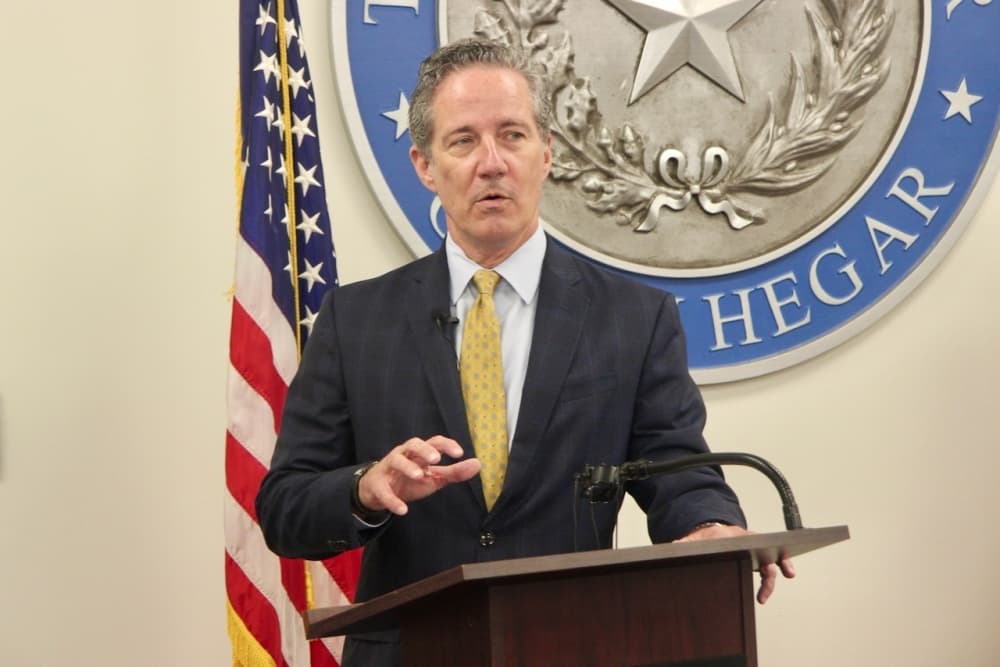
“Our history-making progress bringing school choice to Texas continues,” acting Texas Comptroller Kelly Hancock said in a June 10 statement. “Our office is working diligently to ensure that as many families as possible are able to join this program in its first year as we manage the longest school choice waitlist in the country.”