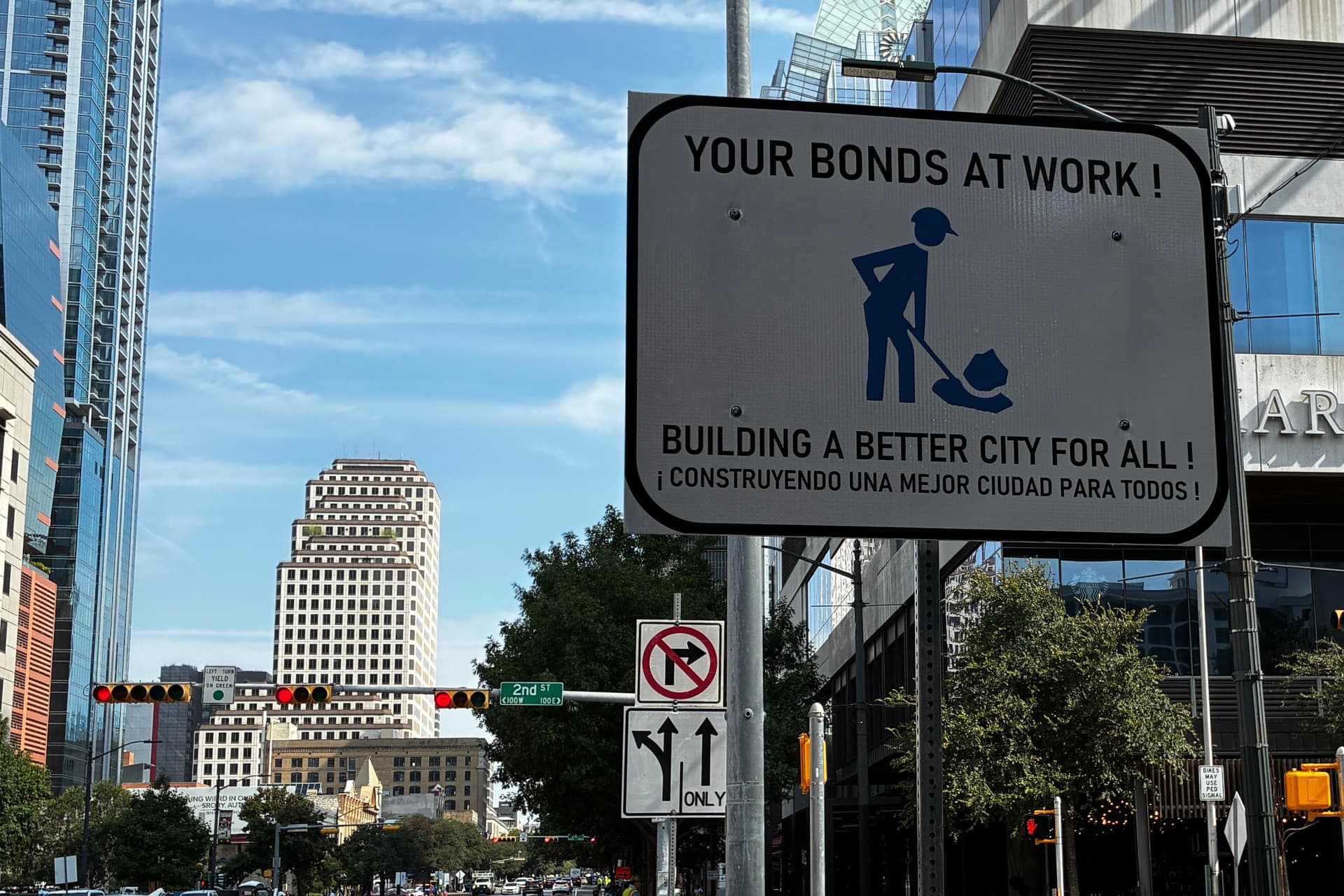
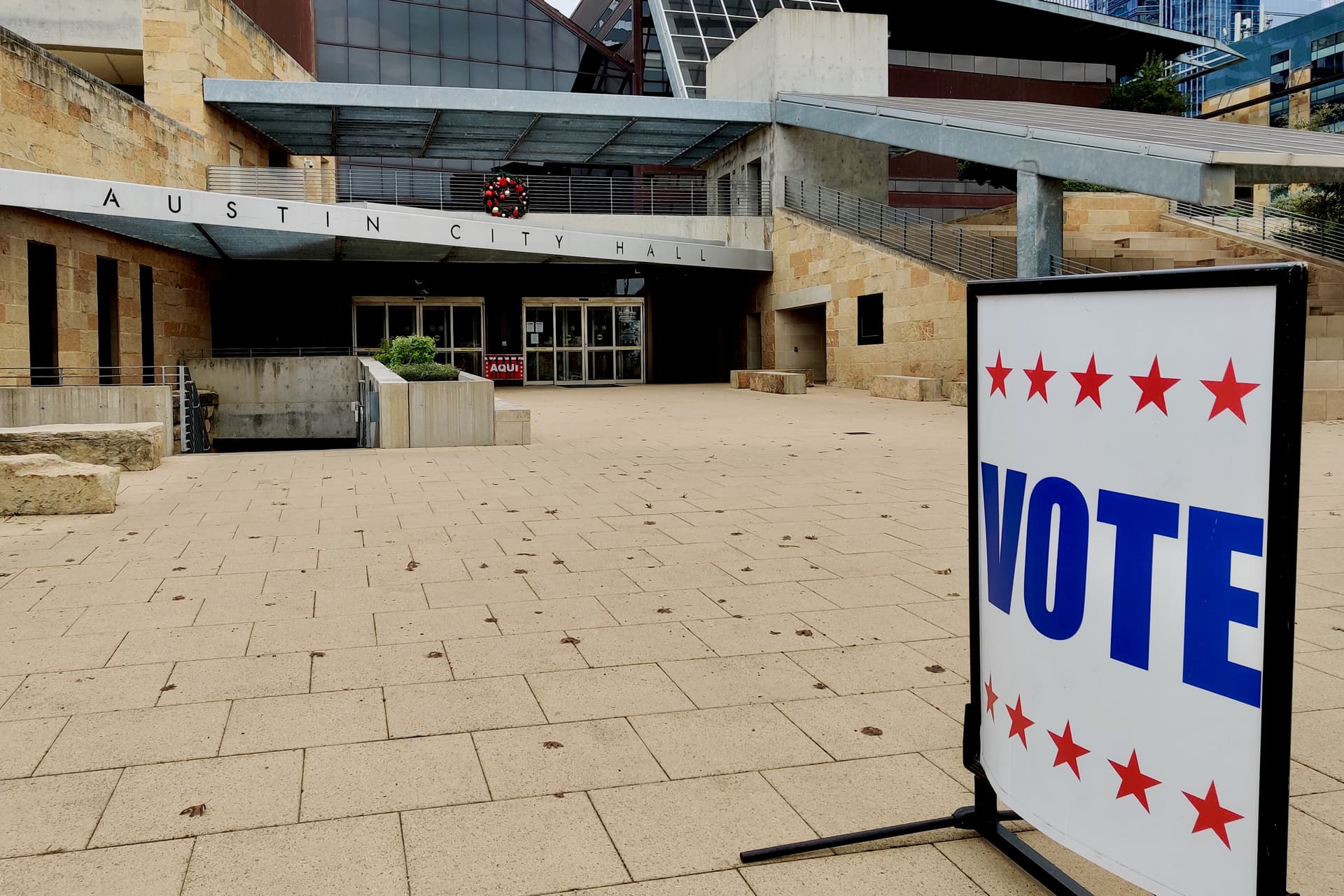
Austin City Council approved a resolution Oct. 8 directing city staff to plan the city’s next comprehensive bond elections for fiscal years 2028 and 2034, aiming to return Austin to a six-year bond cycle.
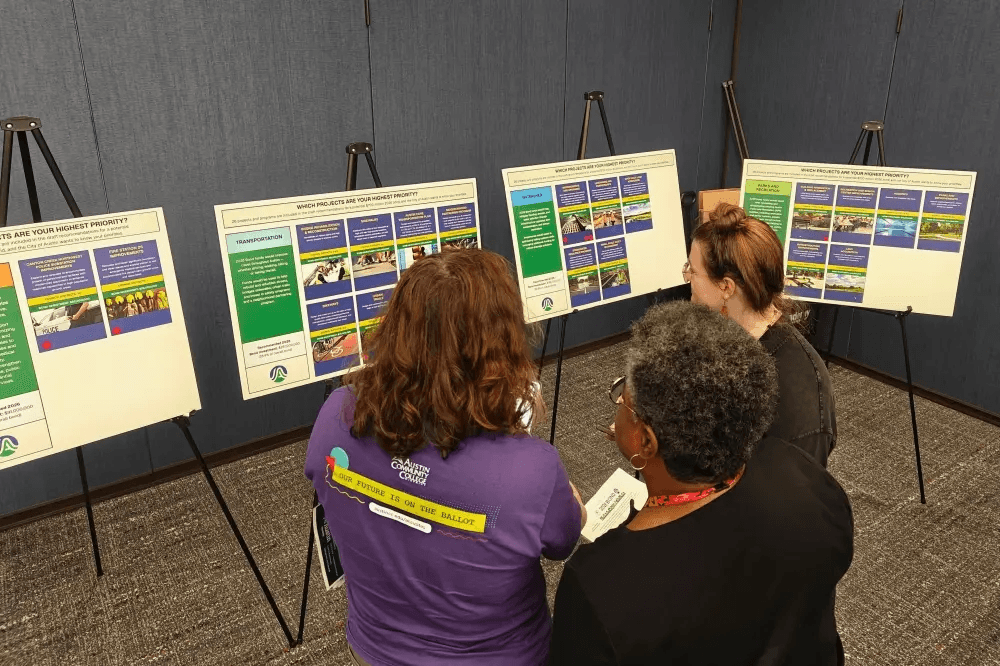
The resolution passed less than a month before voters decide on $295 million in parks and library bonds on the Nov. 3 ballot.
The details
Bonds let the city borrow money for projects such as parks, roads and libraries. A comprehensive bond package covers many types of projects at once.
The planned packages would cover transportation, parks, affordable housing, libraries, public safety and drainage, per the resolution. Specific projects, amounts and election dates haven’t been set, and voters would still have to approve each package.
Between elections, the city could still issue certificates of obligation, a type of debt the council can approve without an election, to repair existing facilities.
The city manager must keep a long-range bond schedule and report to the council each year, including how much voter-approved bond money the city hasn't borrowed yet.
Cost to the taxpayers
Bonds are repaid through property taxes. Every $100 million borrowed costs a typical homeowner just over $14 a year, and the city has almost $2.4 billion in outstanding debt, Community Impact reported in August.
City finance staff expect debt-related taxes to keep rising into the early 2030s, according to the same report.
How we got here
Austin used to hold comprehensive bond elections about every six years, including in 2006, 2012 and 2018, according to city records. In between, voters increasingly approved single-topic bonds, such as transportation in 2020 and affordable housing in 2022.
City staff had recommended pushing this year's bond election to 2028, Community Impact reported, but the council called an election for November.
Council Members Marc Duchen, Ryan Alter, Krista Laine and Mayor Pro Tem José "Chito" Vela sponsored the six-year cycle resolution.
Learn more
Residents can track spending from past bonds on the city's new bond dashboard. Of the $2.45 billion voters approved in 2016, 2018, 2020 and 2022, $1.72 billion has been spent, Community Impact reported. Election Day is Nov. 3.