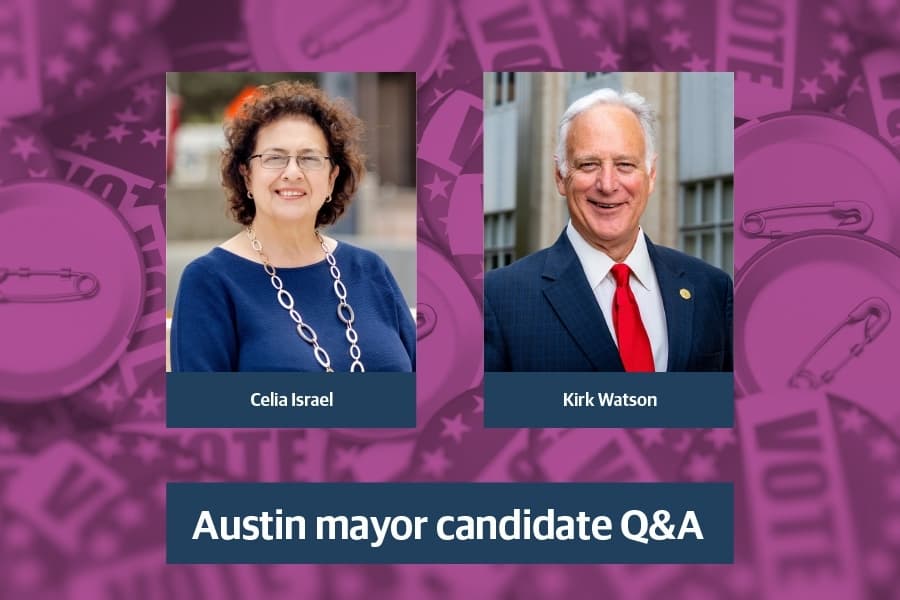
Why do you believe you are the best fit for this office? What kind of voice would you bring to the council dais?
I have a reputation for having an open door and open mind, and I have the experience and tenacious leadership to help us find common ground at every opportunity. I will have respect for our 10-1 system and the individual interests of my council colleagues, as they each represent a unique part of Austin and have special insight into the community. I want to support them and help them tell their story in their districts.
How would you work to tackle the issue of housing affordability for both renters and homeowners in the city?
The city can creatively utilize city-owned land that currently sits vacant and collaborate with regional partners to build deeply affordable housing and workforce housing to rent and own. We can make it easier to build “missing middle” housing and seek creative partnership opportunities to repurpose outdated parking lots for new infill housing. We must have greater rental assistance and home repair support to prevent displacement and speed up city processes for all housing options.
How safe do you believe Austin is today? Do you think any funding, staffing or operational changes are needed in the city’s public safety departments?
Public safety is every city’s greatest responsibility and greatest expense. I’m concerned about the growing vacancies in 911 operator positions and the impact this has on the quality of public safety services. We must provide the competitive salary and benefits necessary to fill these vacancies. We should continue Austin’s tradition of paying our police high wages while also expecting high standards of conduct and a transparent and robust oversight process to ensure community trust.
How do you believe city resources should be used to address homelessness? What do you see as the most effective policy options to get people services and housing?
The city has a moral duty to address homelessness. We have all seen Austin’s unhoused population rise, and we must react with compassion and urgency. Austin is in need of more wraparound services, substance abuse treatment, and mental health support. We have an opportunity to improve coordination with the county, as well as provide our qualified nonprofit partners with streamlined support from the city and allow them a greater voice in regional planning efforts.
What challenges or needs related to the overall city budget and property tax rate do you anticipate facing during your term? What fiscal strategies would you bring to the table to address those?
We must be very sensitive to the impacts future city budgets may have on those who are already so close to being priced out. Our next council will face the challenge of maintaining quality city staff and will need to prioritize salary and benefits to prevent brain drain. In my administration, affordability will be a standing discussion item during each council work session, and we can more critically look at the incentives provided to major corporations.
What aspects of the city’s land development code, if any, would you propose to review? How do you believe council should handle Austin’s ongoing growth and its existing neighborhoods, from individual zoning cases to broader policy updates?
We must update our outdated land development code comprehensively, but in the meantime, we must move forward today with policy changes that will combat sprawl and increase housing supply and housing choice. We must provide new housing opportunities of all types in all parts of Austin. We can allow more housing on and near transit corridors, streamline processes for small multifamily projects citywide, and incentivize more density while also preserving existing homes.
How should council address the implementation of larger transportation initiatives including the I-35 expansion and Project Connect? What safety and mobility improvements would you propose for city roadways and bike/pedestrian routes?
At this critical time for the future of our transit system, we must create the greatest connectivity citywide without adjusting the expense approved by voters. We must improve I-35, but I cannot support the current project, which would construct 20 lanes through the heart of Austin. We must work with TxDOT to improve connectivity without expanding its footprint. We should fully embrace transportation safety initiatives to reduce fatalities and create connected streets for all modes.
Austin has weathered several disasters in recent years. How would you rate the city’s response to such incidents and what changes, if any, would you propose for civic emergency management operations?
Between COVID and multiple cold weather events, the gaps and inequities in our emergency response system have been laid bare for us in recent years. The swift buildout of a resiliency hub network will be critical to providing all corners of Austin with necessary food, shelter, and resources during times of emergency. This program will need a robust education and community engagement plan, along with extensive community partners at the table to support it.
What is your familiarity with Austin City Council meetings and city governance processes?
I am very familiar with city processes. I’ve served on four boards and commissions at the City of Austin and I’ve worked in advocacy on issues at the city level throughout my career. Additionally, I’m a Realtor who understands the hurdles currently in place when navigating the necessary inspections and permitting at the City.
How would you promote accessibility, transparency, and trust between City Council and the public?
If only some Austinites have easy access to their government, but not all, then we are not doing right by our constituents. I want a robust public engagement from the city that considers Austinites of all council districts, abilities, languages, work schedules, and childcare needs. Additionally, I want to be out in the community whenever possible and directly accessible. Only with greater access and transparent communication can we create a government that works for all.