A sobriety center may soon open in Austin more than 15 years after initial interest in the project.
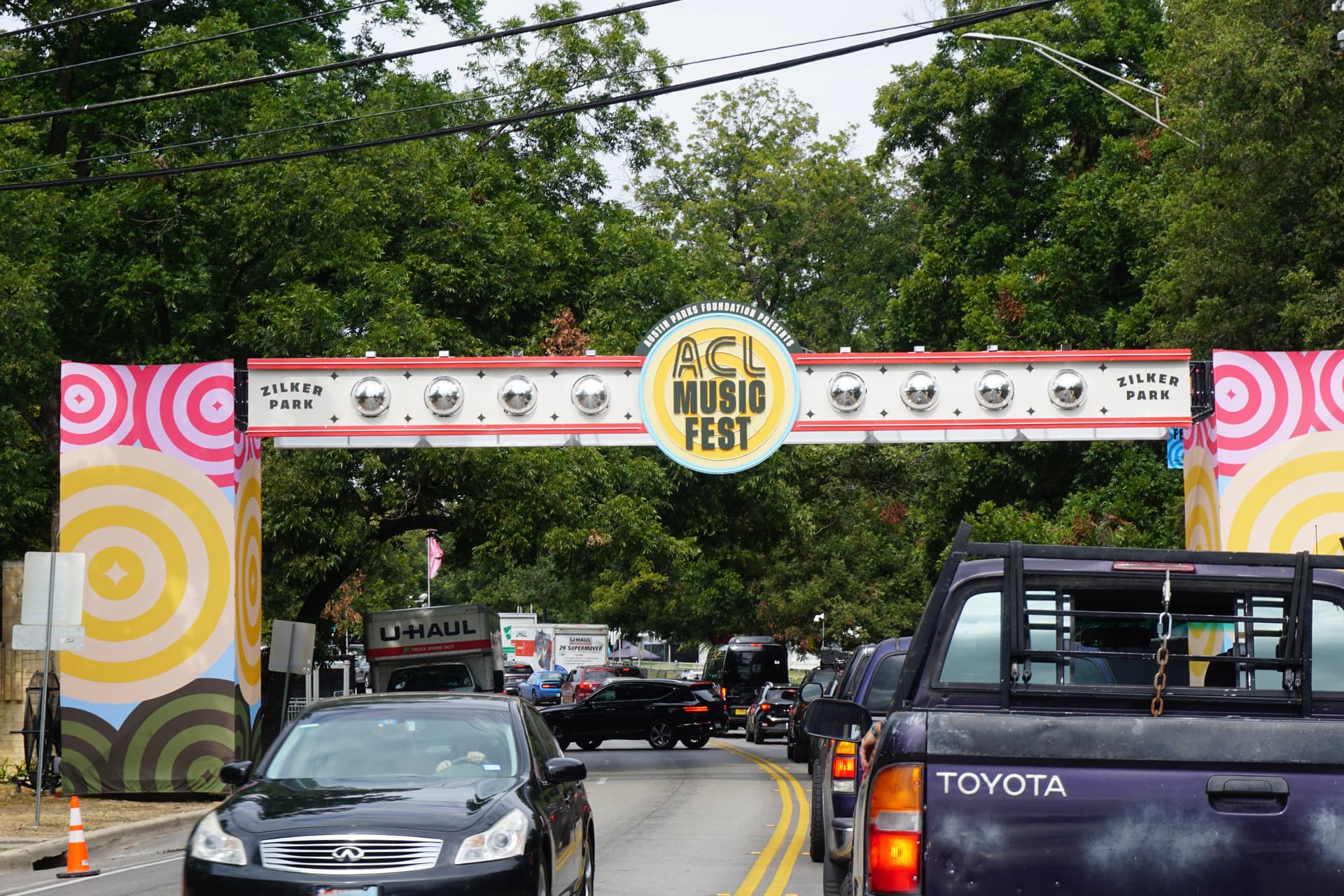
[caption id="attachment_94983" align="alignright" width="220"] The proposed Sobriety Center could open near where the majority of public intoxication arrests occurred during a six-month period that included Austin City Limits Festival and South by Southwest Music and Media Conference.[/caption]
The proposed Austin/Travis County Sobriety Center would temporarily house publicly intoxicated people until they have sobered up as long as they are not breaking any other laws or in need of medical attention.
The center could open in early 2017, and a yet-to-be-released report recommends the facility be housed at the Travis County Medical Examiner’s Office.
Currently, any individual cited for public intoxication must either be released to a responsible adult who can get him or her home safely, or the intoxicated person is taken to jail or an emergency room.
“Public intoxication is unfortunately an issue that Austin has lots of instances of,” Mayor Pro Tem Kathie Tovo said. “It can be very time-consuming for our officers to deal with public intoxicants and individuals who don’t need medical care and they’re not breaking other laws.
“They are breaking the law by being intoxicated out in public, so this is a way to respond to those individuals in a more resource- and time-efficient manner,” she said.
Tovo said she was not part of conversations in 2000 to open a sobriety center, but after learning about the proposal she agreed such a center could be beneficial.
She has since worked with council members and stakeholders, including public safety and medical officials, to research and recommend how Austin could implement such a plan.
The proposed Sobriety Center could open near where the majority of public intoxication arrests occurred during a six-month period that included Austin City Limits Festival and South by Southwest Music and Media Conference.[/caption]
The proposed Austin/Travis County Sobriety Center would temporarily house publicly intoxicated people until they have sobered up as long as they are not breaking any other laws or in need of medical attention.
The center could open in early 2017, and a yet-to-be-released report recommends the facility be housed at the Travis County Medical Examiner’s Office.
Currently, any individual cited for public intoxication must either be released to a responsible adult who can get him or her home safely, or the intoxicated person is taken to jail or an emergency room.
“Public intoxication is unfortunately an issue that Austin has lots of instances of,” Mayor Pro Tem Kathie Tovo said. “It can be very time-consuming for our officers to deal with public intoxicants and individuals who don’t need medical care and they’re not breaking other laws.
“They are breaking the law by being intoxicated out in public, so this is a way to respond to those individuals in a more resource- and time-efficient manner,” she said.
Tovo said she was not part of conversations in 2000 to open a sobriety center, but after learning about the proposal she agreed such a center could be beneficial.
She has since worked with council members and stakeholders, including public safety and medical officials, to research and recommend how Austin could implement such a plan.
Proposed plan
Jason Dusterhoft, Austin Police Department assistant chief, said the plan allows officers discretion to take those under the influence of alcohol to the Sobriety Center—but those under the influence of drugs would still go to jail. He said the center would save officers time, but the center is not likely to save the police department money.
[caption id="attachment_94986" align="alignright" width="460"] Austin was named the fifth-drunkest city nationally in 2012. In 2010, Austin’s prevalence of binge-drinking among adults was 2.7% higher than the state average.[/caption]
“The Sobriety Center will be a good thing because officers won’t have to go to the jail, and in many cases if someone is intoxicated and they have other issues … you might spend three hours at the jail with the jail nurse,” Dusterhoft said. “That’s taking up valuable time for an officer that could be back out there taking 911 emergency calls.”
Currently, Austin Police Department rents space from Caritas of Austin in downtown that officers use as a temporary sobriety center on Friday and Saturdays. The proposed Sobriety Center would provide the same benefit all week long, Dusterhoft said.
Officers will still have discretion to determine whether a person goes to the Sobriety Center or jail, and it is possible some overly intoxicated bar patrons may be taken to the Sobriety Center without receiving a public citation, he said.
“We don’t want to decriminalize public intoxication,” he said. “We don’t want people to have the view that they can come down to Austin, get drunk and then just sleep it off [in the Sobriety Center] with no consequences.”
Austin was named the fifth-drunkest city nationally in 2012. In 2010, Austin’s prevalence of binge-drinking among adults was 2.7% higher than the state average.[/caption]
“The Sobriety Center will be a good thing because officers won’t have to go to the jail, and in many cases if someone is intoxicated and they have other issues … you might spend three hours at the jail with the jail nurse,” Dusterhoft said. “That’s taking up valuable time for an officer that could be back out there taking 911 emergency calls.”
Currently, Austin Police Department rents space from Caritas of Austin in downtown that officers use as a temporary sobriety center on Friday and Saturdays. The proposed Sobriety Center would provide the same benefit all week long, Dusterhoft said.
Officers will still have discretion to determine whether a person goes to the Sobriety Center or jail, and it is possible some overly intoxicated bar patrons may be taken to the Sobriety Center without receiving a public citation, he said.
“We don’t want to decriminalize public intoxication,” he said. “We don’t want people to have the view that they can come down to Austin, get drunk and then just sleep it off [in the Sobriety Center] with no consequences.”
Who benefits most
Although Austin Police Department may not see any money saved, University Medical Center Brackenridge could save thousands of dollars, said Dr. Christopher Ziebell, director of the hospital’s emergency room department. When a publicly intoxicated person’s vitals or other symptoms show he or she may need medical attention, that person is typically taken to Ziebell’s emergency room. Because sobering up enough to get home safely could take 14 to 16 hours, a publicly intoxicated person is occupying an emergency room bed for an extended time while others sit in the waiting room, he said. “In the time we’re seeing them, we could have seen 30 other patients,” Ziebell said. “These folks are a handful. They have to be restrained, they’re loud and all of that brings distractions to other patients.” Not every publicly intoxicated person who is brought into the ER is a major distraction; however, monitoring that person takes time away from other patients who could be facing life-threatening situations, such as a heart attack, Ziebell said. Having a Sobriety Center could create a better health care environment, he said. Although the final plans on how the Sobriety Center will be funded and who will oversee it have not yet been released by an intergovernmental working group, a city spokesperson confirmed the Sobriety Center will likely be located at the medical examiner’s office immediately south of University Medical Center Brackenridge should the proposal become a reality.
Support sources
[polldaddy poll=9092280] Although Tovo and Travis County Commissioner Margaret Gomez, members of the intergovernmental working group, said the city and county could budget money to support the center, Travis County Commissioner Gerald Daugherty suggested those who use the Sobriety Center pay a fine upon entering to help offset staff salaries and other costs. Andy Brown, who chaired the city’s Sobriety Center Planning Committee, said charging a fine may not be helpful for all who are admitted to the Sobriety Center because some may be homeless or have no substantial amount of money. Other community stakeholders are working to find ways to provide long-term rehabilitation programs and fill gaps where treatment could help substance abuse disorders. Judge Nancy Hohengarten handles public intoxication cases and is credited for keeping the momentum going for a sobriety center. She said she hopes the center serves as a gateway for those with chronic substance abuse disorders to receive treatment. “Across the country we’ve seen a movement to put drug offenders into treatment [or] on probation because as a society we’ve recognized this is a medical, treatable problem that has caused the community harm. The best way to protect the community is to provide treatment and supervise individuals that are actively working toward recovery,” Hohengarten said. “Incarcerating people is not a cure for addiction, and in some cases it can really exacerbate addiction.”