Check out these three recent local government stories impacting residents in the Cedar Park area.
1. Cedar Park begins renovations for emergency dispatch center move
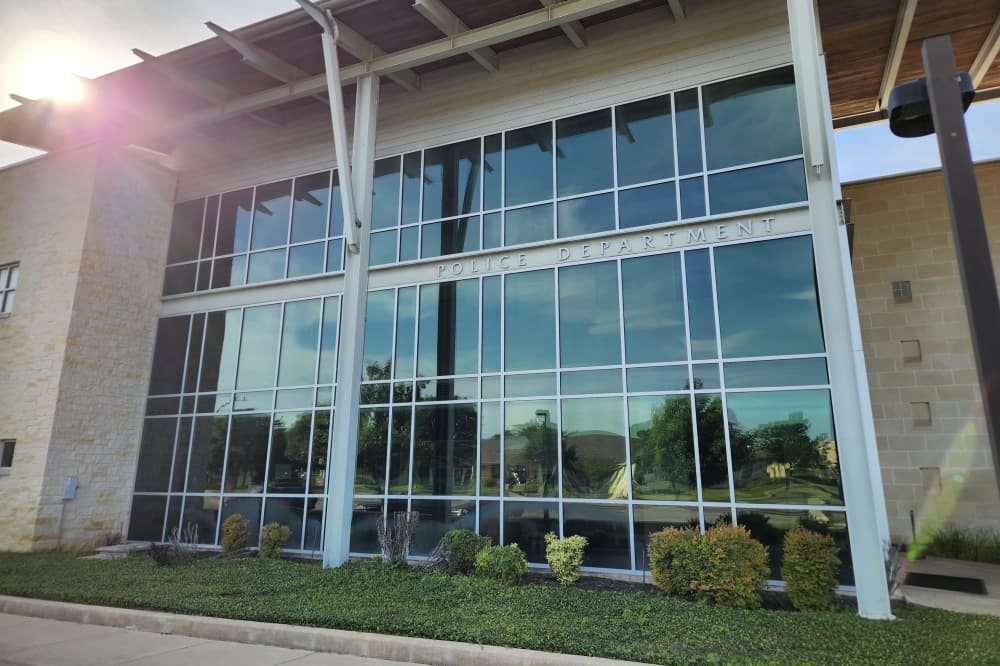
The city of Cedar Park began renovations July 1 to move its emergency dispatch center to a new space in the police headquarters building, according to a filing with the Texas Department of Licensing and Regulation.
The details
The Public Safety Communications Division handles 911 dispatching for the Cedar Park Police Department and Cedar Park Fire Department. The current communications center is “cramped” and has no room to add additional dispatchers, said Nicholle Benedict, public safety emergency communications manager.
The communications center will be moving from the second floor of the police department headquarters to the first floor. Dispatchers will take over the space previously occupied by the police department’s training division, which moved to the city’s new Public Safety Training Facility in April, Benedict said.
“We’ll be able to have enough room to breathe,” Benedict said.
The renovations are scheduled to be completed in February 2027, according to the TDLR filing.
The funding
The city’s 2026 budget includes $4 million for the communications center. The TDLR filing lists the expected cost of the move at $3 million.
2. Cedar Park amends food truck regulations to comply with new state law
Cedar Park City Council voted unanimously June 25 to approve changes to the city’s food truck regulations that city staff said are necessary in order to comply with a new state law.
The context
As of July 1, the operators of food trucks, referred to in government documents as mobile food establishments, or MFEs, no longer need permits from cities or counties. Instead, a single statewide permit process has replaced the mix of local regulations previously in effect.
What’s new
Several of the changes removed parts of the current city code of ordinances that conflicted with the new state law, according to city staff. Changes also include new location requirements, a prohibition on drive-thru services and more.
3. Austin audit measure secures place on ballot, months after officials' approval of separate efficiency review
Voters will decide this fall whether to set a new requirement for third-party audits of Austin's government, on the heels of City Council's approval of a separate recurring "efficiency assessment" program.
The big picture
Voters' rejection of Proposition Q, a proposed tax rate increase, prompted the passage of a reduced city budget last year and led council members to consider other city finance reforms. Council ended up adopting a citywide audit program as proposed by Mayor Kirk Watson earlier this year. However, calls for additional reviews continued from outside City Hall.
The political group Save Austin Now, a top donor against Proposition Q, circulated a petition for an "Independent Affordability and Efficiency Initiative" for city government, which gained enough signatures to be placed on the ballot in November.