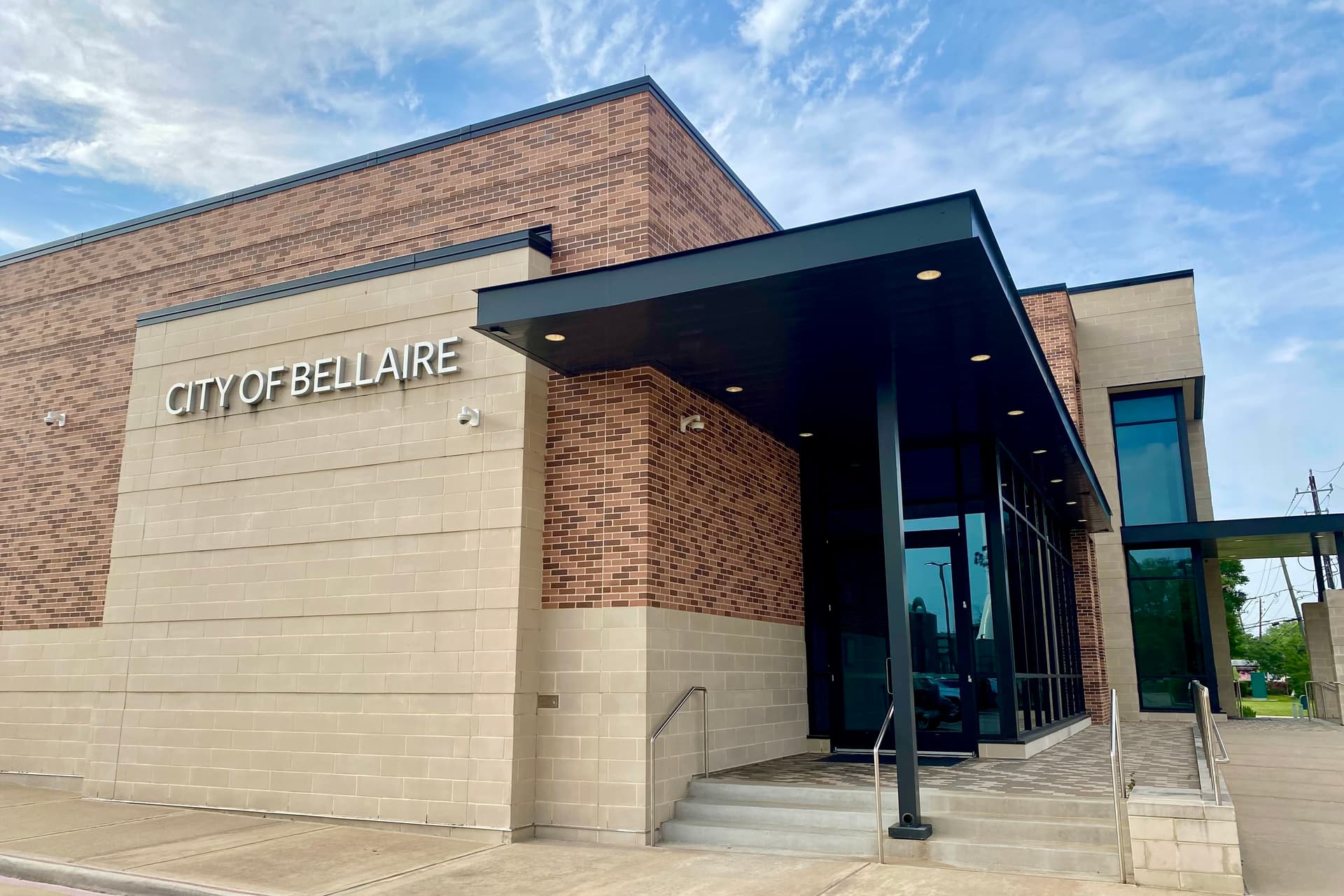
Bellaire City Council authorized a $100,000 contract during a Nov. 2 meeting with HR&A Advisors to begin implementation of the economic development strategy formed during fiscal year 2026-27.
The first steps of the strategy are to prioritize the feasibility and process for creating a special district and designing a facade improvement program.
The overview
Bellaire officials have been studying how to improve the city's commercial development zones since late 2025. The process has included working with consulting firm HR&A Advisors to study the city's existing commercial areas, meet with stakeholders and conduct a market analysis to bring forth ideas on how to improve those zones.
The final report was presented to Council on June 1. However, City Council opted to wait to hire an economic consultant for the next steps until the start of the new fiscal year, per prior reporting. The FY 2026-27 budget was approved in September, which included the $100,000 to hire the consultant.
Now that the budget is in place, Director of Development Services Travis Tanner said the city is ready to begin implementation of some of the items of the plan, which will begin with two main priorities:
Examining the feasibility of creating a special district
Designing a facade improvement program
Tanner said the potential to create a special district came from a consensus in previous discussions with City Council and city staff, while the facade program was recommended by staff due to "ease of implementation and results."
He added that the contract also provides for some stakeholder engagement, which includes working with individuals or groups that will be affected by the project.
Zooming in
According to agenda documents, HR&A Advisors will consider two potential districts for Downtown Bellaire, including a Tax Increment Reinvestment Zone (TIRZ) and a Public Improvement District (PID).
The process will include assessing the eligibility requirements for TIRZ and PID creation, suitability for Bellaire, cost and timeline for approval and management, and opportunities and trade-offs to support the City in deciding which form of district to pursue.
Per prior reporting, a TIRZ uses future tax growth to pay for improvements that go into a special fund for new commercial development and is often overseen by a board appointed by the city.
On the other hand, a PID involves property owners paying a separate special fee on top of their regular property taxes to build and maintain localized amenities. A PID is governed directly by City Council.
The three most common types of special-purpose districts in Texas.Sources: Pape-Dawson, Quiddity Engineering/Community Impact
More information
In addition to studying special districts, HR&A Advisors will equip city staff to implement a storefront facade program.
A storefront facade program, according to nearby cities that implement the practice, involves the city or a nonprofit providing financial and design assistance to small business and property owners to upgrade the exterior of their commercial buildings. Funds can cover exterior enhancements such as painting, brickwork, lighting, signage or architectural features.
The HR&A contract will allow the advisors to collect program parameters, identify best practices, engage with Bellaire Business Association leadership to assess areas of highest need and draft program guidelines.
What they're saying
Council member Ross Gordon said he is supportive of the two special district options and is also a "big fan" of bringing some form of branding or placemaking to the downtown area.
"From my perspective, I like the idea of continuing to look at how we can brand the district and give it a destination feel, which I think would be beneficial for the city and for the businesses that operate there," he said.
Council member Todd Thurber said the process needs to include getting public input from the commercial property owners. A representative from the consultant project team said they intend to engage with the community through stakeholder engagement and outreach.
"Feedback is critical for this," spokesperson Ryan LeVasseur said. "We do not want to make any suggestions that don't have raw buy-in from every party that needs to be supportive of this effort."
Next steps
The HR&A contract was approved unanimously and became effective Nov. 2. It is set for termination Sept. 30, 2027. Tanner said the study could take only between 6-8 months, but wanted to give more time to be conservative.
More Government news from Bellaire - Meyerland - West University