When the Metropolitan Transit System of Harris County began reporting confirmed cases of coronavirus among drivers, Gulfton resident Sandra Rodriguez told her mother she would begin driving her to and from work every day, despite her own responsibility to work from home and home-school her son.
“She is the only person who leaves our home,” she said. “And I want to minimize her risk.”
Rodriguez, a lifelong resident of Gulfton and president of its super neighborhood, spends much of her time advocating on the behalf of the most vulnerable and at-risk members of her community, including her 65-year-old mother, who cleans and maintains hotels.
In southwest Houston, a convergence of risk factors, such as aging populations and poor access to health care for some, could bring about a higher percentage of hospitalizations among residents than other areas of the city, data from the University of Texas Health Science Center at Houston suggests. For areas such as Gulfton, nestled alongside Bellaire, health officials must also take into account the area’s density. Gulfton contains over 14,600 people per square mile, making it more dense than Boston, Chicago and Philadelphia.
However, density alone is not necessarily a risk factor, and after two months of the coronavirus outbreak upending daily life, more data is emerging about risk factors that make certain areas of town more susceptible to the most severe consequences of an infection.
Risk factors
About 6% of the population of the southwest Houston area was deemed at risk for requiring critical care in an intensive care unit if infected by the coronavirus, according to a preliminary study by UT Health. That is double the risk for the population just north of Hwy. 59 in the Montrose and River Oaks area. In other areas, such as Deer Park and Channelview, the percentage of residents at this level of risk reaches up to 14%.
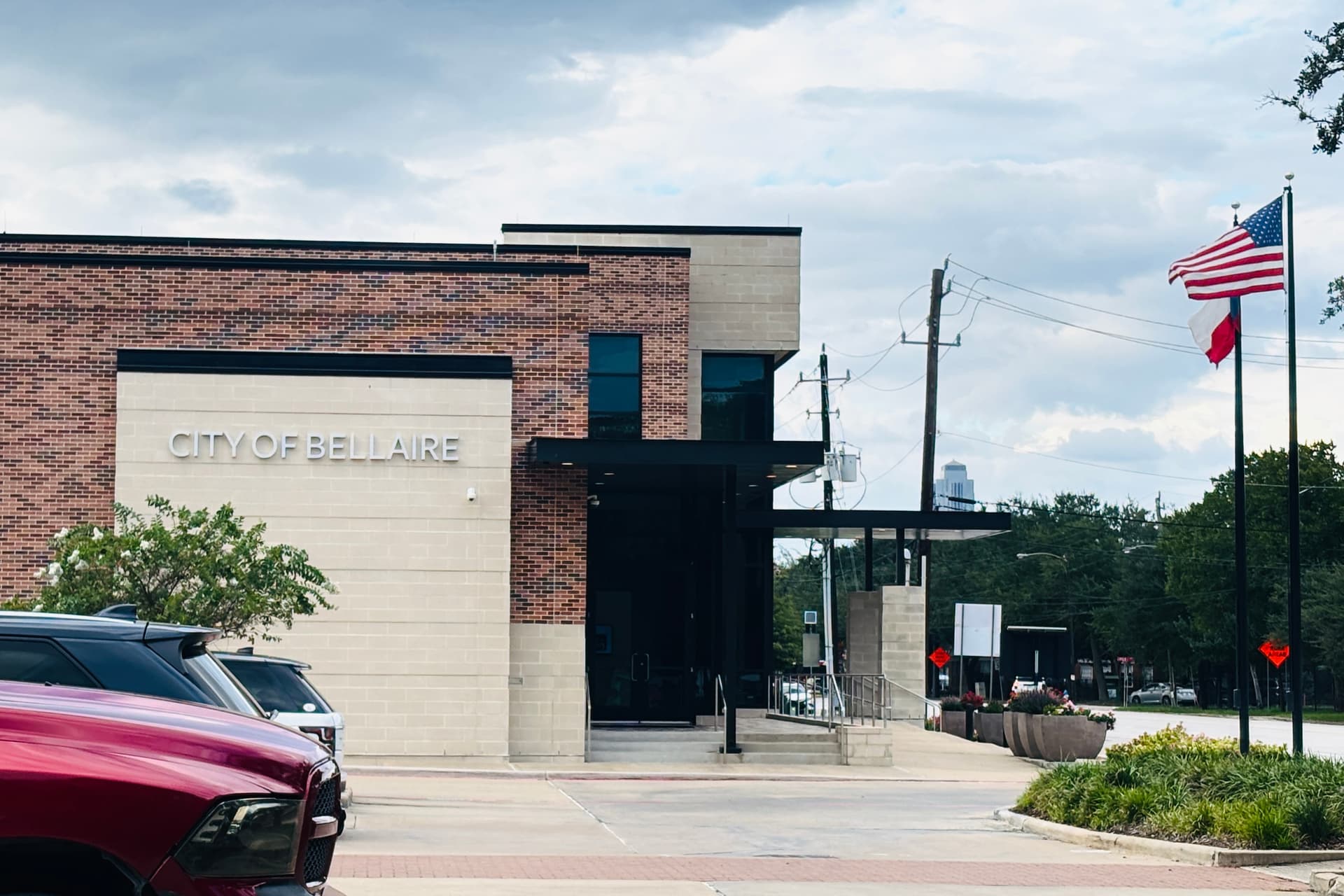
While some communities, such as Bellaire, West University and Meyerland, benefit from having higher average income levels and better access to health care than other areas of the city, the age of their populations, which skews older, could put residents at a greater risk of the most severe outcomes of the illness.
“What we’re seeing is that it’s not that young children or young adults don’t get ill—and some really do get severely ill—but they have more mild disease,” said Jill Weatherhead, assistant professor of infectious disease at the National School of Tropical Medicine at Baylor University.
In acknowledgment of that vulnerable population, Bellaire and West University Place have started support programs for area seniors, including grocery deliveries and social outreach. Residents age 65 and older make up about 14%-15% of each city, a concentration of seniors that is 50% higher than in Harris County overall.
“Since the start of the COVID-19 crisis, the Good Neighbor Team and Senior Services staff have heightened efforts to keep these seniors connected and to assist with special needs,” said Susan White, West University’s parks and recreation director.
Gulfton sees another set of risk factors, such as high population density, higher incidences of chronic illness, poverty, immigration system fears and less access to health care.