Recent demographic reports show that Clear Creek ISD enrollment is declining due to lower birth rates and a decline in the Hispanic student population.
Demographic officials noted they suspect the decline in enrollment for Hispanic students could be tied to immigration policies.
Read all about it
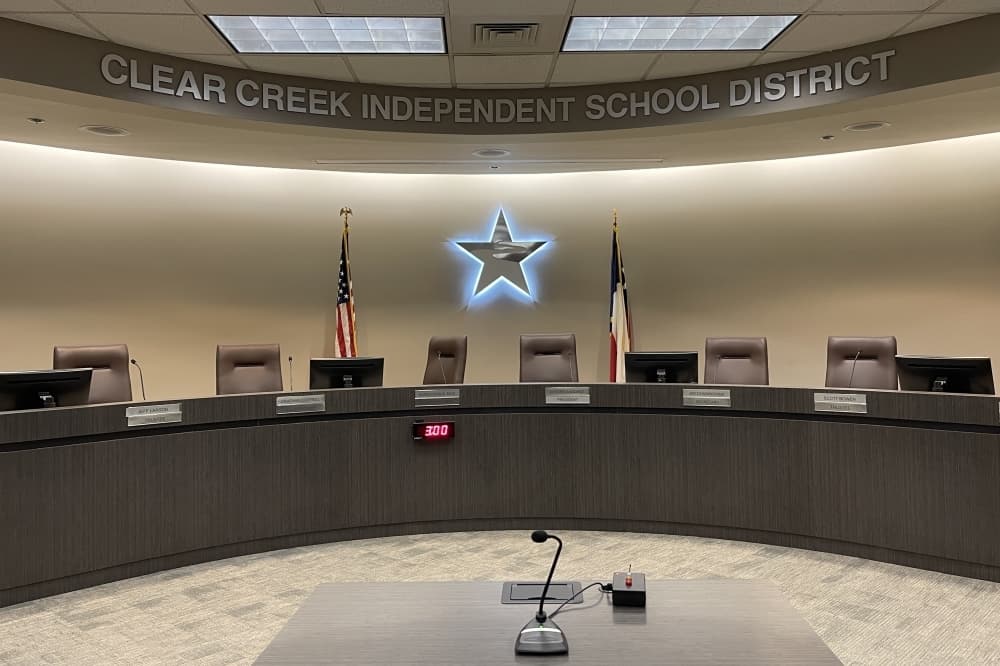
At its July meeting, CCISD’s board of trustees heard College Station-based Population & Survey Analysts present a demographics report showing a sharp decline in kindergarten enrollment and enrollment of Hispanic students, as well as a surplus of facility capacity due to an aging student population.
Current kindergarten enrollment has fallen to 2,277 students, the lowest it's been since 2002, PASA Planning Director Kris Pool said. That enrollment is also lower than the local birth rate, which signifies that in-migration is no longer offsetting the decline.
The district is currently seeing its largest student cohorts in high school, while the smallest are in the primary grades, according to the report. As these large 11th and 12th grade classes graduate, they are being replaced by much smaller kindergarten classes, creating an annual overall loss for the district.
CCISD, like many districts across the state, is experiencing a significant drop in the number of Hispanic students enrolled, Pool said.
“What happened as we started digging is that we saw a major loss in the Hispanic student population,” Pool said. “We can only expect that it is related to immigration.”
What else?
The district currently has a massive surplus of space, particularly at the elementary level.
Most notably, there are approximately 22,000 elementary seats available for only 17,000 current students, a number projected to drop further to under 15,000 over the next decade, Pool said.
Board President Jonathan Cottrell said he felt the district's neighborhoods had amenities well suited for families, but many of the old neighborhoods were unable to bring in younger families with children, contributing to the birth rate decline.
The bright side
CCISD enrolls 92% of students living in the district, a higher percentage than neighboring districts, such as Houston ISD, according to the report.
Increased residential development, such as the 12,500 new units projected to be built in the area over the next decade, could help stabilize future student numbers, PASA demographer Caroline Couch said at the meeting.