Texans now have a new way to track the results of local bond propositions and tax rate elections, or TREs, in their communities and across the state.
The state comptroller’s office launched on Dec. 15 a searchable database containing information about local tax-related ballot measures from the past 10 years.
What you need to know
Texas’ Local Government Bond, Tax, and Project Transparency Database was unveiled after state lawmakers passed House Bill 103 this spring. The new law requires the comptroller to compile information about all bonds, tax rate elections and maintenance tax rate changes proposed by local governments in an election, including:
- Ballot language for all tax-related proposals
- How each tax measure would impact the local tax rate or debt service
- The difference between the adopted tax rate and voter-approval tax rate, if applicable
- The entity’s tax rate for the prior year and the tax rate following the election
- A list of projects funded by each tax measure
- The results of each election, including votes for and against a measure
Texans will also be able to download a spreadsheet with all the data, according to the comptroller’s office.
Election results are organized by taxing entity, election type, funding purpose and election date. Some information from recent elections and individual ballot measures was not available on the database as of press time, as local taxing entities are required to submit their own data.
Local governments have until Jan. 1 to provide information for all tax elections from 2015-2025, the comptroller’s office said. In future years, election data must be reported by Aug. 7 following each election.
Any local taxing entity that does not provide the required information faces a $1,000 fine, per HB 103.
Why it matters
Previously, there was no one place for Texans to find information about all local government bonds and TREs. Election results for bond measures are compiled by the Texas Bond Review Board, and some independent think tanks also analyze election data.
Acting Comptroller Kelly Hancock said in a Dec. 15 news release that the new database would give Texans “clearer insight” into how local tax elections impact their property tax bills, help taxpayers evaluate proposals and promote voter engagement in local decision-making. Hancock, a former state senator, voted for HB 103 in May.
“This database empowers taxpayers with timely, accessible information on bonds, tax rate elections and project spending,” Hancock said. “It reflects our commitment to transparency and informed decision-making across Texas communities.”
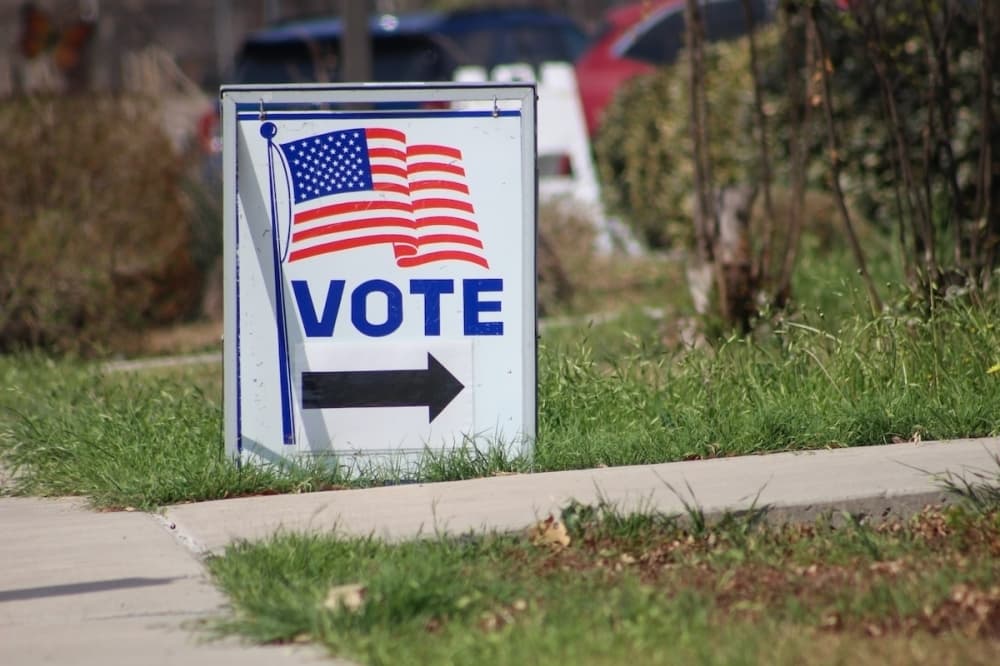
Community Impact found that voters in the newspaper’s coverage areas approved just over half of the local bond propositions and TREs on the Nov. 4 ballot. Statewide, 40% of tax rate elections and 45.9% of bond propositions passed, according to data from the office of Sen. Paul Bettencourt, a Houston Republican and property tax policy writer.
Cities, counties, school districts and other local government entities use funding from tax hikes to build new schools and facilities; hire educators and first responders; and maintain local infrastructure. However, amid high inflation nationwide, more Texas residents are tightening their belts and asking local officials to do the same, fiscal policy experts told Community Impact following the November election.