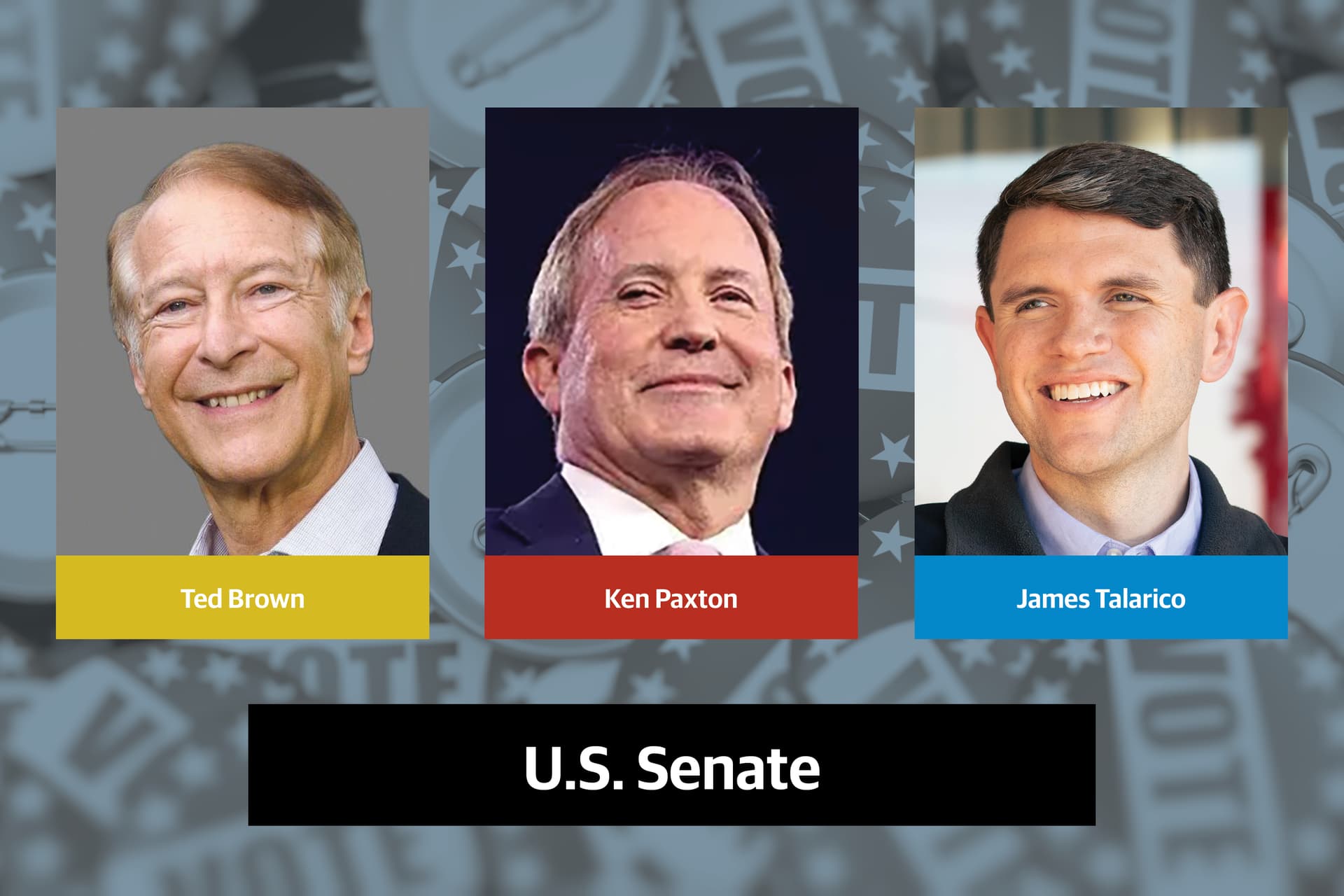
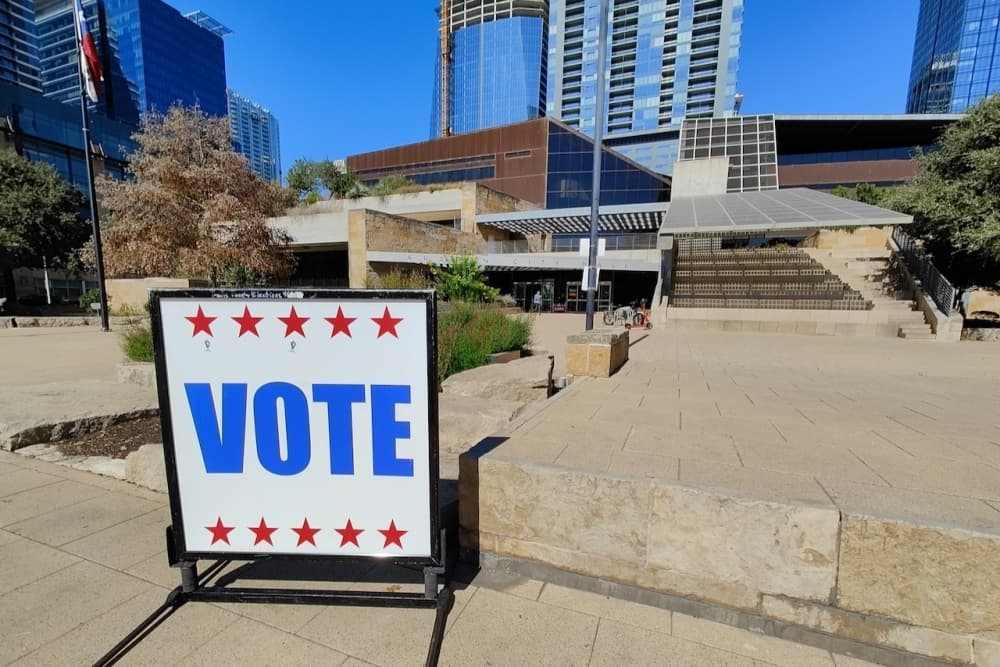
Eight Republican candidates are running to represent Texas in the U.S. Senate during the upcoming March 3 primary election.
The big picture
Republican incumbent John Cornyn is seeking a fifth term as Texas' senior senator. Each state has two U.S. senators serving staggered six-year terms—Cornyn currently serves alongside Republican Ted Cruz.
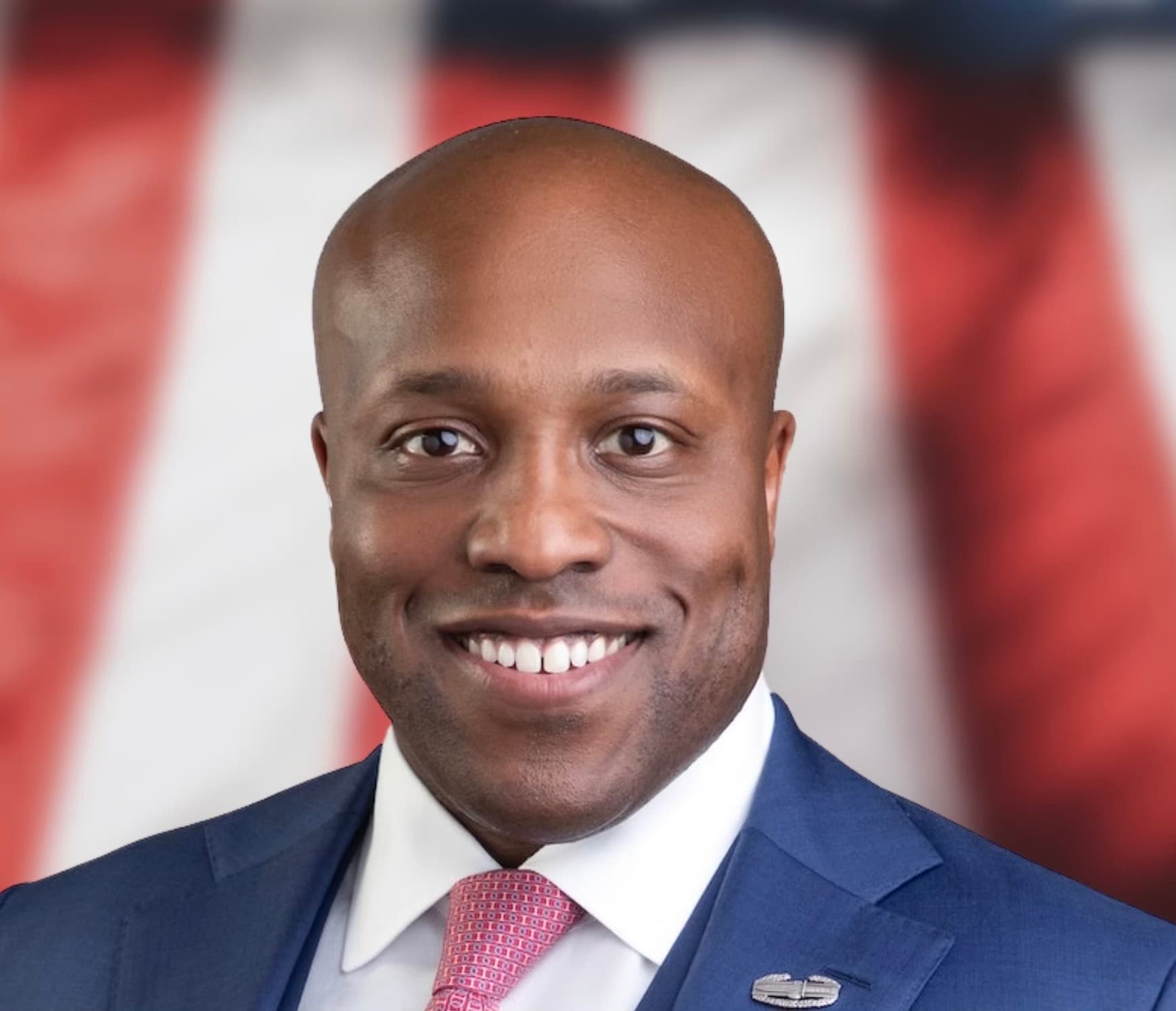
Seven Republican candidates are challenging Cornyn for the Republican nomination: John O. Adefope, Anna Bender, Virgil John Bierschwale, Sara Canady, Wesley Hunt, Gulrez “Gus” Khan and Ken Paxton. If no candidate receives more than 50% of the votes in the Republican primary, a runoff election will be held between the two top vote-getters May 26.
The winning Republican candidate will face the winner of the Democratic nomination in November; the winner of that election will be sworn in to the U.S. Senate in January 2027.
Information about the Democratic candidates for U.S. Senate is available here.
Preparing for the polls
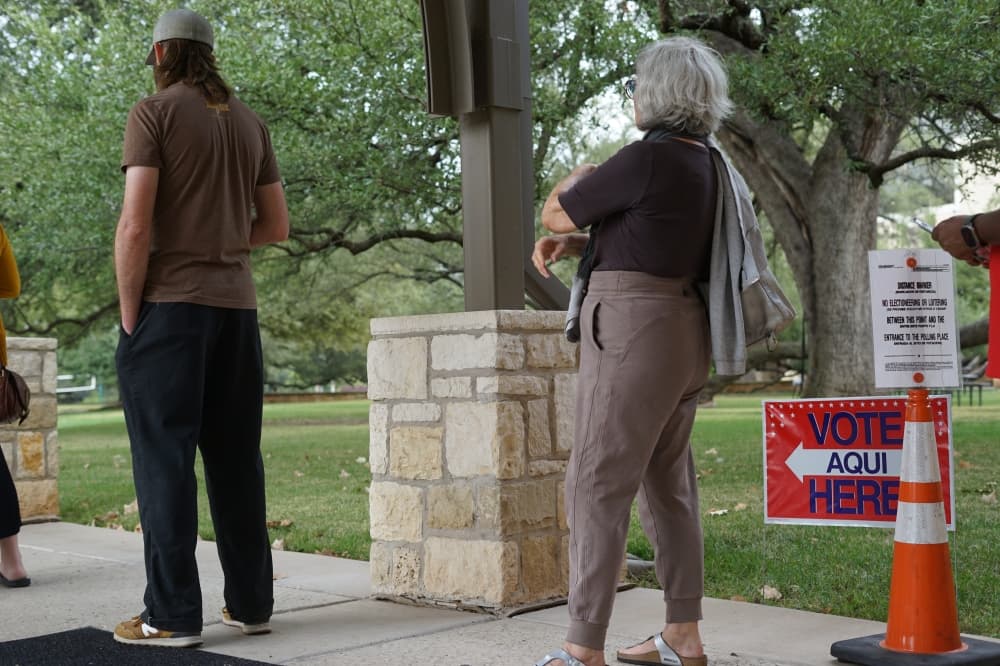
Early voting begins Feb. 17 for March 3 primary races across Texas, including 18 statewide races and various local races. Registered voters may cast ballots in either Texas’ Republican or Democratic primary, but not both. Third-party candidates will appear on the ballot in November.
For more coverage of state and local races, visit communityimpact.com/election.
Zooming in
Community Impact gave all candidates running for contested statewide offices more than three weeks to complete the primary election questionnaire and communicated with their campaigns periodically. Community Impact's goal with election Q&As is to provide a side-by-side, equitable resource for Texas voters to review candidates' perspectives as they prepare to head to the polls.
To ensure that candidates are the ones defining their positions in Community Impact's voter guide, if candidates did not complete the questionnaire after multiple attempts to contact them, the website reads "candidate did not respond to questionnaire before press time." Candidates were informed of this policy.
Candidates were asked to keep responses under 50 words, answer the questions provided and avoid attacking opponents. Answers may have been minimally edited or cut to adhere to those guidelines, or for style and clarity.
* indicates incumbent candidate