

1. CapMetro announces new MetroRapid services
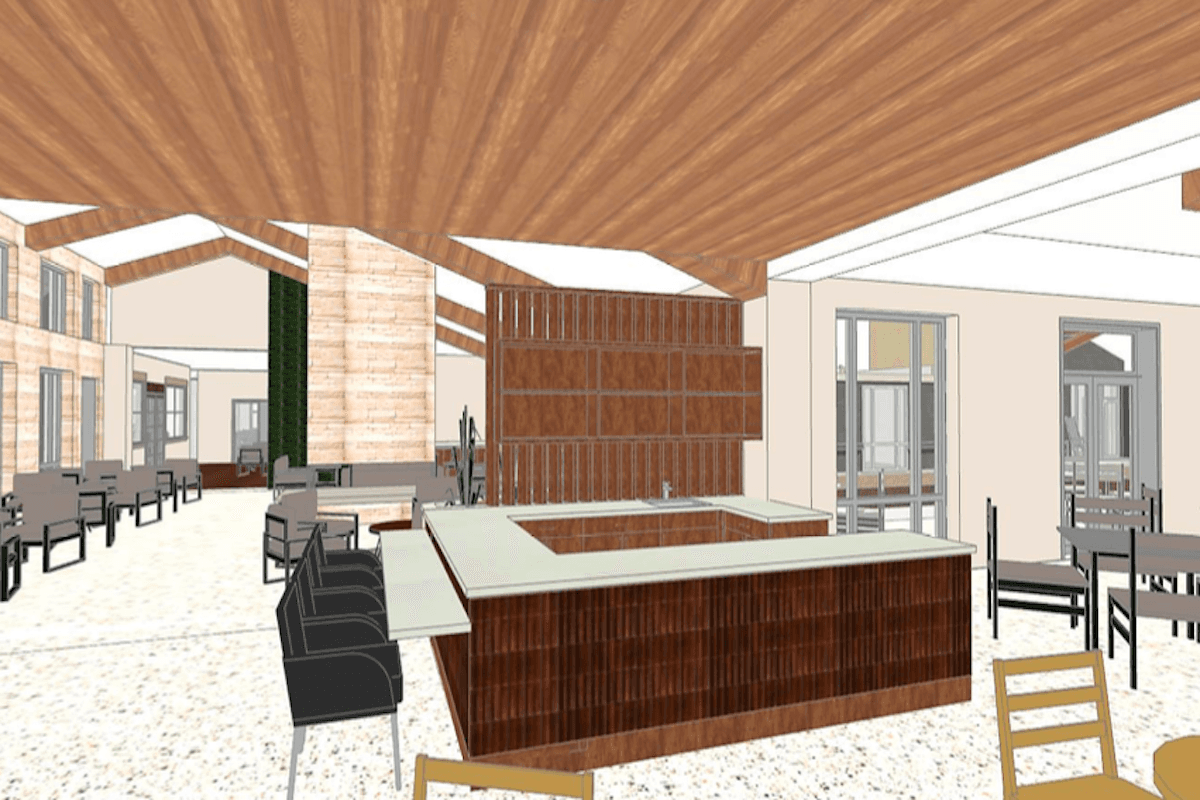
Beginning Feb. 23, Capital Metro will introduce two new MetroRapid service lines—Route 800 Pleasant Valley and Route 837 Expo Center—connecting parts of East Austin to destinations such as Dell Children’s Medical Center, the Austin Convention Center, The University of Texas at Austin and more.
Claimed to be “the most significant service changes CapMetro has completed in several years,” the two routes are a part of CapMetro’s Project Connect contributions to expand and improve the city’s transit network.
Read more here.
2. Rates increase along 6 toll lanes across the Austin metro
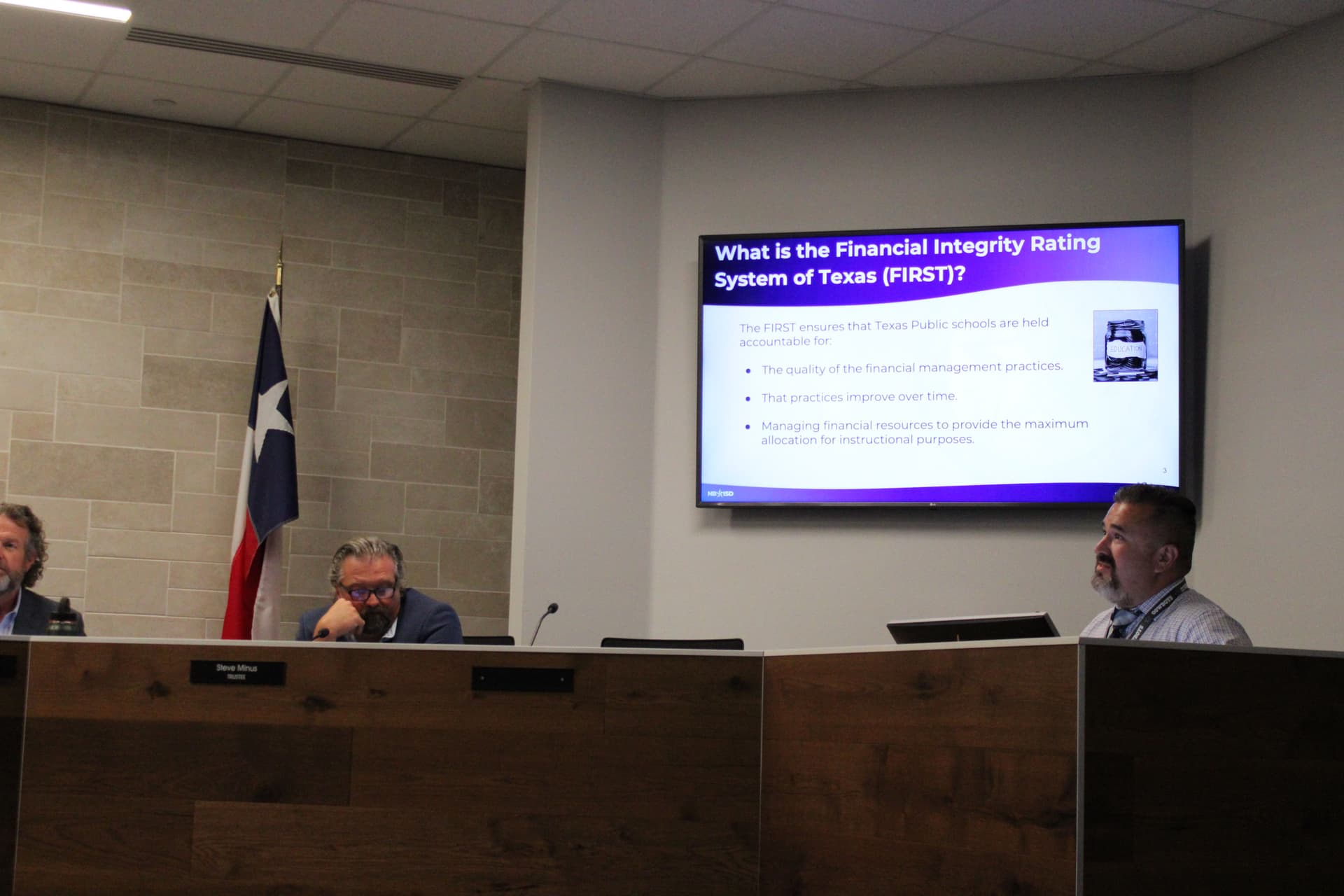
The Central Texas Regional Mobility Authority, the agency responsible for managing and collecting toll fares on many of the express lanes in the Austin area, increased toll rates Jan. 1.
Originally approved during an October Mobility Authority board meeting, the majority of toll collection points will see between a 2%-3% increase—the result of recent years inflation, according to a news release from the agency.
Read more here.
3. Tesla enters autonomous vehicle race
Tesla Inc. will launch “unsupervised, self-driving” Cybercabs as a paid service in Austin this June, owner Elon Musk announced in a recent stakeholder call.
The car and technology company will soon compete with the hoard of autonomous vehicle companies now roaming the Austin streets, such as Waymo. The Google-owned company began offering its driverless robotaxi services via the Uber ride-hailing app this year.
Read more here.
4. North Austin to become newest testing ground for transportation technologies
Regional transportation authorities and researchers have joined forces to create a cutting-edge test track at The University of Texas at Austin’s J.J. Pickle Research Campus in North Austin, paving the way for improved safety and consistency.
The new Safety, Mobility, Autonomy, Research, and Testing Track, or SMARTTrack, is a collaborative effort led by UT’s Center for Transportation Research, in partnership with Capital Area Metropolitan Area Planning Organization, Texas Department of Transportation, the city of Austin, the Central Texas Regional Mobility Authority, and other industry leaders.
Read more here.
5. $4.3 million contract jump-starts CapMetro’s dreams of all-electric fleet
On Feb. 27, San Francisco-based electric mobility infrastructure company Camber announced an expanded partnership with Austin’s public transit provider Capital Metro. The company received a $4.3 million contract for the installation of new large-scale charging infrastructure.
CapMetro officials outlined goals of reaching net-zero carbon emissions by 2040, giving the green light for a $255 million purchase of 197 electric powered buses in the fall of 2021.
As part of plans for Project Connect approved by voters in 2020, the purchase represents the largest procurement of electric vehicles in U.S. history, according to CapMetro officials.
Read more here.
6. Last year of construction on 183 North Mobility Project begins
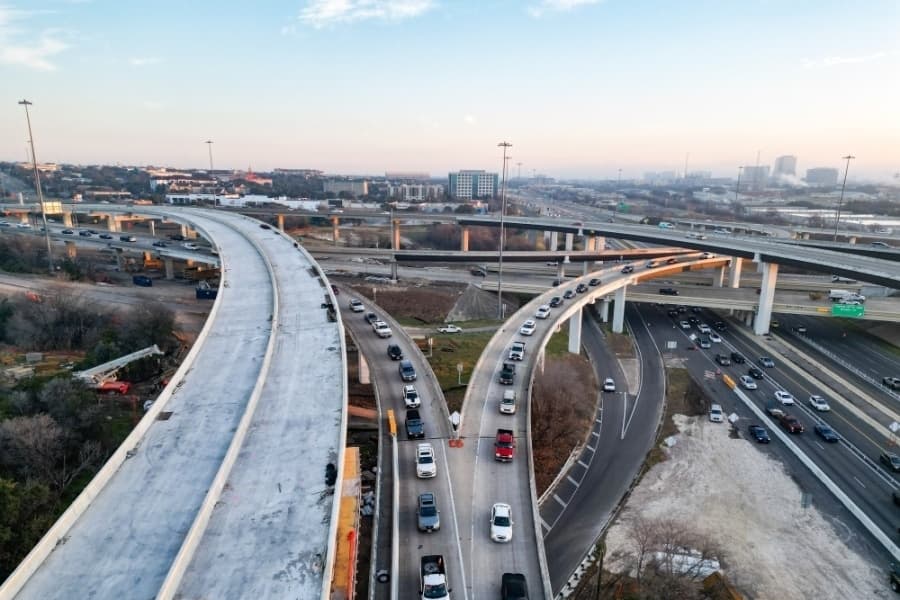
The 183 North Mobility Project is in its third year of construction ahead of a targeted completion date of 2026. The project was first launched in 2013 by the Central Texas Regional Mobility Authority and Texas Department of Transportation.
The $612 million project aims to relieve congestion along 183 North—the 9-mile section of road between MoPac and SH 45—by adding two toll lanes in each direction that will connect to the existing tolls on MoPac and 183A in Cedar Park.
The project also added a fourth nontolled northbound and southbound lane, which opened last year, and is working to improve shared-use paths along the corridor for bikes and pedestrians.
Read more here.
7. Austin’s Bikeshare fare hike could hit students hard
Less than a year after Austin's public transit provider CapMetro rolled out its electric-assist Bikeshare program, the transportation agency has proposed increases in fares in order to sustain costs.
The changes will raise the pay-as-you-go fare structure and cut the included ride time before overtime fees kick in—down from 60 to 30 minutes. Officials say the updates are meant to help cover operation and maintenance costs of the new high-tech bike system and to encourage shorter rides with more frequent docking.
According to CapMetro documents, an estimated 88% of all rides already occur within 30 minutes.
These rate adjustments went into effect Aug. 1, after unanimous board approval April 21.
Read more here.
8. CapMetro swears in first-ever transit police force
Capital Metro welcomed its inaugural class of transit police officers June 6, marking a milestone in the agency’s push for increased public safety.
Concerns over safety is not something new for the organization.
CapMetro adopted a three-pronged public safety strategy back in 2021, leading to the creation of the specialized transit police department, public safety ambassadors and community intervention specialists.
Read more here.
9. Oak Hill Parkway over halfway to finish line
The 7-mile stretch of highway has been undergoing a $677 million facelift since 2021, turning the four-lane, undivided roadway into a six-lane divided highway with new frontage roads and 14 miles of shared-use paths.
The project is over halfway to completion, according to TxDOT officials. Contractors are expected to complete all “punch list items” by September with a substantial completion date set for mid-2026, TxDOT project manager Christiana Astarita said.
Read more here.
10. South MoPac extension set as priority
The Central Texas Regional Mobility Authority approved a list of priority projects—including the MoPac South toll extension—during their approval of a five year capital improvement plan and budget for fiscal year 2025-26.
Outlined in the general fund allocations, the Mobility Authority included design and engineering funding for:
- MoPac South express lanes at $3,686,000
- Ronald Reagan managed lanes at $1,000,000
- 183A added capacity at $1,268,000
- 290E extension at $7,500,000
Read more here.
11. State invests over $4B in Austin-area roads
Gov. Greg Abbott unveiled a new 10-year transportation plan from the Texas Department of Transportation in August, outlining a nearly $4 billion investment in the Austin area.
Many of the projects in the 2026 plan are roadway segments identified on Texas’ 100 Most Congested Roadways list.
Main thoroughfares across the Austin area are expected to see funding from the state, including I-35, SH 130, SH 71 near the airport, Loop 360, RM 620 and RM 1826. The plan also calls for millions allocated toward traffic management technology along I-35 and SH 71.
Read more here.
12. Central Austin neighborhood to see I-35 sound barriers implemented
A 21-foot-tall noise wall will be built along the northbound I-35 frontage road between 30th Street and 38 1/2 Street after residents in the Cherrywood neighborhood voted in favor of the project, according to the Texas Department of Transportation.
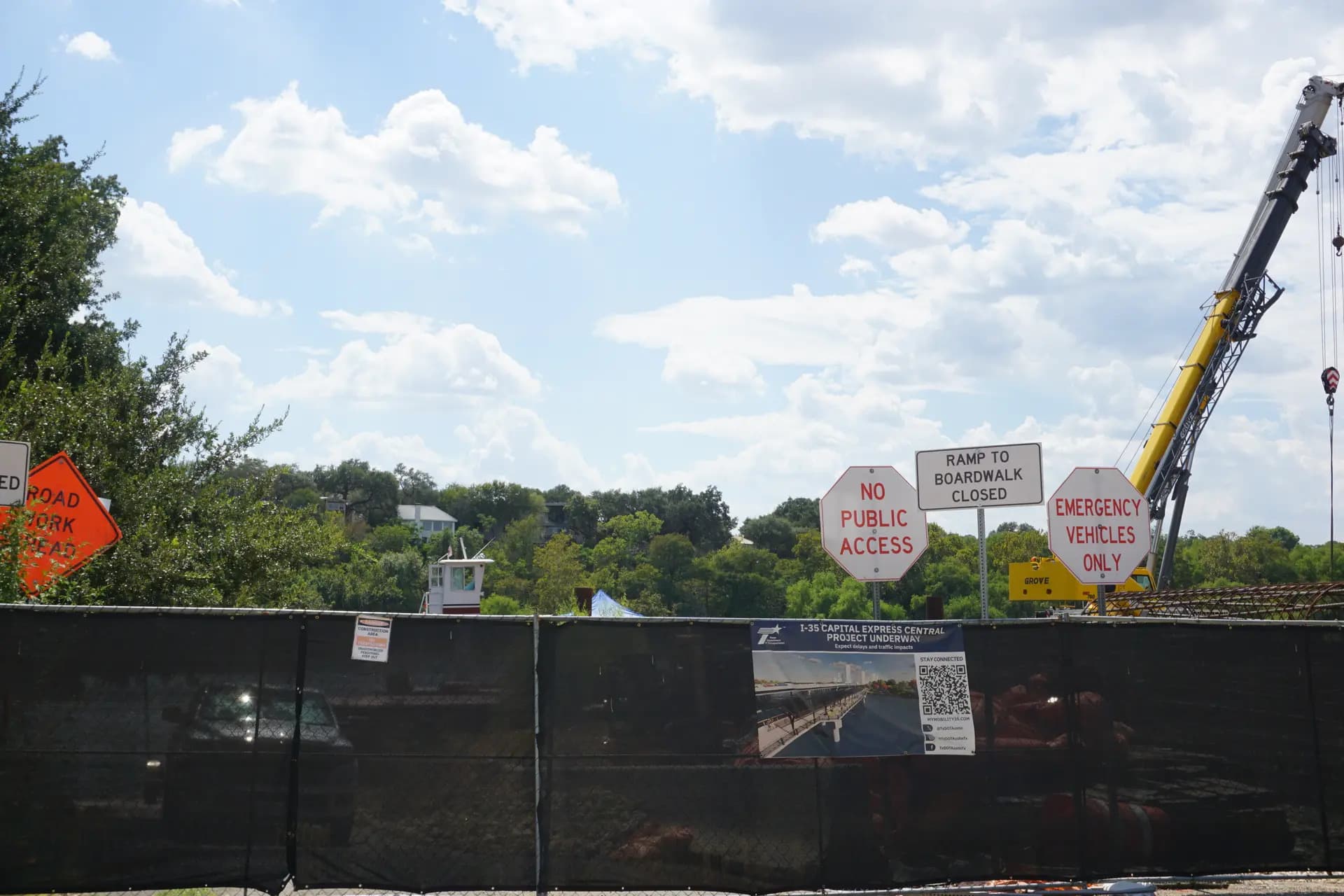
The barrier will be included in the upcoming University Segment of the I-35 Capital Express Central Project, which stretches from Hwy. 290 to Martin Luther King Jr. Boulevard and is expected to begin construction in mid-2026.
Read more here.
13. TxDOT spends $748M to burrow bus-size tunnels under Central Austin
The Texas Department of Transportation is set to launch one of Austin’s largest underground construction projects in 2026, digging 6.5 miles of 22-foot-wide tunnels beneath the city’s busiest highway.
As part of the I-35 overhaul in Central Austin, which will lower sections of the highway below ground level, the transportation agency will build underground drainage tunnels to help prevent flooding along the corridor.
Plans show the tunnels—large enough to fit a standard Capital Metro bus—would extend along I-35 from 45th Street down to Cesar Chavez Street, then veer east on Cesar Chavez and end near US 183 by Lady Bird Lake.
Read more here.
14. Travis County to fund $125K passenger rail study between Austin, San Antonio
Travis County officials approved a $124,953 feasibility study Oct. 21, exploring commuter rail options between Austin and San Antonio.
An initiative long championed by Travis County Judge Andy Brown, the study will evaluate car-alternative passenger rail options using land already managed by the state along major highways and interstates between the two cities, including existing rail infrastructure, with potential service options from the Amtrak station in San Antonio to the Austin-Bergstrom International Airport.
The theoretical path would run from downtown Austin to the east along Hwy. 71 past the airport, south down SH 130 and pop back west into San Antonio along I-10, Brown said
Read more here.
15. CapMetro’s latest approved plan signals shift in commuter behavior
As CapMetro celebrates its 40th anniversary, the agency isn’t just looking back—it’s looking ahead. Four decades after Austin voters created the transit authority, CapMetro finds itself at a crossroads, navigating a region whose commuting patterns look different than they once did.
CapMetro’s Transit Plan 2035, adopted Oct. 20, marks what CEO Dottie Watkins calls a sweeping “recalibration” to create a more equitable and widely used transit system. The plan coincides with the agency’s partner initiative Project Connect—the multibillion dollar build-out of Austin’s voter-approved light rail, which is set to begin construction within the next few years.
Read more here.