Renters in Austin will soon be guaranteed more information about the various costs associated with their leases under a new transparency policy prompted by officials' push against "junk fees."
What's happening
As a new housing affordability strategy, City Council first called for full fee disclosures at the start of the leasing process in 2024. That mandate is now going into effect and will impact a large share of the city; nearly 59% of Austin households now rent.
Additional charges to cover things like pets and pest control, trash pickup services, cable, parking and administration may be hidden during leasing and can also change over time. While extra rental fees can be detailed on forms like the commonly used Texas Apartment Association leasing contract, landlords and property owners aren't obligated to provide that information—and may not share it until prospective tenants already pay to apply or sign a long-term lease.
"The lack of transparency can result in households renting housing that is not within their budget and if a household cannot afford their rent, the downstream effects can include displacement, decreased credit scores, and, potentially, homelessness," the city reported.
Junk fees in the housing market have been reported nationwide, leading to officials' 2024 push for new rules related to rental fees. Council approved a finalized policy May 28, to go into effect this fall after nearly two years of city planning and outreach to property managers, apartment representatives and tenant advocates. The update comes after state legislation to limit junk fees failed to pass last year.
The framework
Starting Oct. 1, anyone renting out 50 or more housing units must start disclosing all mandatory, optional and variable fees that can be charged to their tenants. The same rules will apply for landlords managing less than 50 units as of January. Mobile home parks are included in the new ordinance, while landlords responsible for less than five dwellings are not.
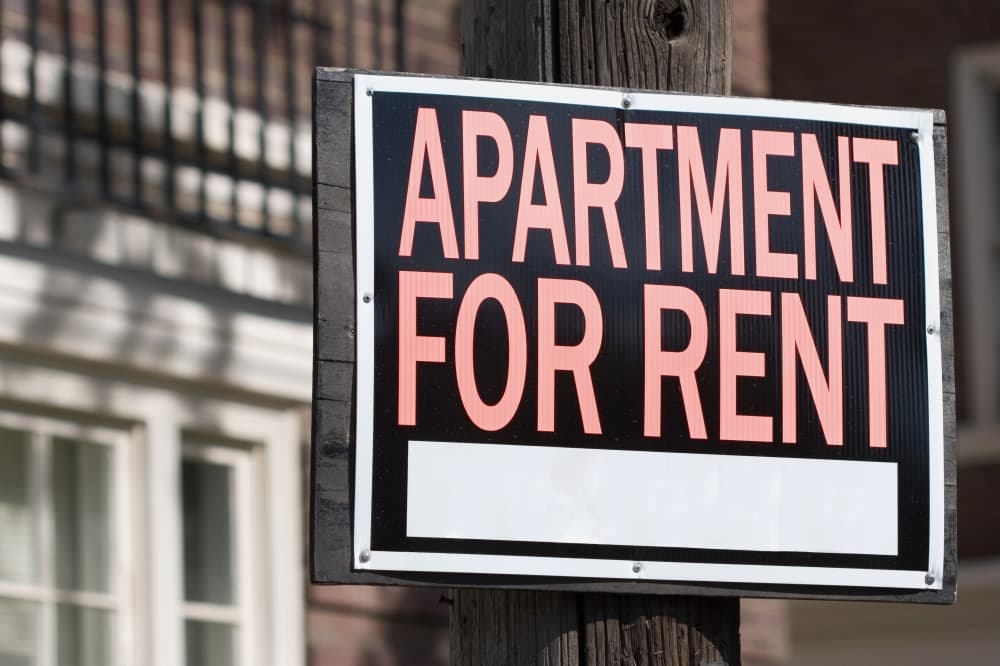
The itemized disclosures must be made in writing, either before a housing application is submitted or when providing a lease quote. All housing advertisements in Austin will now also have to display fees alongside rental rates.
Violating the city's new rental fee disclosure rules is a Class C misdemeanor, punishable by fines up to $500.
Zooming in
Council member Ryan Alter, who sponsored the 2024 proposal, previously stressed the importance of letting tenants know their exact monthly housing costs upfront before entering into a lease. An analysis of hidden rental fees by The University of Texas at Austin found tenants frequently face burdensome and "exploitative" fees that can add up to hundreds of dollars to their base rent, and aren't easy to contest or opt out of.
Shoshana Krieger, project director with the renter advocacy nonprofit Building and Strengthening Tenant Action, or BASTA, said the organization has seen a rise in junk fees in Austin and that the new city policy will benefit potential tenants.
“What this ordinance does is it starts to level a really, really uneven playing field," she told council in May. "All it’s doing is saying that landlords have to be straight-up with how much they’re going to charge."
Members of Austin's property management community generally supported the new policies, although some shared reservations about the plan.
Allen Vaughn, a North Austin property owner and Austin Apartment Association member, said he works to be transparent with his residents. However, he noted that leasing and advertising systems are complex and can be managed by third parties, making the required disclosures difficult to oversee. He asked for Austin's policies not to be implemented until 2027, while AAA member Tiffany Blankman suggested holding off until a federal rulemaking process covering "deceptive" rental fee practices is complete.
“Without adequate lead time, you risk creating confusion for renters, inconsistent disclosures across platforms and compliance problems that neither residents nor housing providers want," Vaughn said.
Other AAA members also said they aim to be clear with their tenants about costs, but asked to ensure all property management staff wouldn't be criminalized under the new ordinance.
“We support transparency, but transparency can be achieved without placing disproportionate legal risk on leasing professionals who are simply trying to help residents navigate increasingly complicated leasing processes," Shelby Bower said.