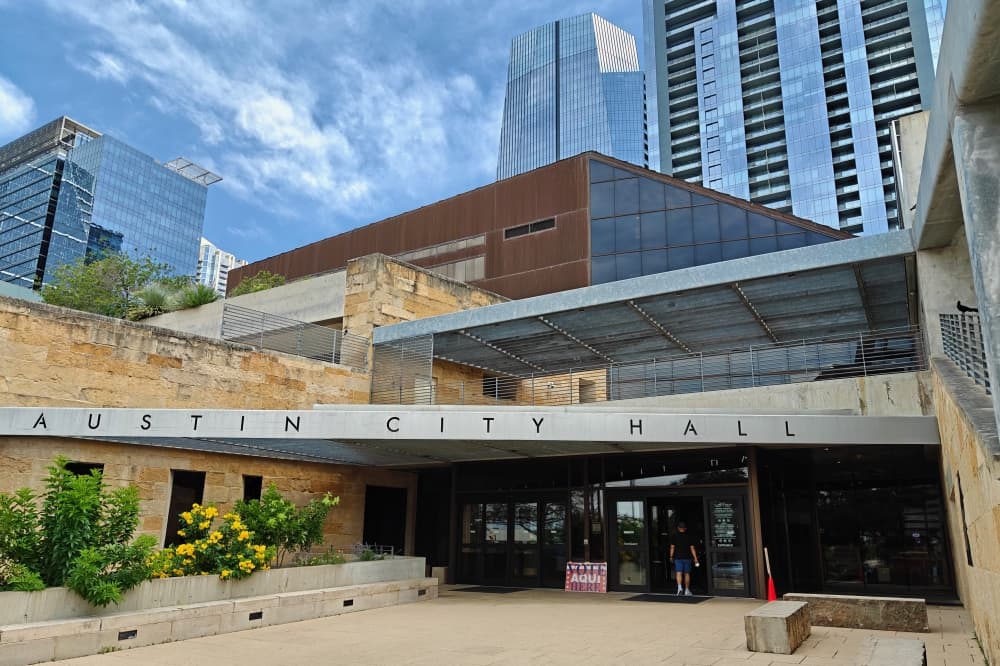
Austinites could vote on several updates to the city's foundational rulebook this fall, two years after an election for some of those changes was canceled.
The setup
Similar to a local constitution, Austin's city charter establishes basic rules and procedures from elections and administration to planning and taxing. The charter can only be amended every two years through an election, which can be proposed either by City Council or via resident petitions.
Council requested a review of Austin's requirements for petition elections in 2023, resulting in proposed charter edits in 2024. City staff also forwarded recommended charter changes to appear on local ballots.
More than a dozen amendment were eventually placed on the November 2024 ballot. However, Austin was forced to cancel that vote under a court order stemming from a resident lawsuit over errors made by city staff as the election was being ordered.
The approach
With the two-year limit on charter elections now up, the 2024 proposals could now be revisited alongside several other measures. Council's Audit and Finance Committee briefly discussed the process in May and will review ballot items that might be put to Austin voters this summer.
The resident-led 2024 Charter Review Commission produced several recommended updates to local election and governance rules. Some of those changes were already made administratively, like changing the city's proposition naming pattern to cover the full alphabet across election years rather than starting each cycle with a "Proposition A."
Other suggestions related to City Council's meeting processes, tying certain elections to higher-turnout dates, adjusting some resident-initiated petition thresholds and city financial practices.
Zooming in
It remains to be seen what a 2026 charter amendment election would include, but those previous concepts and others could be on the ballot this November. Council member Ryan Alter, who first sponsored the request for a charter review in 2023, raised two new amendments to consider:
- Changing city land-use rules to allow solar installations in dedicated parkland on facilities like buildings or parking lots, to support Austin's city-owned solar initiatives
- Allowing council members to initiate elections over policy issues, a power currently limited to residents through the public petition process
Alter noted council-initiated elections could have some drawbacks, and said it's something officials will need to consider further before drafting ballot language or potentially calling an election.
"I think that could be a benefit, could be abused," he said May 20. "We should think about if there’s an instance where it’d be appropriate to put a question to the voters, but also not do so in a way that is both shirking our responsibility and ... could be used in a way that’s not productive."
Council will soon revisit the charter amendment topic and must decide on any 2026 election by mid-August.
"This is an effort to get the public to look at what it is we're talking about and highlight it," Mayor Kirk Watson said of the review.
In other news
Separate from the city process, voters may also weigh a resident-proposed charter amendment related to city auditing practices this November.
After campaigning against the city's Proposition Q tax rate measure last November, the political group Save Austin Now launched a petition campaign to require external city auditing. While council members since voted to begin ongoing third-party audits, SAN is maintaining the petition effort for a public vote on its proposal as well.