Austin's handling of 911 calls has rebounded from a recent "crisis" of low staffing and high response times, but some elected officials say city leadership still hasn't taken strides to fix longstanding emergency communications problems.
“It is an area in which I had feared that there was inadequate strategic focus by our city, and so far today those fears have been proven well-founded," council member Krista Laine said after a May 12 briefing.
The big picture
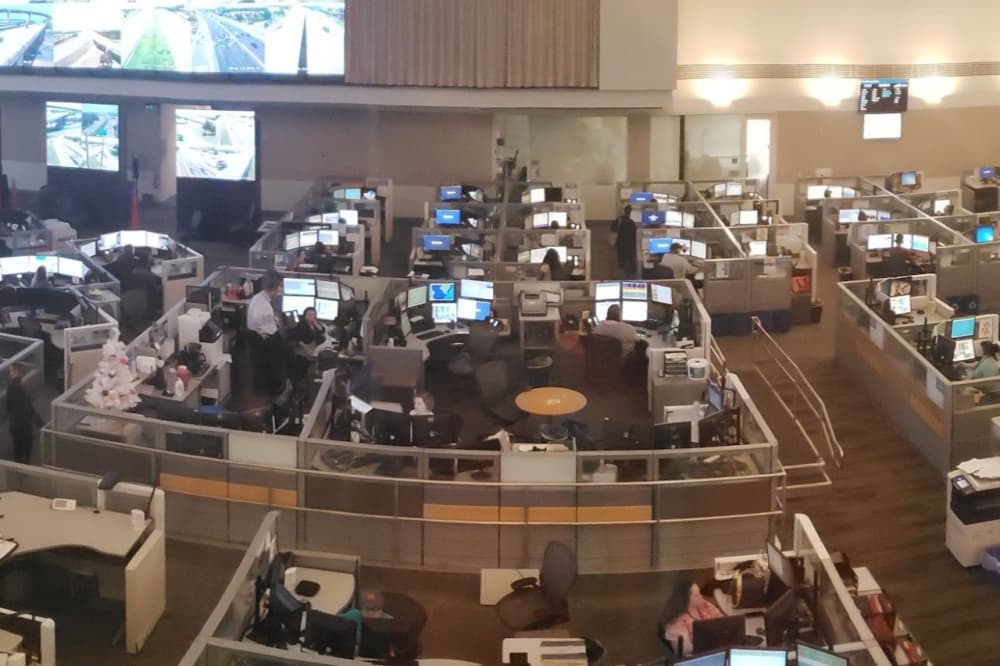
Scores of personnel from the Austin Police Department, Austin Fire Department and Austin/Travis County Emergency Medical Services are involved in handling and dispatching hundreds of thousands of 911 calls every year.
The city's emergency communications center was dozens of staffers short just a few years ago, passing a 45% vacancy rate in 2022. Austin police also fell below a national standard of answering 90% of 911 calls within 15 seconds, with some waits averaging more than two minutes.
“Really, it was a crisis when it comes down to our staffing. And it was negatively impacting our ability to answer 911 calls within a reasonable amount of time," APD Assistant Chief Angie Jones said.
Reporting from all three public safety departments this spring shows progress after heightened hiring and employee retention efforts that included higher base pay, new training and career progression planning. Jones said the police department in particular, which staffs nearly 200 911 call-takers and dispatchers, made "significant strides" and surpassed the 90% answer rate in the past two years. So far in 2026, nearly 98% of calls to APD were answered in 15 seconds.
Austin Fire follows that same benchmark, but aims for a higher standard of 95% of calls answered in 10 seconds or less. Quarterly reports show the fire department falling between rates of 93%-97% quarterly since 2021.
ATCEMS didn't provide new answer rate data, but noted its overall response times fell nearly a minute from a 2024 high, including a roughly 10% drop in response times in the field. EMS Chief Robert Luckritz said his and other cities' medical departments also continue to evolve targeted programs like Austin's expanded mental health 911 responses.
“The reasons that folks call 911 has shifted significantly over the past few decades, and we have to develop new deployment models that are reflective of that," he said.
Put in perspective
While noting some positive staffing and response trends, Laine said the city's public safety briefing failed to address other "persistent" issues with 911 communications and planning. She raised issues such as poor coordination both internally and with neighboring jurisdictions, as well as a lack of public safety resources and longer 911 responses in outlying neighborhoods.
She also criticized departments and city management for falling well behind schedule on a strategic plan to combine police, fire and EMS dispatchers into a proposed Joint Emergency Communications Department, or JEC—a project unanimously requested by City Council last August. Officials had asked to see that plan by mid-December last year, in part to help inform public safety funding decisions during the next round of city budgeting coming up this summer.
“We can’t advocate for funding or ensure adequate funding when we don’t know what it will take. We are six months past the deadline for the strategic plan and cost estimates. We woefully do not have the information that we need," Laine said. "It is quite concerning that we don’t even have a roadmap to getting there out of these presentations that are six months after the deadline."
Ramón Batista, assistant city manager for public safety, said a multiphase review is still in progress this spring. Initial evaluations determined the proposal was wider-ranging than anticipated, he said, due to different technology systems at play and potential impacts on emergency readiness and 911 call handling.
What's next
JEC feasibility studies and a final strategic plan are yet to be developed by the city and public safety consultant Mission Critical Partners. Batista, whose Austin tenure began in March after the review was underway, said he's working out a path forward and will report next steps back to council members.
Laine said the work should remain a priority, especially given past consultant findings about emergency communications and technology process, and the city's upcoming IT consolidation that's set to begin with some APD, fire and EMS personnel.
"Even with this level of strategic mobilization around these issues in this city, even with a unanimously passed [item from council] that had a deadline six months ago, we find ourselves now at the very beginning of the process because of the complexity," she said. "It is complex, but it is not that complex.”
Council member Mike Siegel said he shared some of Laine's concerns, especially given council's push to ensure public safety funding last year and the request for JEC planning. Batista said he couldn't confirm a timeline for next steps in Mission Critical's process as of mid-May, but noted any shifts in emergency communications operations would likely come with financial impacts.