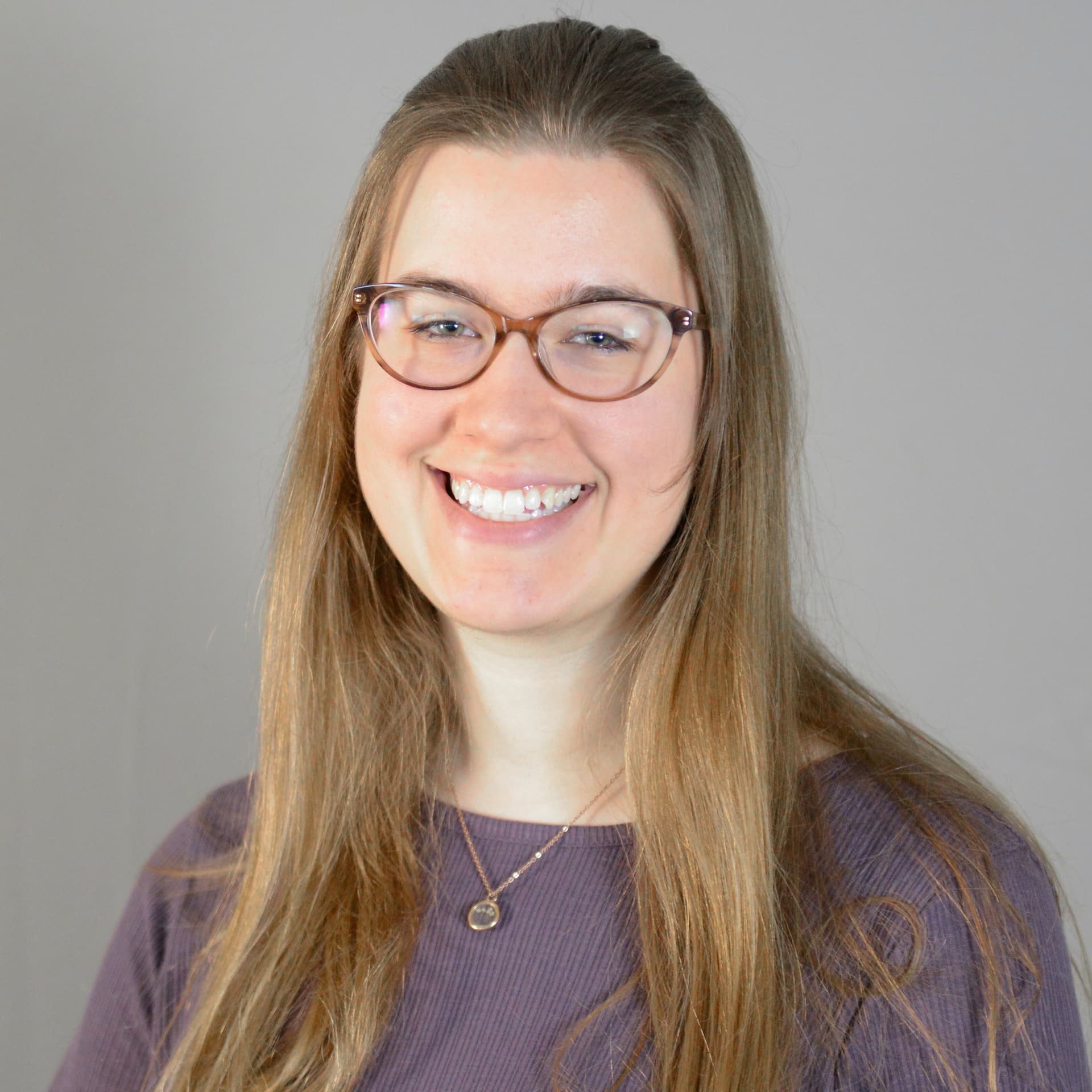
Beth Jones was appointed director of public works by Tomball City Council in early June, moving up from her previous role as city engineer where she worked closely with the public works and community development departments. Jones’ appointment followed a series of promotions within the city, including the appointment of former Public Works Director David Esquivel as assistant city manager in April. Jones said she began working for the city of Tomball in 2016. Previously, she worked as a licensed home inspector, lived abroad in Dubai, taught engineering courses at Tarleton State University, and served as environmental compliance officer and director of wastewater for the city of New Iberia, Louisiana. As public works director, Jones said she oversees a group of about 50 employees. Jones also has two children, Jacob and Juliet, who were born in Dubai. “The big picture is I love the people here and the work that I do,” Jones said. “That’s a big deal because not everybody has that. I consider myself very fortunate.”
How did you get to Tomball?
My background is civil engineering. I came to Houston when I went to Rice [University], and kind of lived all over the South generally after that. After I graduated, I got my master’s [degree] at night and worked in engineering consulting. Then my husband and I moved to Louisiana for his job, and that’s where I started working for municipal government. The town of New Iberia is where Tabasco [sauce] is made, and sure enough I ended up working for New Iberia. … I was their environmental compliance officer and then their director of wastewater, and it was a neat experience. … When we moved back [from Dubai a few years later], we always knew we were coming back to Houston. I always knew that I wanted to be back in municipal government. I had the royal sampler of different jobs, all engineering-related but very different. I knew that I liked government. I knew that generally it’s better hours, but I like what you do when you work for a government. I feel the impact of what I’m doing—that I truly feel like I’m helping and I’m making a difference. A do-gooder at heart, I always wanted to put together a job that I was paid to do good and to make a difference, and I knew that in government, I could. I kind of just started browsing to see what was out there, and sure enough, what falls into my lap is the city engineer position here at Tomball.
What drew you to engineering?
I always knew what I wanted to do. I was very good at math and science, and my dad’s an engineer, which statistically speaking, most women who go into engineering have a male family member who is an engineer. … I was a Girl Scout, so I did a lot of environmental projects [and] camping. … I wanted to focus on environmental engineering, so when I went to Rice, I started off in chemical engineering. … It was really hard because I knew where I wanted to end up—I knew that I wanted to do environmental engineering, and I had been exposed enough to it that I really did have an honest idea of what it was. But I didn’t know how to get there. … So I ended up doing it through civil [engineering].
What attracted you to public works?
As city engineer, I was able to work with public works a lot, even though city engineering in general is through community development, but it’s citywide engineering. You’re supporting the city with engineering, so a lot of it is private development and plan review, but public works has a lot of engineering support needs. ... I was able to work with public works and with David [Esquivel] and kind of get a good view of it. I already knew generally what happened because of my [former] role as director of wastewater, but every city does it differently, and it was neat to get that view before being in the trenches. You see how [the work] applies, and the interest is there for me. Do I necessarily want to design highways? No … but I like the day-to-day maintenance, operations [and] overall master planning. That’s the stuff that I really enjoy and coming up with a plan. It’s amazing how much kind of fits into public works. The big ones—streets and drainage, parks and utilities—you just think of that as public works. Well, guess what? It’s also our garage, fleet maintenance, facility maintenance and kind of those ‘other duties as assigned,’ [like] capital improvement projects. It’s a whole bunch wrapped into just public works.