Montgomery County is not an attractive place for new data center development due to regulations in place protecting against overuse of water, Montgomery County groundwater officials said on Oct. 29.
The discussion
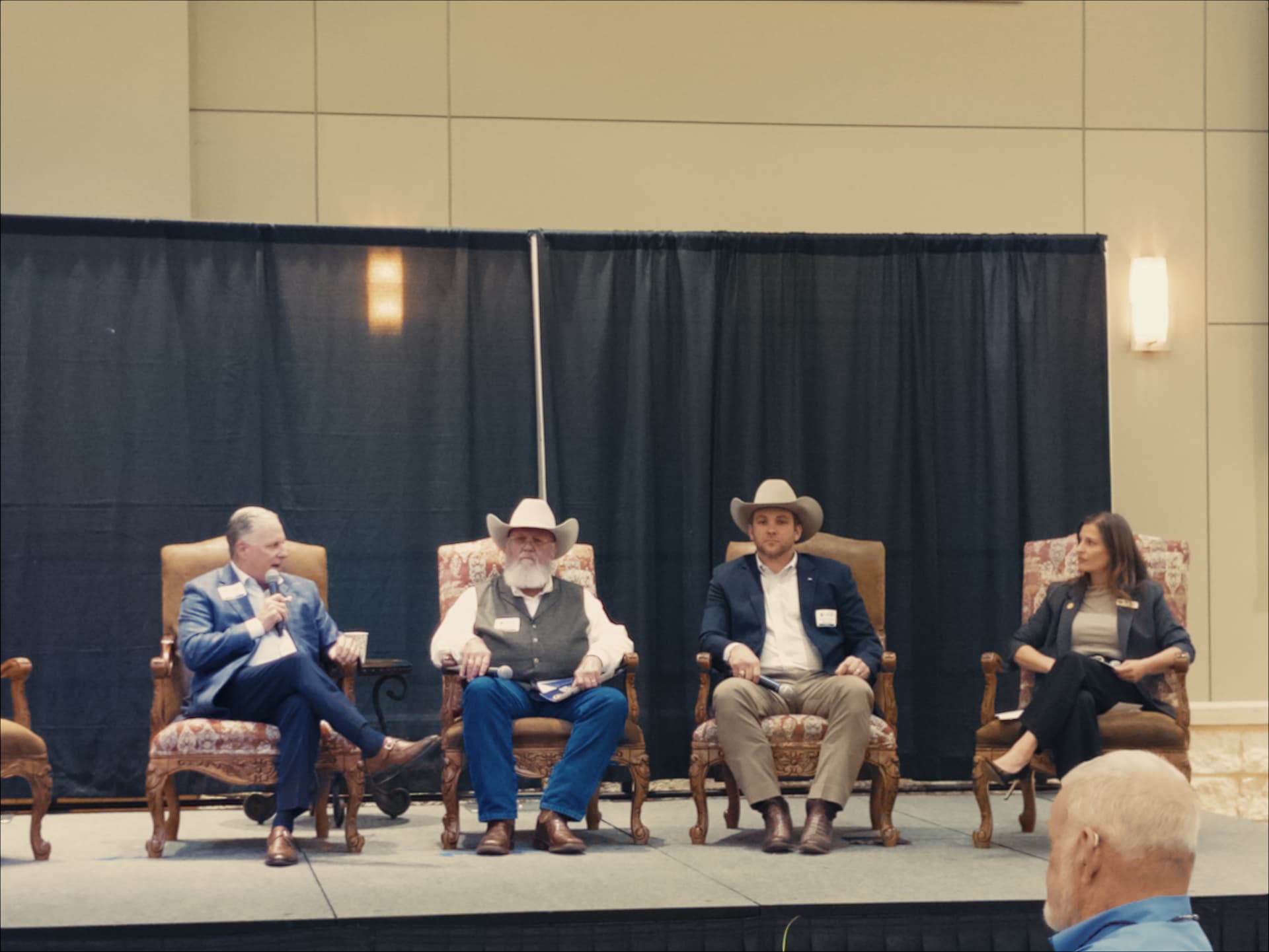
Speaking at a symposium Thursday celebrating 25 years since the creation of the Lone Star Groundwater Conservation District, which oversees the county’s groundwater supplies, the agency’s leaders said data center developers are unlikely to target Montgomery County.
“If they were going to use water in a way that wasn't good, in a way that wasn't conserving, (they) would have a really hard time getting a permit from us,” said Jim Spigener, board president of LSGCD.
Data centers, which have large power and water needs, have become a political flashpoint in communities across Texas. Gov. Greg Abbott in September directed regulators to stop issuing new permits after declaring Texas a year ago “the epicenter of AI development,” which the facilities support.
The county relies mostly on groundwater for its water needs, according to the Texas Water Development Board’s data dashboard.
Given the spread and speed of growth in Montgomery County, Spigener said, a developer wanting to build a data center would be challenged to make it feasible. Spigener pointed to the district’s spacing rules governing new wells that would make it difficult for data centers to win approval.
“Doesn't mean that they can't find a place to do it; doesn't mean that we're trying to keep them from coming,” Spigener said. “It's just you need to come in and have the kind of cooling system that doesn't tax our water system.”
“I think you cannot be too worried about a data center coming in and impacting your water here in Montgomery County,” he added.
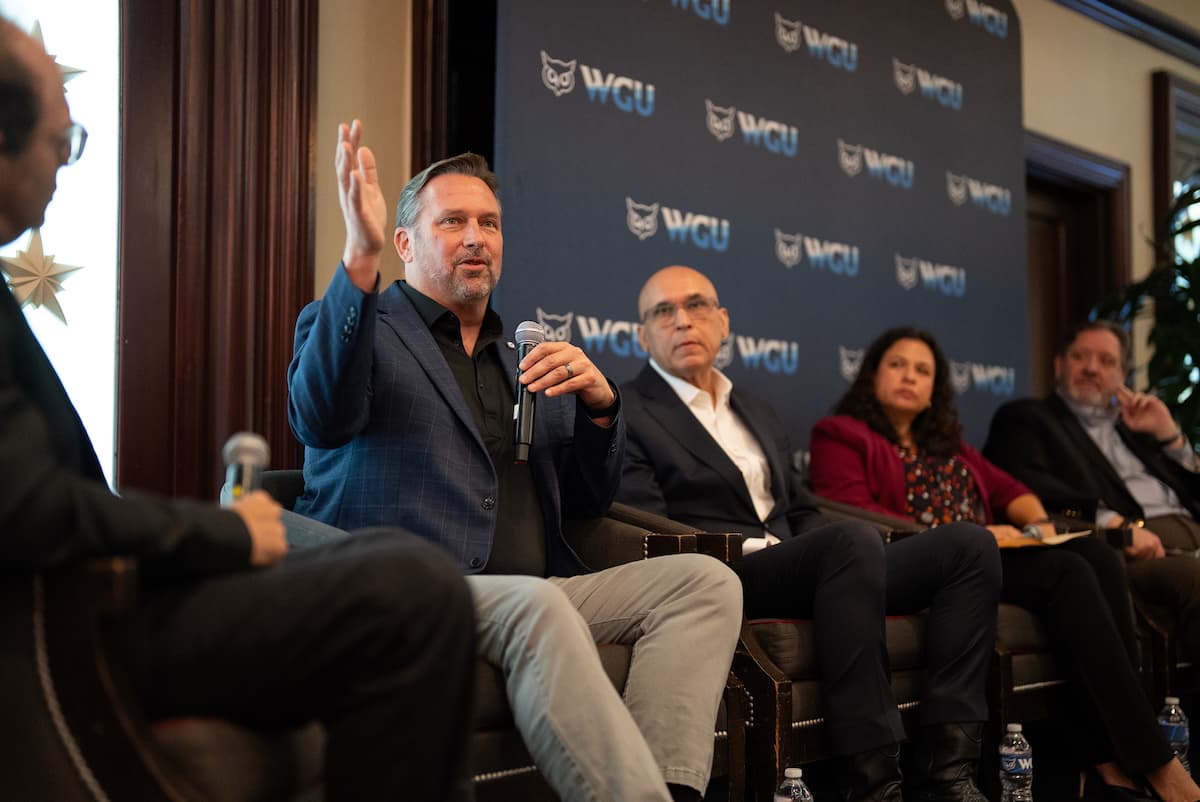
Spigener was speaking at a panel discussing the state of groundwater in Montgomery County. LSGCD General Manager Sarah Kouba echoed Spigener’s sentiments and said strong regulations already in place make Montgomery County “not as attractive to the data centers that would come in and cause any kind of large production damage or impacts.”
“So hopefully that gives you a little bit of comfort today with regard to data centers,” Kouba said.
The outlook
Speaking more broadly, Kouba discussed the county’s efforts to combat subsidence, where land sinks gradually due to the pumping of groundwater. Kouba said the county looks decades into the future to understand how groundwater pumping will affect land movement.
"We've invested in that portion of science (to) kind of see where we're going and make some estimations and where we'll be by 2080," Kouba said.
Montgomery County can’t rely exclusively on groundwater even today, she said. Lake Conroe fills the gap, she said, but discussions must continue on conservation strategies like tightening water restrictions during droughts and rainwater harvesting.
“We have green lawns out here when we're in the middle of a drought,” Kouba said, "and we really need to do better as a county.”
Spigener stressed that the county is not running out of water. The Gulf Coast Aquifer is "probably one of the most prolific aquifers there are, period," he said. However, he did warn that the era of inexpensive water is ending.
“Water is going to get more expensive as time goes on,” Spigener said. “And we just need to know that.”