
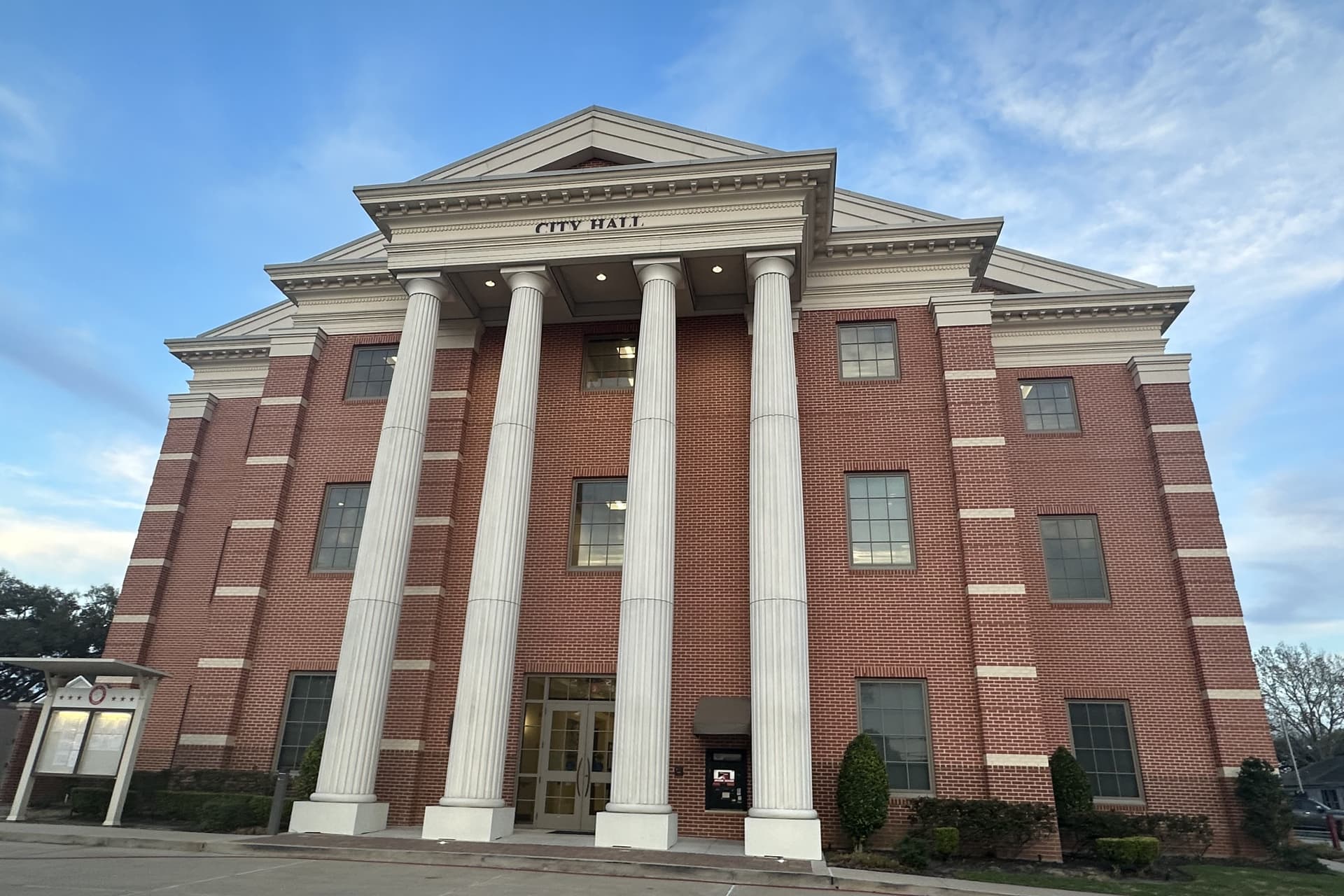
The city of Shenandoah adopted its fiscal year 2014–15 budget on Aug. 27, and established the lowest city property tax rate in at least a decade.
The adopted $0.2404 property tax rate per $100 valuation is a decrease from the $0.2664 tax rate in fiscal year 2013–14. The city has seen annual property tax cuts since at least 2004, with the exception of fiscal years 2008–09 and 2010–11 when the rate remained the same.
With the new rate, an average home in Shenandoah valued at about $304,642 would pay about $732.36 in property taxes, a savings of $79.20 over the previous rate.
The tax drop was made possible by an increase in appraised values, the addition of property, and strong sales tax revenue, Shenandoah Finance Director Jennifer Calvert said.
"The more development you have, the more new property you have," Calvert said. "They help raise our valuations which spreads the [tax obligations] among more people and helps us drop the tax rate."
Shenandoah uses property tax revenue to pay for the city's debt service, and it uses sales tax revenue to subsidize the difference before including it along with the general revenue fund. The city projects about a 6 percent increase in sales tax revenue in fiscal year 2014–15, Calvert said.
"Sales tax really helps with that and it helps us fund these extra projects," she said. "Just because you get an increase in sales tax revenue doesn't mean you just blow up your budget and spend it all. We are [also] striving to have a year's worth of operating reserves in the bank."
For fiscal year 2014–15, the city budgeted about $1.56 million for proposed projects, including infrastructure upgrades, road improvements, purchasing several new trucks for the police department, and Water Plant 4 design funding. The city also has about $4 million of already funded projects from last year, like city park renovations.
Calvert said the city likes to remain proactive with infrastructure maintenance in order to avoid critical expenditures in the future.
"We don't want to put ourselves in a position where it is do or die," Calvert said. "We like to be ahead of the game and not acting out of desperation. A lot of it is just routine maintenance that has to occur on [the city's] infrastructure."