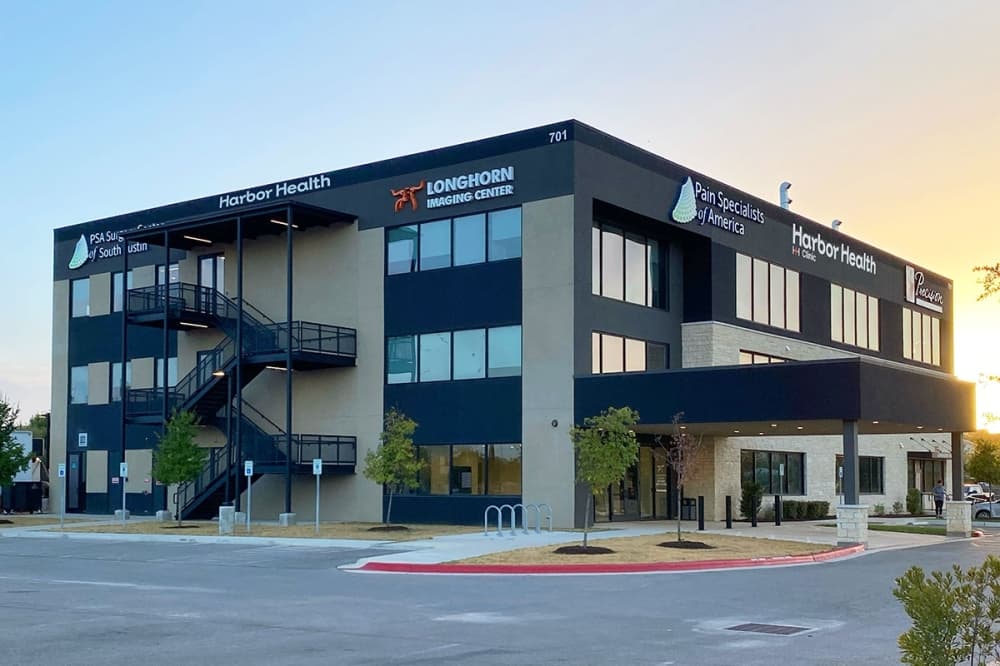
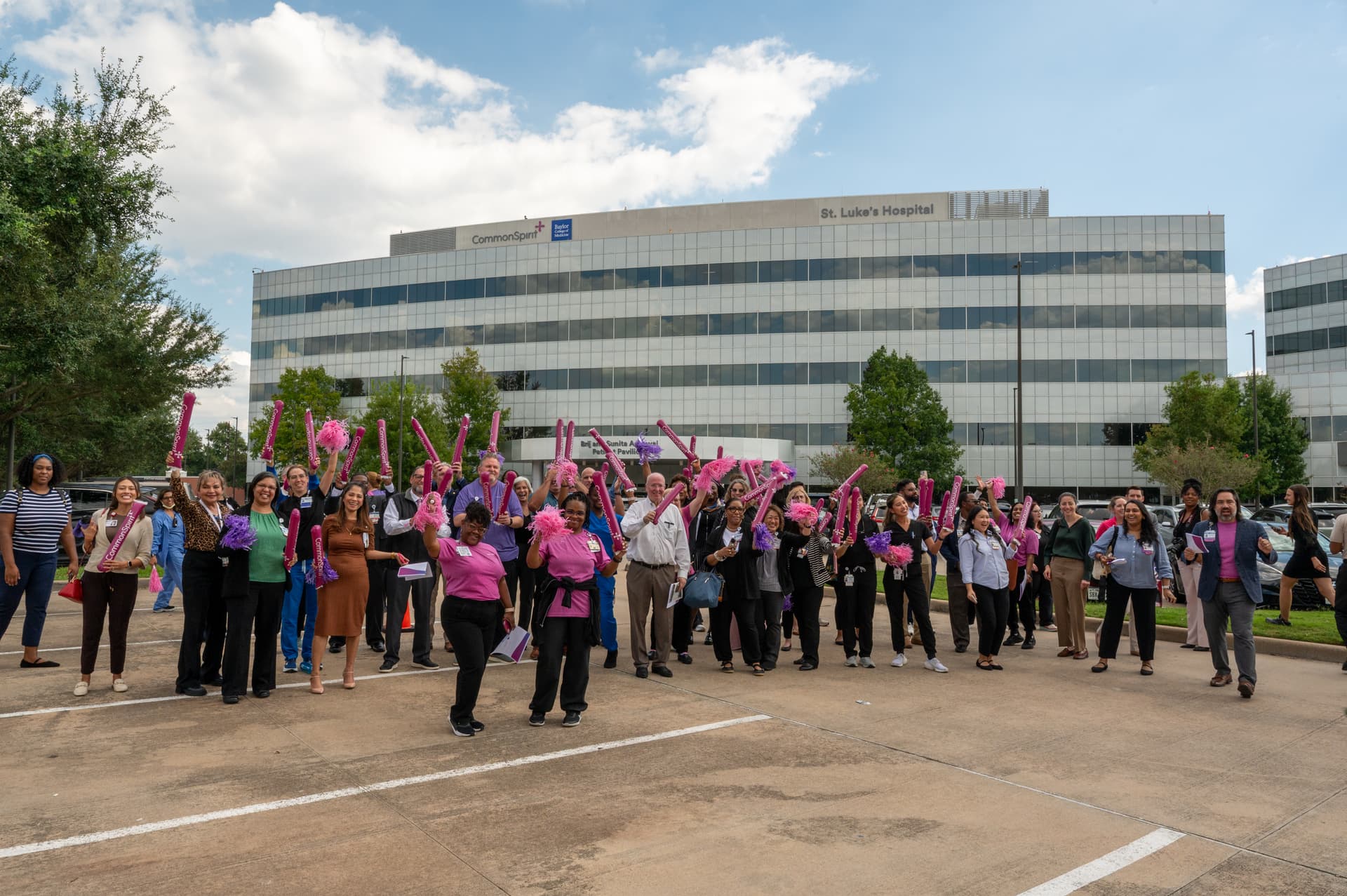
A number of new health care facilities are underway or recently opened in Sugar Land and Missouri City as the area matures.
The big picture
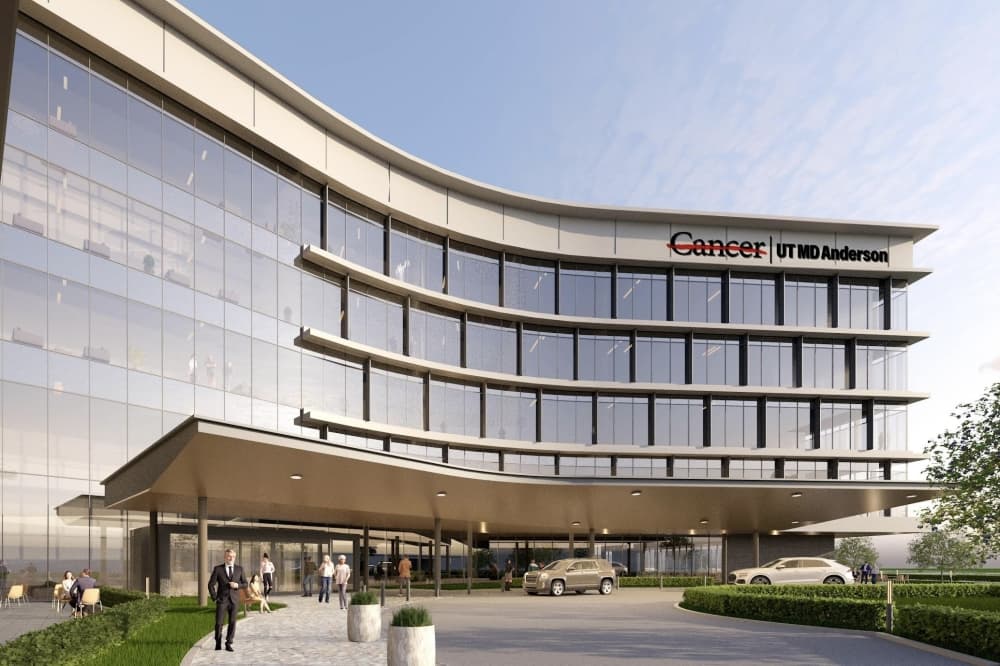
At the center of additions is the University of Texas MD Anderson Cancer Center coming to Sugar Land. The 470,000-square-foot facility, which broke ground last March, will be the company’s largest Houston-area location outside of the Texas Medical Center and will feature expanded services from its leased space at St. Luke’s Health.
An additional MD Anderson facility is set to come to Highway 6 in Missouri City to provide breast diagnostic imaging services.
“This not only will help make our care more convenient for local patients ... but it also will help increase access to care outside of our Texas Medical Center campus, potentially decreasing wait times for both local and regional patients,” said Rosanna Morris, MD Anderson’s senior vice president and chief operating officer.
Missouri City will also see a new 34,000-square-foot Kelsey-Seybold Clinic with space for up to 22 providers for services including primary care, OB/GYN services, on-site imaging and lab services.
Meanwhile, both Houston Methodist Sugar Land Hospital and Memorial Hermann Sugar Land Hospital are undergoing renovations aimed at better meeting the needs of the area’s patients.
Houston Methodist’s $20.7 million emergency department expansion will add five treatment rooms, 11 results pending rooms, 14 observations spaces and an additional CT machine, while Memorial Hermann’s $231 million expansion includes a new north tower with 52 additional patient beds, surgical suites, expanded emergency care and a neonatal intensive care unit.
Additionally, Gulf Coast Blood unveiled a new donor center in Sienna in late May.
Why it matters
The new developments and expansions come as the areas mature with the population beginning to age. In Sugar Land, the population over 65 has grown 119.31%—from 9,658 in 2014 to 21,181 in 2024—according to five-year estimates from the U.S. Census Bureau American Community Survey.
Meanwhile, Missouri City’s 65-plus community has grown 79.18% from 7,283 in 2014 to 13,050 in 2024, data shows.
“It’s a normal trend that more mature cities are going to experience—as communities tend to be mature and their population tends to mature with them,” said Jeronimo Cortina, director of faculty research initiatives for population health at the University of Houston.
What they're saying
Both Sugar Land and Missouri City officials said they were excited to see the continued health care investments in the area as demand grows for accessible services closer to home.
Alba Penate-Johnson, economic development assistant director for the city of Sugar Land, said the city has seen “significant momentum” in health care and life sciences development due to various factors, including the county’s population growth and the city’s redevelopment.
Rather than trying to replicate the Texas Medical Center, Sugar Land’s vision is to become a premier suburban health care and life sciences hub that complements the broader Houston medical ecosystem.
“Ultimately, the city’s goal is to continue building a health care ecosystem that supports residents, attracts talent and investment, and reinforces Sugar Land’s reputation as one of the region’s premier business and health care destinations,” Penate-Johnson said.
Meanwhile, Missouri City City Manager Angel Jones said that beyond just providing health care services, the new facilities can also provide new jobs and help diversify the city’s tax base and economic profile.
“Missouri City is well-positioned for this type of growth because of our location, our diverse and growing population and our commitment to thoughtful development,” Jones said. “We want to continue building a community where families can live, work and access essential services without having to leave the city.”
Zooming out
The additions come as Fort Bend County is undergoing growth and is expected to hit 1 million residents by 2030—and potentially double that by 2050, Community Impact previously reported.
Cortina said the area could begin to see residents from more rural areas, such as Needville, come for health care services instead of traveling to the Texas Medical Center.
Looking ahead
Several projects are set to be delivered later this year or in 2027, with the MD Anderson Sugar Land facility anticipated for 2029.
“Our current expansion project was designed with the future in mind,” Memorial Hermann officials said. “This gives us the flexibility to respond quickly and efficiently to meet our community where they live, work and play.”
Beyond expanding health care opportunities for residents, city officials said the new facilities can help provide surrounding development growth.
“Health care facilities also bring tremendous economic value—they create quality jobs, attract additional investment, and support surrounding businesses and commercial activity,” Jones said.