Missouri City staff is looking to either close or renovate its animal shelter to address run-down conditions.
What you need to know
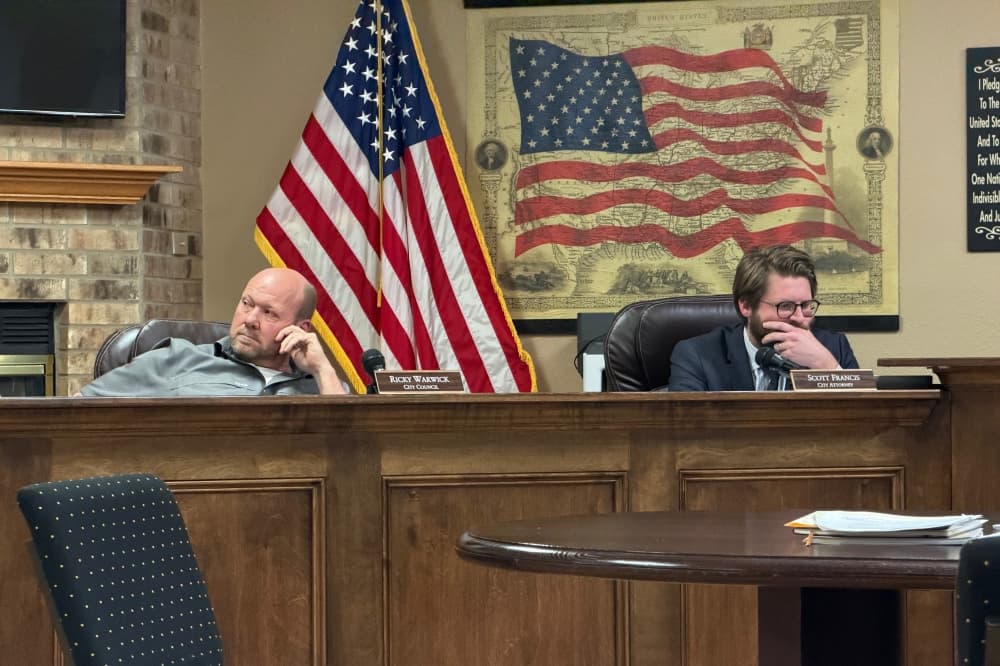
At an Oct. 19 meeting, Missouri City City Council reviewed two options to provide temporary solutions to immediate needs of the shelter including ventilation and flooring issues, Director of Neighborhood Services Jerrell Horace said.
Officials will also consider building a new shelter as a more permanent solution in the near future, Horace said. Mayor Robin J. Elackatt said staff should mainly focus on the long-term solution.
“We have a serious problem and we need to look at long term,” Elackatt said. “Long term would be a bond.”
The options
Both options include partnering with non-city animal service organizations to continue providing services to residents, Horace said. Both are funded through $900,000 approved in the fiscal year 2026-27 budget.
Option A
Through option A, the city would close the shelter and transfer all its current animals to the outsourced animal shelter. Missouri City staff would still respond to calls and pick up animals.
However, the city would lose local control over the animals. After three days, animals become property of the outsourced animal shelter and while the shelter would provide data on its operations, the city would not have jurisdiction over the shelter’s actions, Horace said.
Missouri City residents created a petition, which has over 1,400 signatures at the time of publication, opposing the outsourcing of shelter services, citing the loss of local control as their main concern.
It would cost the city about $1,300 per animal it takes to the outsourced shelter, but city staff does not yet have a number for the cost of housing each animal in the Missouri City Animal Shelter, Horace said. Option A would still reduce building maintenance and overhead costs.
Option B
Option B proposed an at least $215,000 remodel of the current shelter to address HVAC and flooring issues, Horace said. Staff would transport the animals to an outsourced shelter temporarily during the three-to-six-month remodeling process.
The remodeling process would repair or partially replace the HVAC system, which has inconsistent temperatures and ventilation and creates a “musky odor with muggy air,” according to presentation slides.
The remodel would also fill the almost 1.5-inch cracks on the cement floor with epoxy, a type of plastic resin.
However, council member Floyd Emery said option B does not address the main drainage issue, so filling cracks with epoxy would only be like putting a bandaid on the issue.
Looking ahead
City staff expects to hold a community engagement session in November to inform residents on the potential transition, Horace said. After council members choose an option, the city will start the transition phase in early spring of 2027.