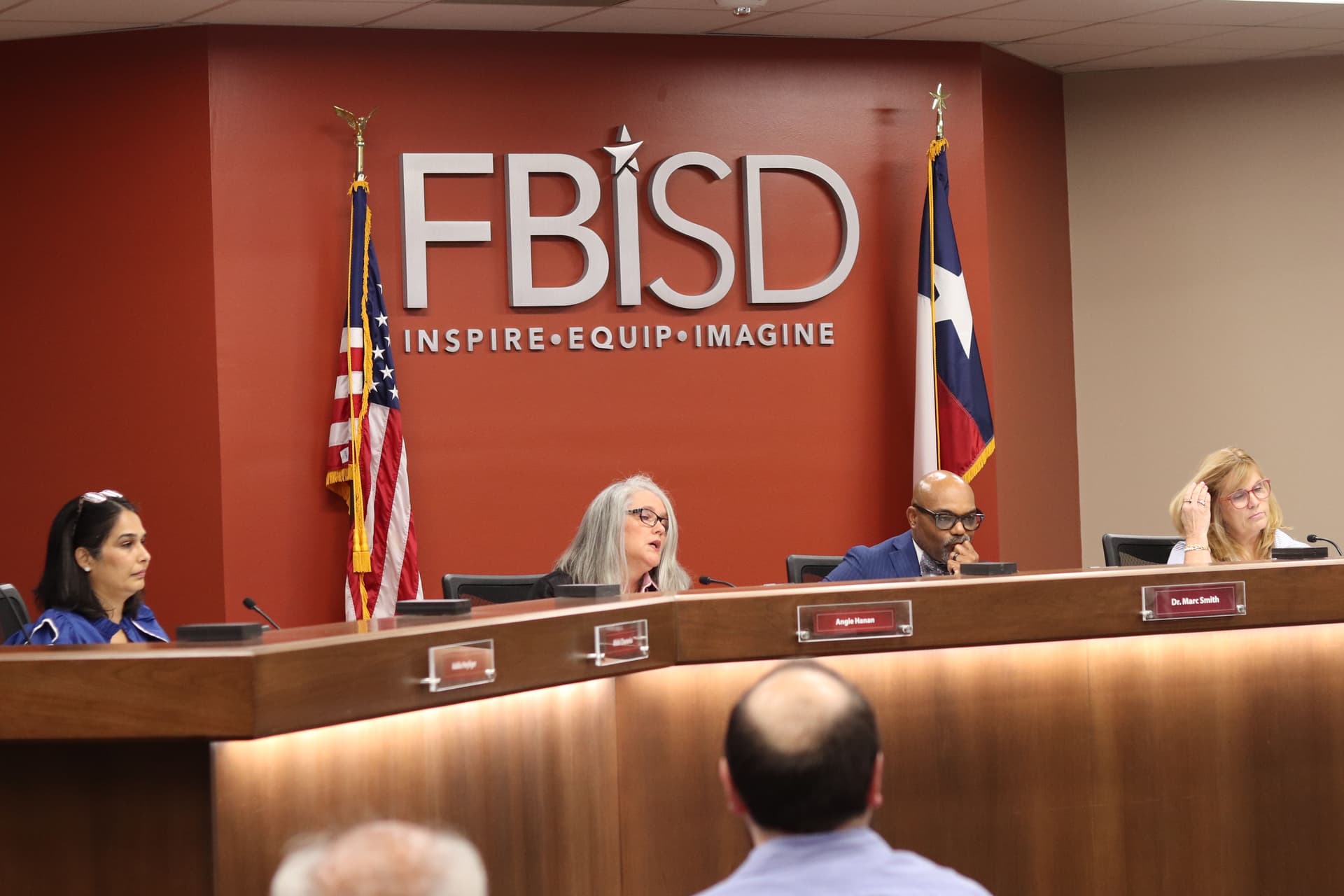
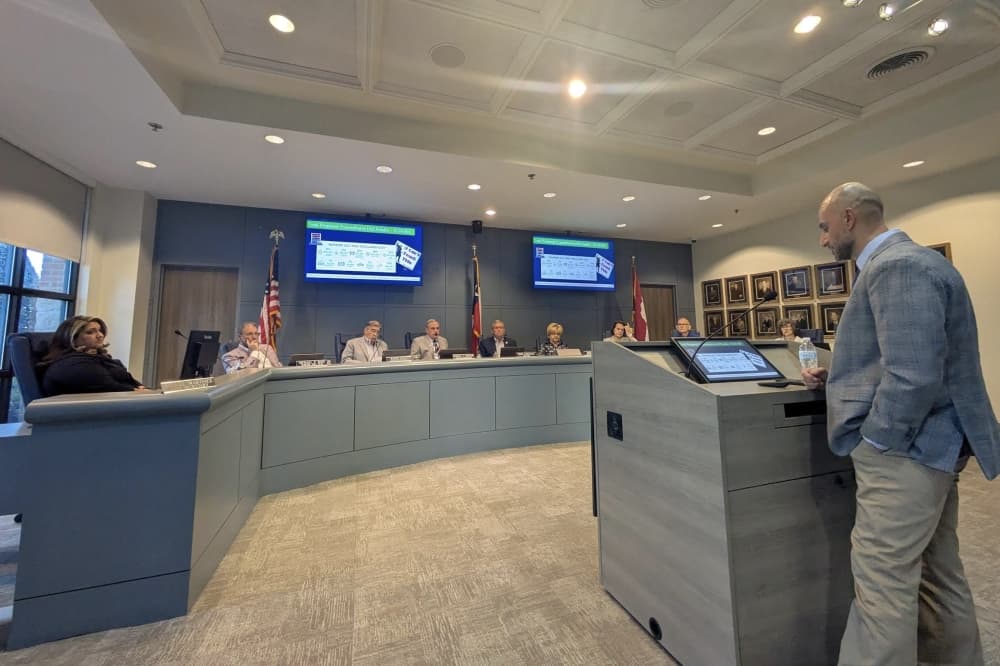
The Fort Bend ISD board of trustees reviewed the district’s Texas Academic Performance Report at a March 30 meeting.
The report, which is filled with data comparing the district to the region and state, breaks down students’ performance on the State of Texas Assessment of Academic Readiness test during the previous three school years due to “lag data,” said Jaretha Jordan, deputy superintendent of teaching and learning for FBISD.
The report also looks at student population, attendance rates and employee numbers.
The overview
Data shows FBISD students outperformed both the state and regional averages across all grades in all subjects, including English language arts, math, science and social studies during the 2024-25 school year, said Melissa Hubbard, assistant superintendent of teaching and learning.
When analyzing student growth from 2024 and 2025 for all grades, FBISD students saw an increase when combining ELA/reading and math together, but ELA/reading decreased by two percentage points in that timespan.
“When we dig deeper into that data, we did notice that we didn’t see the increases in the ECR, the extended constructed response, which plays a big role in the scoring on that reading assessment, and so this year we’ve hit that very hard with teachers and with students,” Hubbard said.
Hubbard said the district has already seen positive changes based on December test scores.
Zooming in
During the 2024-25 school year, FBISD had a diverse student population with Asian students at the highest percentage at 28%, followed closely by African American and Hispanic students at 27.9% and 26.6%, respectively.
This differs from the state, which saw Hispanic students as the largest demographic, followed by white students.
Also of note
Hubbard said attendance rates from 2021-2022 compared to 2023-2024 are roughly the same, and dropout rates have “decreased barely.”
Meanwhile, the four-year graduation rate in 2023 and 2024 was better than the state and region, with the district seeing improvements over those two years as well.
However, FBISD’s college career and military readiness rates were below the state or region for the 2022-2023 and 2023-2024 graduating classes.
This school year, the district has conducted data tracking for each student and organized meetings to help with the discrepancies. Hubbard said 2026 graduates have already exceeded previous school years.
What else?
Meanwhile, Hubbard said the FBISD central administration rate is lower than the state’s because the district has wanted to “hone in on that campus staffing model.”
“We really have taken an approach of a campus-centered hiring,” Hubbard said.