

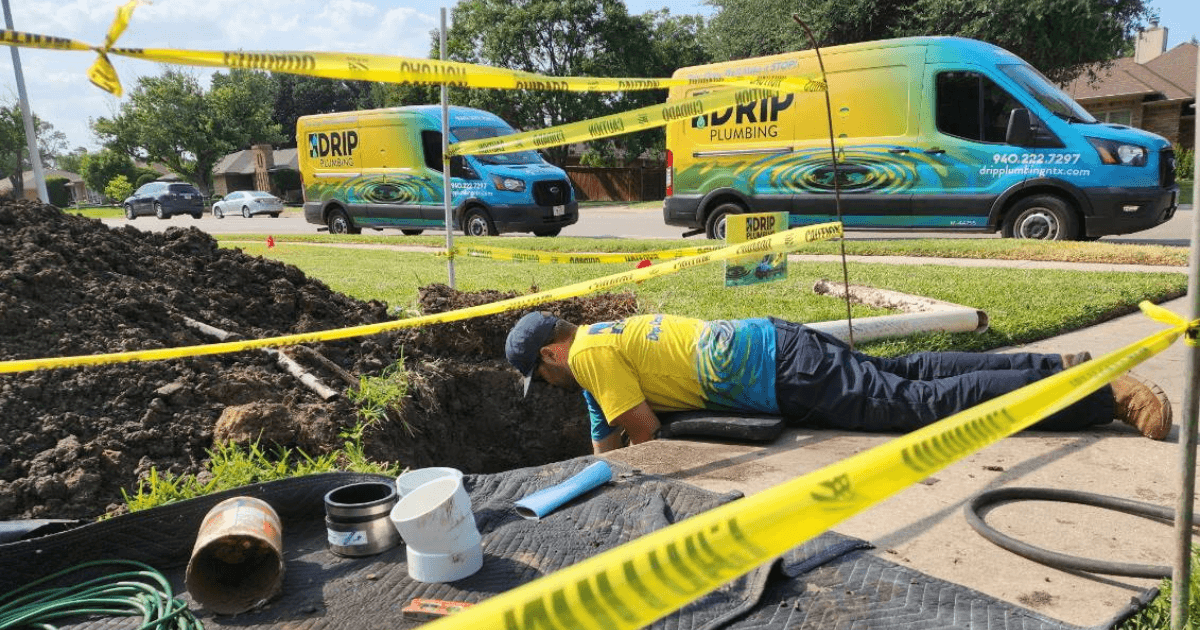
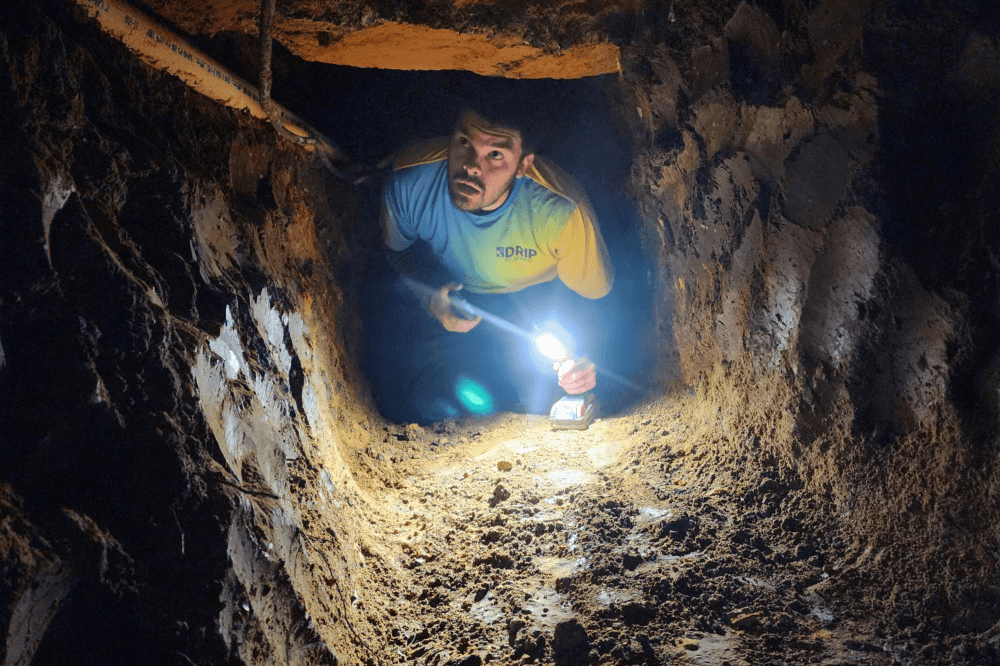

Why are cast iron drain lines becoming a concern for Denton homeowners?
Many older homes in Denton still use their original cast iron drain lines that are reaching, or have exceeded, their 40-year lifespan. Left unchecked, aging drain lines can trigger severe structural shifting and lead to large repair bills.
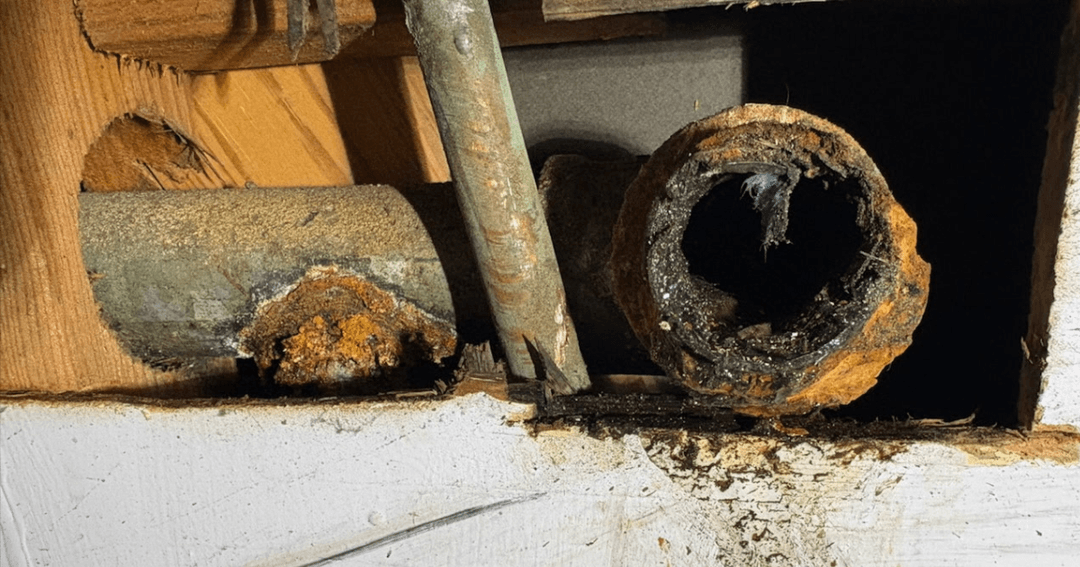
The Responsible Master Plumber for DRIP Plumbing recalled a recent project where a homeowner thought they were dealing with a simple bathtub leak, but the real culprit was a split cast iron pipe hidden inside the wall.
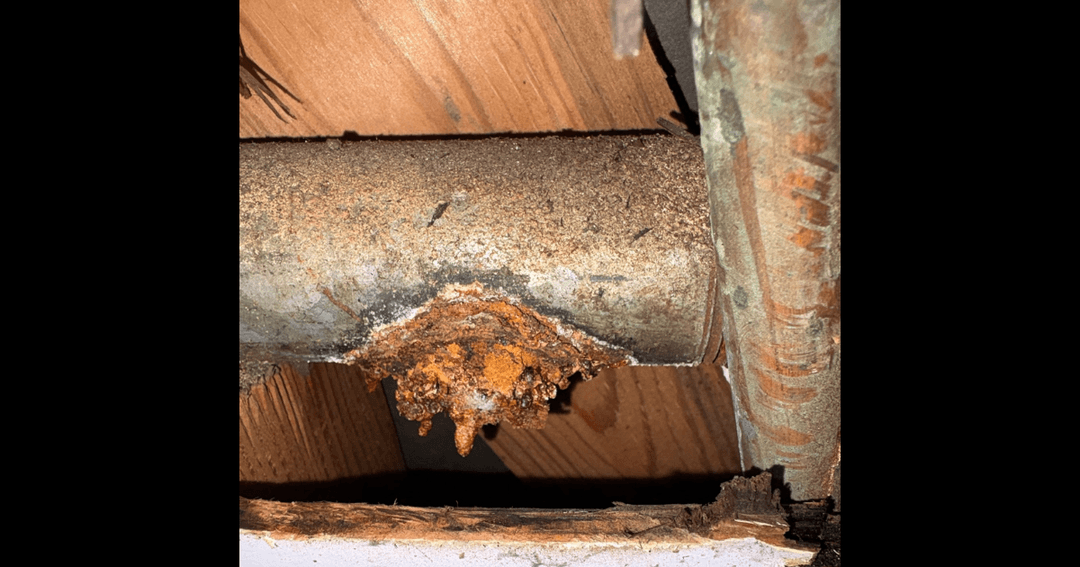
“My technician cut the wall open and found a crack in the cast iron, and that's very common,” he said. “When piping cracks under the house, it starts messing with the home’s foundation. Then the house starts shifting, there are backups, and roaches can get in the cast iron, leading to a roach problem.”
Because of this, the Responsible Master Plumber for DRIP Plumbing urges Denton residents to be aware of what type of piping their home has, and when it was last replaced.
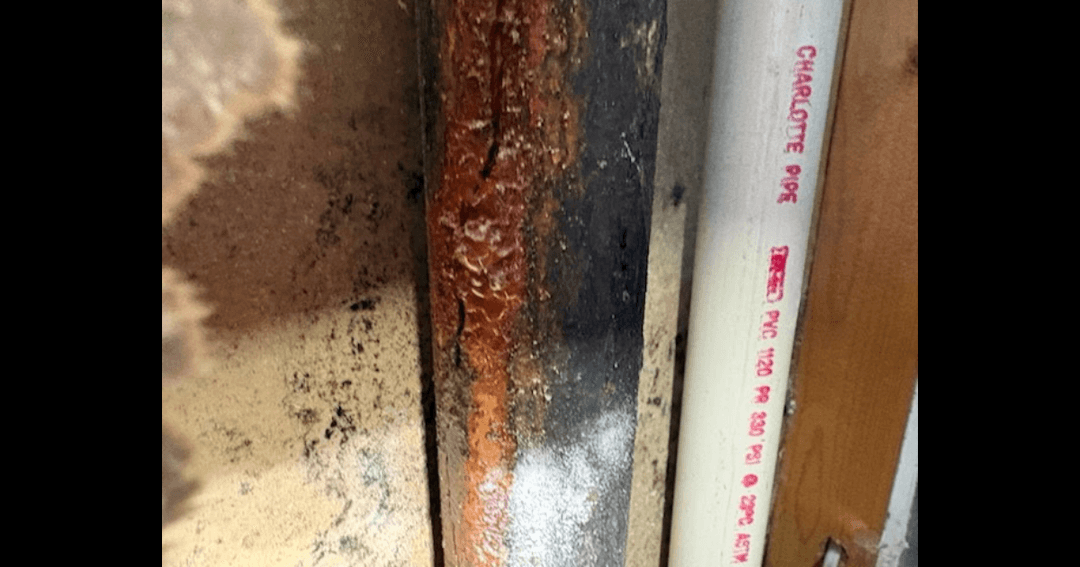
How does replacing cast iron piping with PVC improve a home’s plumbing system?
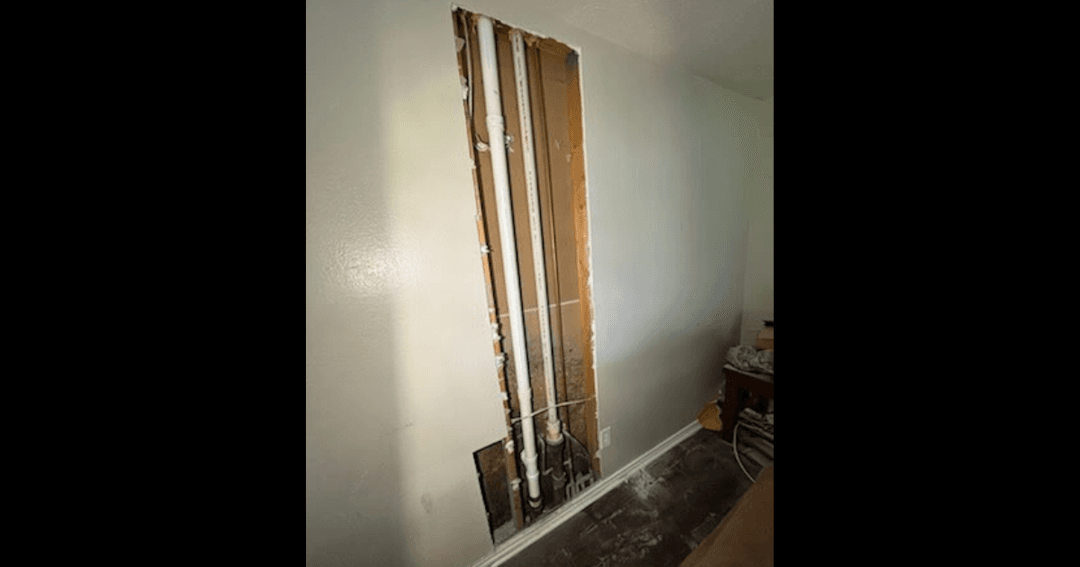
Outdated cast iron piping should be replaced with PVC, a material that has become the industry standard for modern plumbing systems.
The Responsible Master Plumber for DRIP Plumbing explained that cast iron was commonly used before plastic piping became widely available. PVC offers a durable alternative, though homeowners should still be aware of how Texas soil conditions can impact plumbing systems.
“PVC could last 50 years. It’s made of plastic, so it won’t break down, but the glue joints can come apart, [especially] in Texas, where our ground shifts,” he said.
Because soil shifts, underground plumbing systems can experience stress. Many homeowners may have sewer issues without realizing it, which is why inspections and preventative maintenance are important.
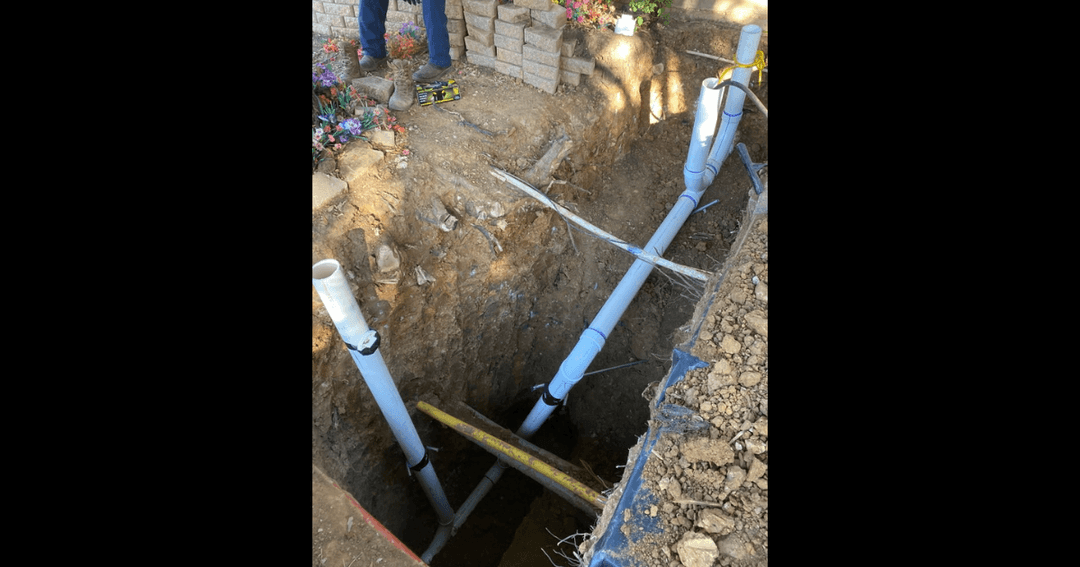
What should homeowners know about clay yard lines?
While cast iron piping is typically found underneath older homes, many Denton-area properties also have clay piping in the yard that connects the home to the city sewer system.
One of the most common problems with clay lines is root intrusion. Tree roots can grow into the pipes, causing blockages and preventing wastewater from properly flowing away from the home.
DRIP Plumbing can inspect these systems using cameras to identify issues inside the pipes and determine whether replacement is needed.
How can homeowners identify plumbing problems before major damage happens?
For realtors and homeowners buying older properties, the Responsible Master Plumber for DRIP Plumbing recommends completing proper inspections during the home-buying process. DRIP Plumbing performs static tests, which allow technicians to evaluate whether underground drain lines are holding water properly.
A static test does not add pressure to the pipes. Instead, technicians use gravity to determine whether there is a leak or failure in the system. During the inspection process, technicians can use cameras to identify cracks, root intrusion and other concerns that may not be visible from the surface.
What does the replacement process look like for homeowners?
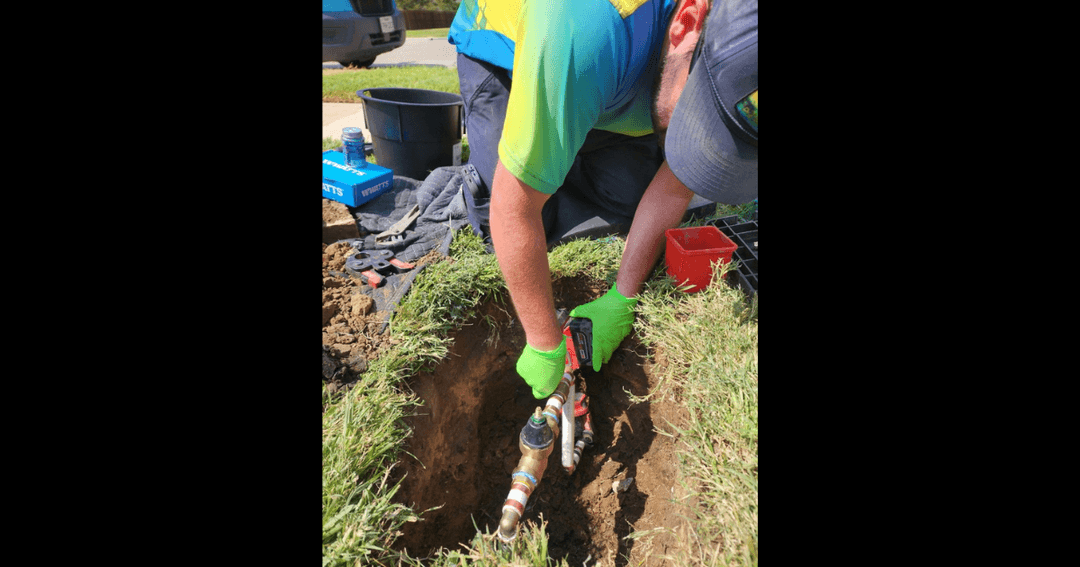
Replacing drain lines depends on the home’s foundation type. For slab foundation homes, the process can involve tunneling underneath the house to access and replace the piping. Pier and beam homes require a different approach, where technicians work underneath the structure, requiring minimal tunneling.
The Responsible Master Plumber for DRIP Plumbing said a full-home replacement typically takes about a week, including city inspections. Yard line replacements are often completed within three to four days, since most are no longer than 50 feet long.
Why should homeowners consider replacing aging pipes before problems appear?
While replacing underground plumbing can feel overwhelming, addressing problems early can help homeowners avoid more extensive repairs later.
The Responsible Master Plumber for DRIP Plumbing said that waiting until pipes fail can lead to water damage, foundation issues and additional repairs involving flooring, drywall, doors and other parts of the home.
Those interested in learning more or scheduling an inspection can find resources here:
Website: www.dripplumbingntx.com
Phone number: 940-222-7297
Service areas: Aubrey, Denton, Little Elm, Argyle, Corinth, Frisco, Lantana, Highland Village, Lewisville, Flower Mound, Southlake, Keller
Address: 310 Dallas Dr., Denton
Hours: Mon.-Fri., 7 a.m.-8p.m.
License number: 44755
A quick recap FAQ
What is the lifespan of cast iron drain piping?
Cast iron piping commonly reaches the end of its lifespan after about 40 years.
How long can PVC piping last?
PVC piping is expected to last around 50 years, though soil movement and joint issues can impact its performance.
What problems can damaged cast iron pipes cause?
Cracks in cast iron pipes can lead to leaks, backups, moisture issues, roaches and potential foundation problems.
What issues can arise from having clay yard lines?
Root intrusion is one of the most common issues, as roots can grow into clay pipes and create blockages.
How can homeowners check their existing drain lines?
DRIP Plumbing can perform inspections using methods such as static testing and camera scoping to identify potential issues.
The above story was produced by Senior Multi-Platform Journalist Sydney Heller with Community Impact's Storytelling team with information solely provided by the local business as part of their "sponsored content" purchase through our advertising team.