
New Braunfels Utilities is planning decades ahead to meet the city’s growing water needs.
Through a diversified water portfolio, long-term infrastructure investments and a collaborative program known as One Water New Braunfels, they are working to ensure the community has a dependable water supply while also encouraging conservation.
Thanks to decades of planning and ongoing investments, NBU's water resources strategy indicates a reliable water supply for the next 50 years and beyond. One Water program manager Robin Gary said conservation efforts increase efficiency and innovative design, and can extend those resources even further while balancing the needs of residents, the local economy, and the environment.
“The first step is securing the right to water, then the second step is building the infrastructure to deliver it by the time it is anticipated to be needed, timing investments to limit the impact on rates,” Gary said.
Why does New Braunfels rely on multiple water sources?
Access to multiple water sources protects the community from drought, changing conditions and future growth.
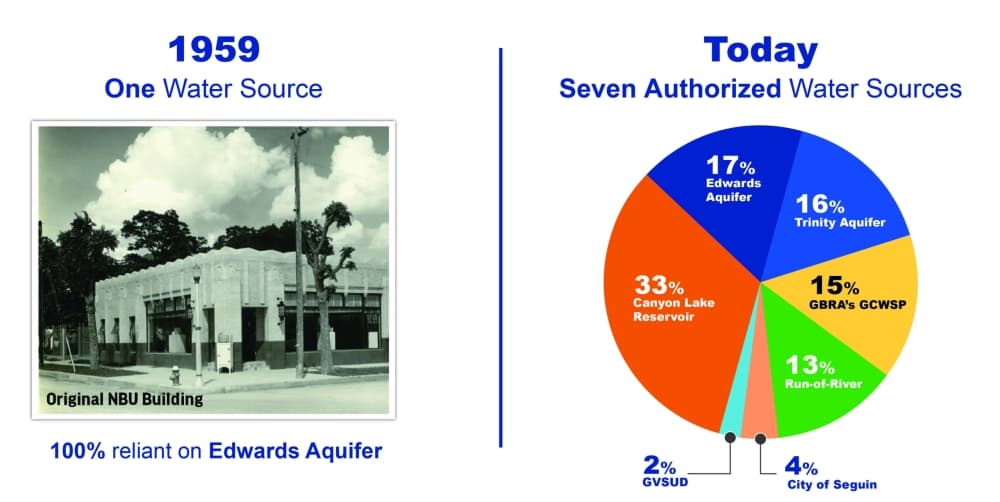
NBU's water portfolio includes authorization contracts for seven water sources, including:
- Edwards Aquifer
- Trinity Aquifer
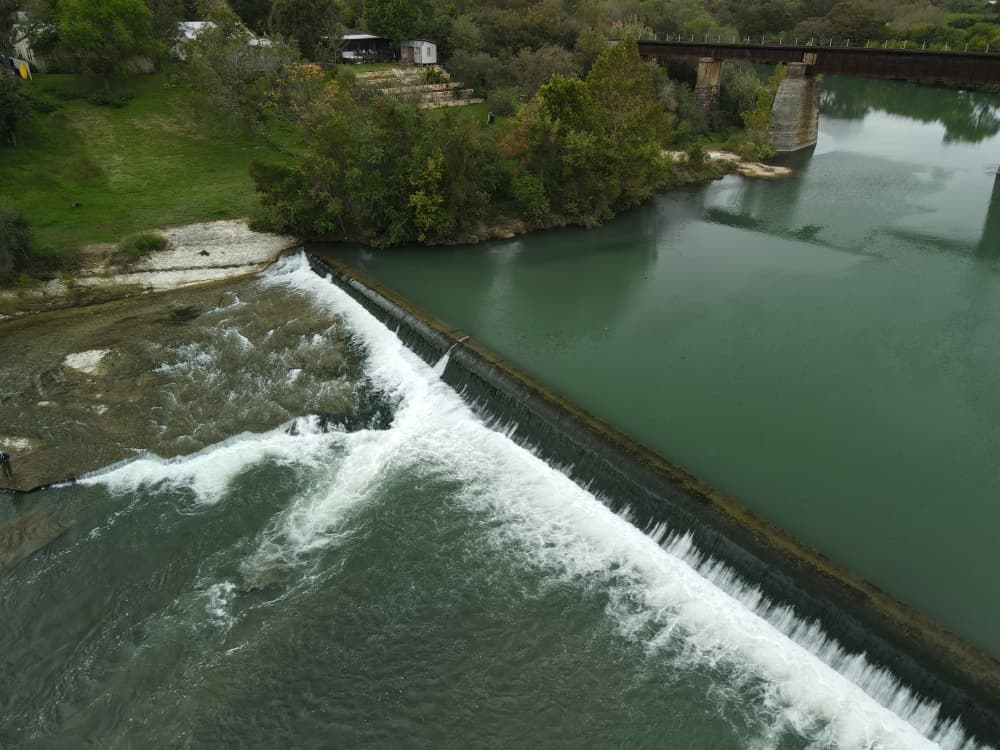
- Surface water from the Guadalupe River and Canyon Reservoir
- Gonzalez-Carrizo Water Supply Project
- City of Seguin Water Agreement
- Green Valley Special Utility District
The utility's diversified approach was shaped by lessons learned during the historic drought of the 1950s, when flows from Comal Springs stopped.
"We learned that relying on a single water source creates unnecessary risk, especially when you're providing water to thousands of people," Gary said.
Since then, NBU has steadily expanded its portfolio to lessen reliance on any single source.
How is NBU planning for future growth?
The foundation of NBU's long-term planning is its Water Resources Plan, which is overhauled every five years and updated annually. The plan evaluates current and future water needs and supply, infrastructure investment options and environmental impacts.
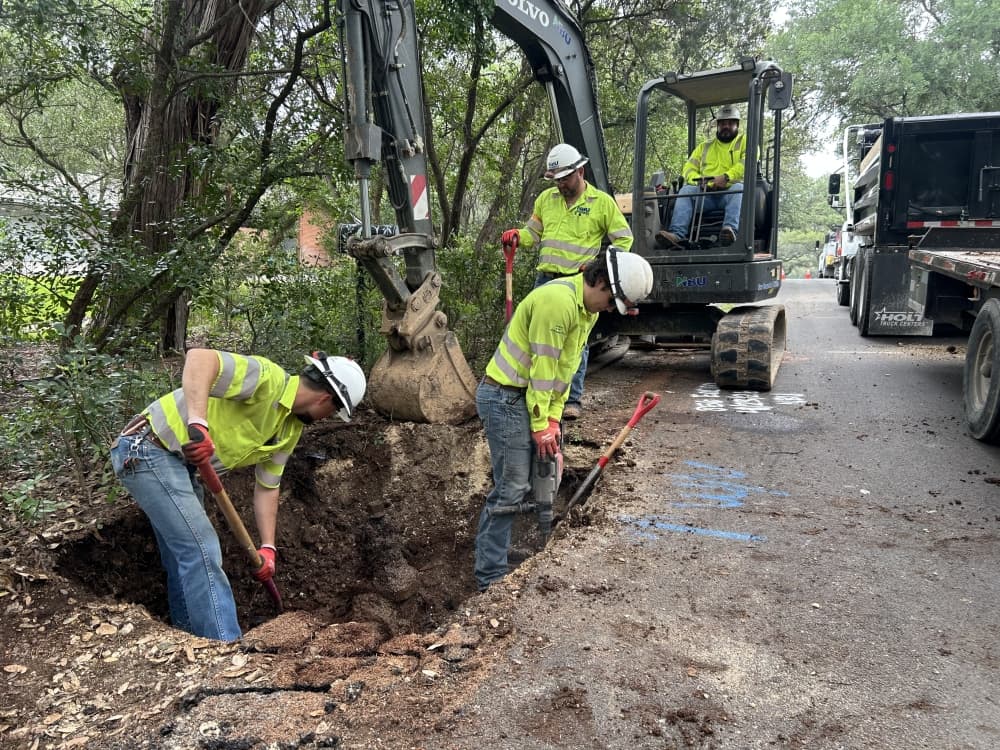
Several major infrastructure projects are currently underway or planned to expand capacity:
- Gonzalez-Carrizo Water Supply Project (2024): Brought Carrizo Aquifer water online through a regional partnership using a cost-sharing model, so New Braunfels citizens do not bear the entire infrastructure financial burden alone; an approach described as “rideshare, but for water.”
- Trinity Aquifer Well Field Expansion (2026): This system’s expansion, first introduced in 2014 to diversify NBU’s water supply, is planned to be completed this summer. The project adds new wells and expands a low-pressure membrane treatment facility. Advanced treatment is required because the slow-moving groundwater absorbs extra minerals.
- Surface Water Treatment Plant Expansion (2029): This reliable plant on the Guadalupe River began operations in the ‘90s. Its next major expansion is set for 2029.
These projects leverage NBU's authorized, permitted supplies to enhance flexibility and reliability, and expand capacity throughout the system.
What is One Water New Braunfels?
The One Water program recognizes that whether water comes from a river, aquifer, rainfall or a treatment facility, it's part of the same shared resource that sustains the community.
While infrastructure is critical in water planning, Gary said the community's long-term success also depends on collaboration.
“Water is a shared resource, and we all have a responsibility to conserve it and protect the sources that sustain our community,” Gary said.
One Water New Braunfels is a partnership between NBU, the City of New Braunfels and the Guadalupe-Blanco River Authority. The initiative unites over 15 departments and 45 staff members to coordinate regional water management efforts.
Gary described One Water as both a mindset and a strategy.
"One Water is a way of thinking that's scalable, from residents to businesses to utilities to river authorities, on how we're managing our water so we can better protect our future and our quality of life," Gary said.
The program seeks solutions that benefit the community, local economy and environment. Efforts include strategic plans, conservation programs, educational initiatives and innovative infrastructure projects.
What does One Water look like in action?
One example is Headwaters at the Comal, a former NBU fleet and facilities site that has been transformed into a community-focused, educational and environmental space.
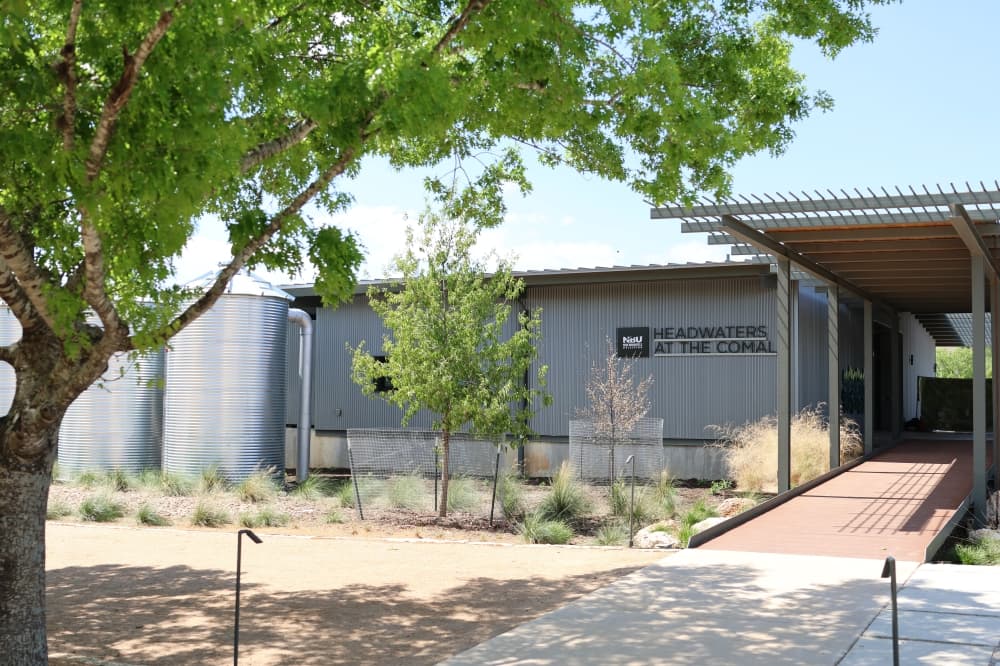
The site features native landscaping, green stormwater infrastructure, a blackwater recycling system, rainwater harvesting systems and innovative water reuse technologies. It also serves as a place for residents to learn about conservation and sustainable water management.
The facility shows how to manage water more efficiently while protecting local waterways and resources.
How can residents help conserve water?
Although NBU's decades of planning indicate a reliable supply for 50 years and beyond, officials emphasized that smart consumption can extend that timeline even further.
Gary shared several practical conservation tips for residents:
- Incorporate native plants: Native Texas Hill Country plants feature four- to eight-foot deep roots, allowing them to survive and bloom during intense droughts, while attracting native wildlife.
- Let lawns go dormant in July: As summer peaks, residents do not need to overwater to keep grass green. It is healthy to allow lawns to enter their natural dormant cycle.
- Use rain barrels smartly: Rain barrels supply ideal water for plants while reducing stormwater flows and local soil erosion. Residents just need to remember to use the water, so the barrels can capture the next rainfall.
To support these actions, NBU offers Community Programs, educational classes and financial rebates for customers who participate in sod removal, irrigation system removal or planting native trees.
By pairing NBU's actions with these conservation opportunities, the community can actively protect its shared water future and quality of life for generations to come.
"I'm incredibly proud to represent an organization that has spent years planning for our community's water future," Gary said. "That long-term commitment is what makes this work possible."
Click here to learn more about NBU today.
The above story was produced by Senior Multi-Platform Journalist Sydney Heller with Community Impact's Storytelling team with information solely provided by the local business as part of their "sponsored content" purchase through our advertising team.